
Mobile Toilet Ceiling Light Configuration
The configuration of ceiling lights for mobile toilets requires comprehensive design from five aspects: light fixture selection, layout planning, power matching, power supply configuration, and intelligent control, as detailed below:
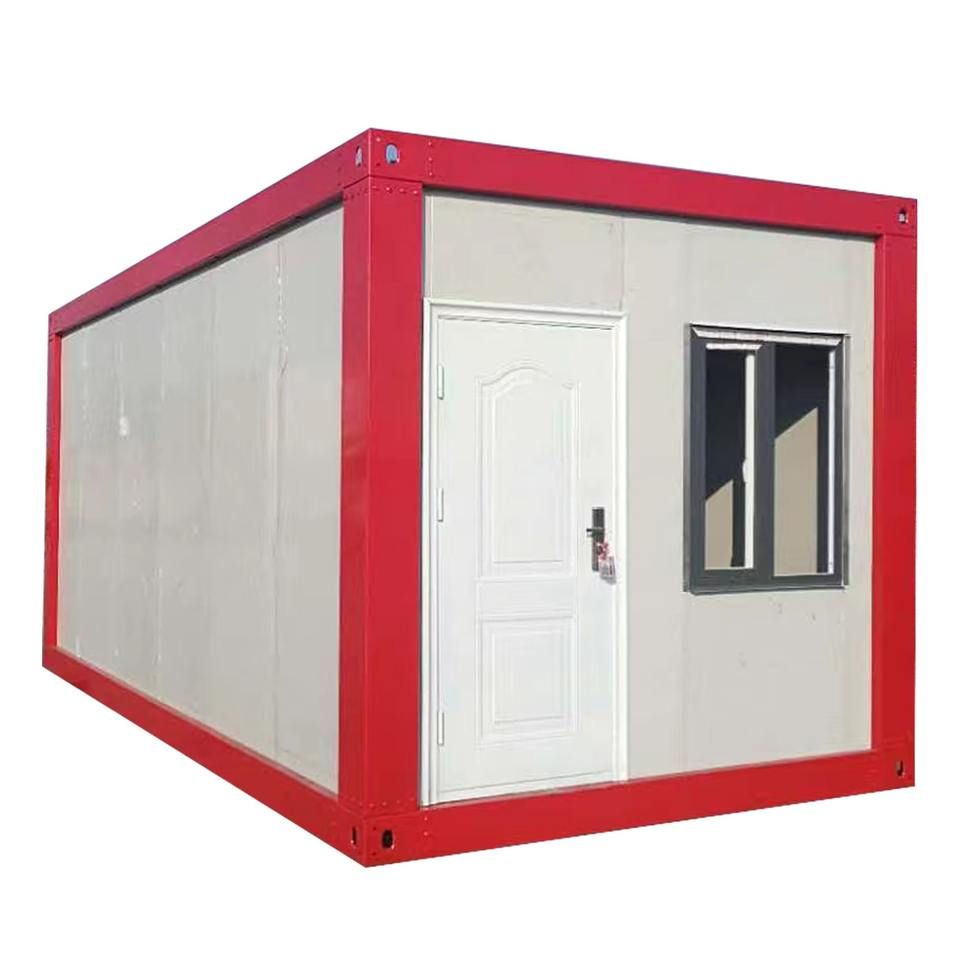
1. Light Fixture Selection: Prioritize LED Lights
LED lights offer advantages such as energy efficiency, high brightness, and long lifespan, making them the preferred choice for mobile toilet lighting. In wet areas like urinal zones and handwashing areas, flat-panel LED lights with excellent waterproof and moisture-proof performance should be selected to ensure stable operation in environments with prolonged exposure to moisture, preventing short circuits or damage caused by dampness.
2. Layout Planning: Ensure Uniform Light Coverage
Lighting layout should be adjusted based on the area and shape of the mobile toilet, determining the quantity and positioning of light fixtures. Fixtures should be evenly distributed across the toilet ceiling to avoid lighting dead zones. For example, larger toilets require more fixtures, and a vanity mirror light can be installed separately above the handwashing sink for user convenience in grooming. If the toilet has partitions or special structures, additional fixtures should be installed at the top of partitions or corners to ensure light penetration.
3. Power Selection: Match Space Area and Ceiling Height
- Small Bathrooms (4-8 square meters): It is recommended to choose 8-10 watt LED ceiling lights to meet basic lighting needs, avoiding excessive brightness or energy waste due to high power.
- Bathrooms (8-15 square meters): If the ceiling height does not exceed 3 meters, 10-15 watt fixtures can cover the entire space; if the ceiling height exceeds 3 meters or the area approaches the upper limit, 15 watt fixtures should be selected to enhance light penetration.
- Bathrooms Over 15 Square Meters: Consider a combination of 60-150 watt fixtures (such as ceiling lights + downlights + wall lights) or supplementary light sources (such as vanity mirror lights). Using only a single ceiling light may result in dim corners due to insufficient power, necessitating optimization based on the actual layout.
4. Power Supply Configuration: Flexibly Adapt to Power Supply Conditions
- Mains Power Connection: If the mobile toilet is near a power outlet, it can be directly connected to the mains power, which is cost-effective and convenient.
- Solar Power Supply: For remote areas or scenarios where mains power is unavailable, a solar panel + battery combination can be used. During the day, the solar panel converts light energy into electrical energy and stores it; at night, the battery supplies power to the lighting system, achieving green energy efficiency.
5. Intelligent Control: Enhance Energy Efficiency and Convenience
An intelligent motion sensor switch can be installed to detect human activity through infrared or microwave sensors, realizing "lights on when someone arrives, lights off when someone leaves." This function not only effectively saves energy but also prevents electricity waste caused by forgetting to turn off the lights, enhancing the intelligent management level of the mobile toilet.



