
Mobile Toilet Booth Construction
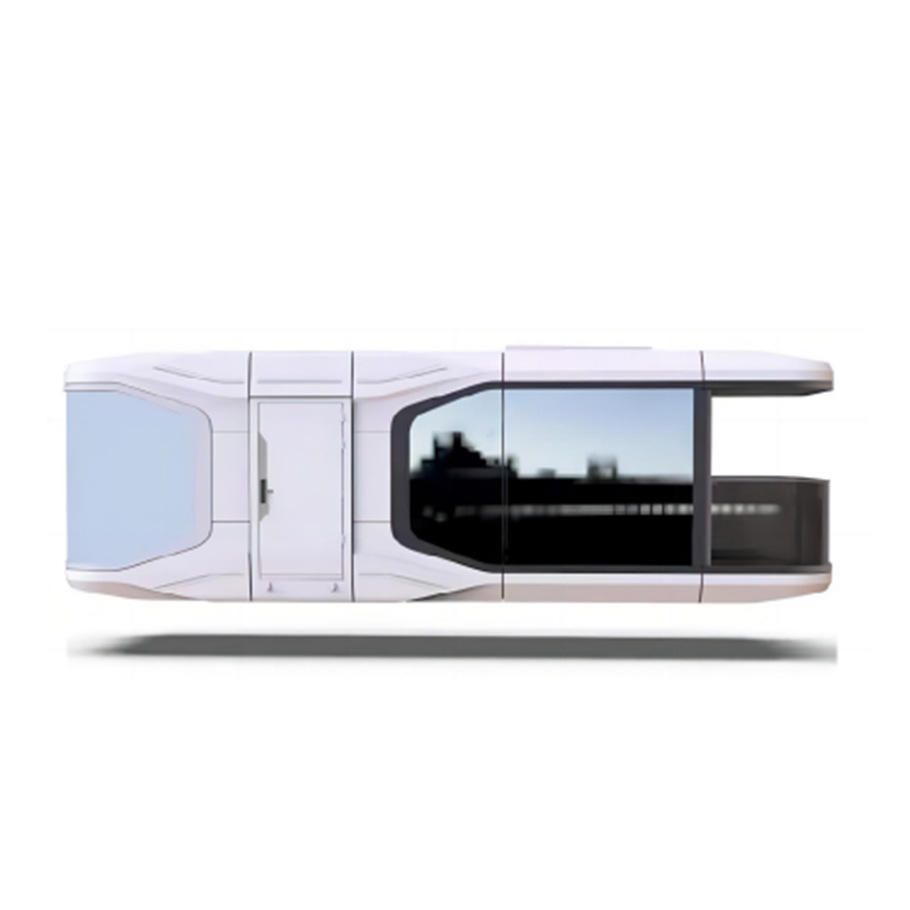
The construction of mobile toilet booths should follow standardized procedures, with core steps including tool preparation, basic installation, and detail handling, as detailed below:
I. Tool Preparation for Installation
Before construction, ensure all tools are complete to avoid interruptions that could affect structural stability. Essential tools include an electric drill, a 4.2-millimeter drill bit, and a rivet gun. The electric drill is used to create holes at the joints of the panels; the 4.2-millimeter drill bit must match the rivet specifications to ensure the hole diameter aligns with the rivet diameter. The rivet gun is used to secure the rivets, and it is necessary to check the equipment's air pressure or manual operation flexibility in advance to prevent rivet jamming or insufficient fixation.
II. Basic Installation Process
Corner Installation
Install the corner components of the booth or toilet sequentially at the predetermined positions, ensuring that the corners are perpendicular to the ground or foundation frame to avoid tilting during subsequent assembly. The corners are typically made of metal, and a spirit level can be used during installation to assist in calibration and reduce errors.Panel Assembly and Alignment
Insert the prefabricated panels into the corner slots. During assembly, ensure that the upper and lower panels are aligned and that the gaps are uniform. For multi-layer structures (such as insulation layers and exterior cladding), install each layer separately and align them layer by layer. During assembly, gently tap the edges of the panels with a wooden mallet to help the slots fully engage, preventing local suspension that could lead to structural loosening.Drilling and Rivet Fixation
After aligning the panels, use an electric drill to create holes at the joints. The recommended hole spacing is 10-15 centimeters, which can be adjusted according to the panel material and load-bearing requirements. After drilling, insert the rivets and secure them with a rivet gun. The rivets must be fully expanded to ensure a tight connection between the panels and the corners, preventing structural wobbling due to loose rivets.
III. Product Features and Scene Adaptation
Mobile toilet booths are typically made of insulating materials (such as polyurethane sandwich panels) and can withstand extreme temperatures ranging from -20°C to 50°C, minimizing internal temperature fluctuations. If used in scenic spots or construction sites, the appearance can be customized (such as wood-grain or camouflage finishes) or the specifications adjusted (such as adding dedicated access for disabled individuals or expanding the interior space). Some manufacturers (such as Fuzhou Yinglong Metal Technology Co., Ltd.) offer integrated services covering research and development, production, and construction, which can shorten the construction period and reduce communication costs.
Precautions: Before construction, check the ground levelness to avoid booth tilting due to an uneven foundation. If used outdoors, install moisture-proof pads or drainage channels at the bottom to prevent rain erosion.



