
Mobile Toilet Becomes Live Broadcast
The phenomenon that the toilet process in mobile toilets resembles a 'live broadcast' due to transparent windows does exist and has raised public concerns about privacy protection.
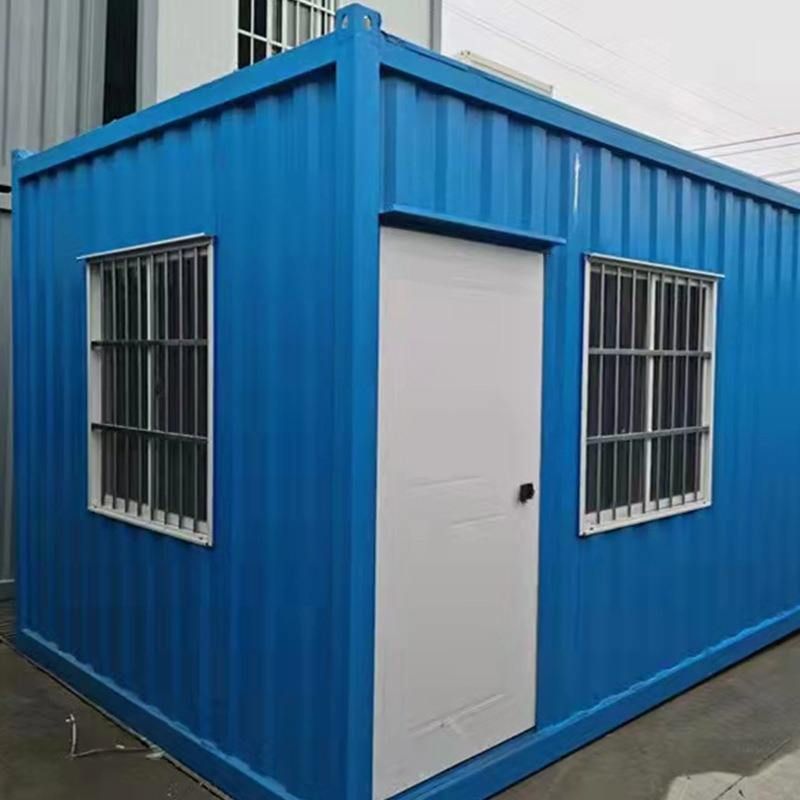
Phenomenon Description
Some citizens have reported that certain mobile toilets have design flaws, with the upper part of the windows being made of transparent material without any遮挡 (obstruction, here we use 'obstruction' to convey the meaning of '遮挡' in a more natural English way, but a more common and accurate term in this context could be 'covering' or 'shielding', we'll use 'shielding' for better expression). This makes it easy for people outside to see actions such as pulling up pants and tidying clothes while using the toilet. For example, on February 5th, a woman in Henan captured an embarrassing scene where citizens using a mobile toilet were essentially on a 'live broadcast'. At that time, there were many people waiting outside the toilet, further exacerbating the embarrassment and the risk of privacy leakage.
Privacy Impact
The design of transparent windows seriously infringes on the privacy of users. In public places, people expect to have a relatively private space for personal activities such as using the toilet. However, transparent windows expose users' behaviors, not only making users feel embarrassed and uncomfortable but also potentially causing psychological stress and anxiety. In the long run, this may affect the public's trust in and willingness to use public facilities such as mobile toilets.
Improvement Suggestions
In response to this issue, relevant departments should attach great importance and take effective measures to make improvements. First, they can conduct a survey of existing mobile toilets and install curtains or other shielding objects in toilets with transparent windows and no shielding to ensure the privacy of users is protected. Second, during the future design and procurement of mobile toilets, privacy protection factors should be fully considered, avoiding the use of transparent materials or ensuring that windows have appropriate shielding measures. In addition, through publicity and education, the public's awareness of privacy protection can be raised, and people can be encouraged to pay attention to protecting their own privacy when using public facilities.
In conclusion, as public facilities, the design of mobile toilets should fully take into account the privacy needs of users. Relevant departments should actively take measures to ensure that the privacy protection function of mobile toilets is effectively implemented.



