
Integrated Mobile Toilet and Bathroom
The integrated mobile toilet and bathroom is a modern sanitation facility that combines multiple functions, capable of meeting needs such as using the toilet and taking a shower simultaneously, suitable for various scenarios.
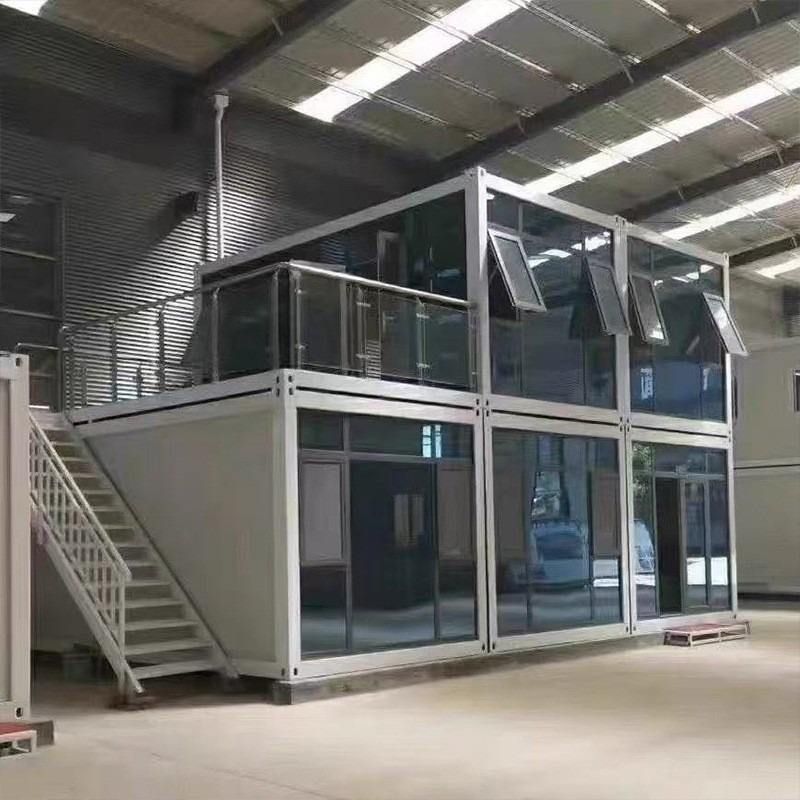
I. Functional Integration and Facility Configuration
The integrated mobile toilet and bathroom achieves a high degree of functional integration through modular design. Its interior is typically equipped with facilities such as squat toilets, showers, sinks, makeup mirrors, bathroom heaters, and water heaters. Some high-end models even support simultaneous use by two people, meeting the needs of multiple users. The water and electrical systems are pre-installed, allowing users to use them directly without additional installation, greatly enhancing convenience. For example, the application of metal carved panel materials and square steel keel welding technology not only enhances structural strength but also improves thermal insulation and moisture resistance, adapting to complex outdoor environments.
II. Structural Design and Mobility Methods
The facility's structure comes in either single or composite forms. The single structure is compact and suitable for scenarios with limited space; the composite structure expands functional areas through modular assembly, offering greater flexibility. Mobility methods include lifting, carrying, and powered towing: the lifting type is transported as a whole using lifting equipment, suitable for large-scale projects; the carrying type adopts a lightweight design and can be moved manually or mechanically; the powered towing type is equipped with a towing device and can be towed by a vehicle, suitable for temporary events or emergency scenarios.
III. Sewage Treatment and Water-Saving Technologies
Sewage treatment is one of the core technologies of mobile toilets. Current mainstream technologies include water flushing, waterless suction, recirculating water flushing, and dry packing. The water flushing type uses a small amount of water for flushing, combined with septic tank sedimentation treatment; the waterless suction type uses a vacuum pump to suction excreta, reducing water consumption; the recirculating water flushing type purifies sewage through a filtration system to achieve water reuse; the dry packing type uses biodegradable bags to collect excreta without water flushing, highlighting environmental friendliness. For example, a pneumatic flushing system uses only 1 liter of water per flush, saving 80% more water than traditional toilets and significantly reducing operating costs.
IV. Stability and Durability Optimization
The one-piece shell and reinforced chassis design enhance overall structural stability, enabling resistance to external forces such as strong winds and vibrations. The metal shell undergoes anti-corrosion treatment to extend service life; internal facilities use waterproof and moisture-proof materials to prevent damage caused by moisture. Additionally, some models are equipped with intelligent monitoring systems that can monitor parameters such as water level and battery level in real-time, ensuring long-term stable operation of the facility.



