
Mobile Toilet Acceptance Specification
The mobile toilet acceptance specification covers aspects such as acceptance procedures, material and workmanship, functionality and performance, environmental protection and hygiene, testing methods, and tools. Details are as follows:
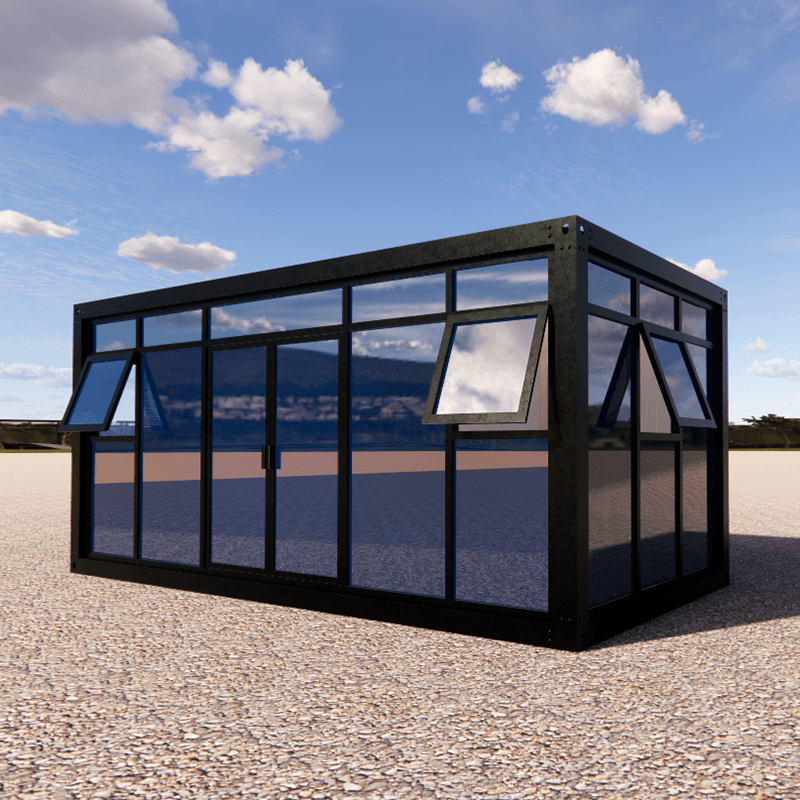
I. Acceptance Procedures and Key Nodes
Acceptance should verify functions one by one according to six types of actions: entry, use, cleaning, replenishment, maintenance, and relocation, ensuring the normal operation of systems such as water supply and drainage, ventilation, and lighting. Record detailed information for each toilet, including its number, dimensions, doors and windows, and sanitary ware, and associate it with original materials such as photos and drawings. Risk boundary management requires that ventilation and drainage issues not be masked by fragrances, and that electrical and lifting work be handled by professionals. List management should clarify points, the number of people served, interface conditions, etc. Handover meetings should only address discrepancies, with new requirements recorded separately. During re-inspection, retest using the original actions. For items that fail, clarify the scope of impact, temporary measures, and the re-inspection date.
II. Material and Workmanship Requirements
Welding processes must comply with the national standard GB/T 14952.1-2017, with a penetration depth of more than 70% of the base material thickness and surface depressions or protrusions on the weld not exceeding 0.5mm. For material selection, check the integrity of the inner cavity galvanized layer for light-duty square steel and ensure the paint film thickness at the edges of angle steel meets standards. The average thickness of the galvanized layer should be ≥85μm, with local areas ≥70μm. During acceptance, randomly measure 10 points using a magnetic thickness gauge. Preferentially use galvanized steel plates or stainless steel and verify material certification documents.
III. Functionality and Performance Testing
Visually inspect the completeness of appearance and decoration, with dimensional errors ≤5mm, and ensure the decorative layer is flat and the joints are sealed. The wind resistance should be ≥ Grade 10, the earthquake resistance ≥ Grade 8, and the service life ≥ 10 years, with thrust tests conducted according to GB/T50212. For seal and waterproof testing, spray water for 15 minutes to check for exterior wall leakage and let the storage tank stand for 1 hour to check for leakage. For the airtightness test of the toilet body, the sealing time of the toilet fixture should be ≤3 seconds, and check the isolation between the fecal storage tank and the toilet compartment as well as the rationality of the vent pipe.
IV. Environmental Protection and Hygiene Requirements
Ecological toilets should maintain floors and troughs free of garbage and liquid accumulation, with walls free of stains and cobwebs. Temporary simple toilets should be reasonably located, with floors free of dirt and interiors free of cobwebs.
V. Testing Methods
The purchasing party may send personnel for supervision or conduct pre-acceptance before shipment. After the equipment arrives, conduct acceptance according to the list and cooperate with functional explanations. After installation and commissioning, conduct a trial run to ensure there are no faults.
VI. Acceptance Tools
Use a stopwatch (range of 1 hour, accuracy of 1 second), a steel tape measure (range of 5 meters, accuracy of 1 millimeter), as well as a lux meter, anemometer, multimeter, etc., to test lighting, ventilation, and electrical performance.



