
Mobile Terrible Toilet
A "mobile terrible toilet" generally refers to a mobile toilet with poor quality, an unpleasant user experience, and substandard sanitary facilities. These toilets are commonly found in temporary public places such as parks, music festivals, and large-scale events. However, due to issues in design, manufacturing, or management, various problems arise during use, affecting the user experience.
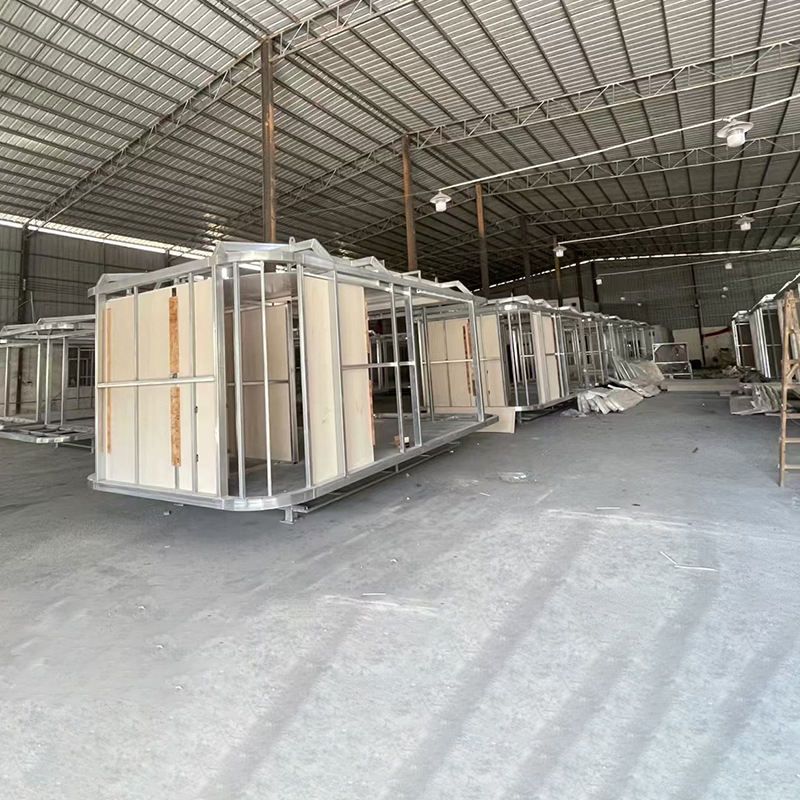
Design and Manufacturing Issues
The design and manufacturing quality of mobile toilets directly impact their usability. Poor material quality is a common cause. For example, the use of inferior plastics or metals can lead to easy damage, leaks, or unpleasant odors. Unreasonable design can also cause problems, such as poor ventilation, cramped spaces, or improper layouts, resulting in stuffy air and inconvenience inside the toilet. Additionally, some toilets lack basic facilities like sinks, lighting, or non-slip floors, further reducing user comfort.
Inadequate Management and Maintenance
Even with reasonable design, inadequate management and maintenance can turn a mobile toilet into a "terrible" one. For instance, delayed cleaning can lead to the accumulation of odors, stains, and even bacteria. Unrepaired equipment damage, such as malfunctioning door locks or flushing systems, can severely affect the user experience. Moreover, some toilets lack regular inspections, posing safety hazards like electrical aging or structural looseness.
Market Chaos and Lack of Supervision
Some mobile toilets suffer from unreasonable fees and poor management. For example, mobile public toilets that require scanning a code for payment and have time limits may impose financial and psychological pressure on users due to excessive fees or overly short time limits. Additionally, some contractors or suppliers, in pursuit of profit, cut costs and use shoddy materials, leading to a decline in product quality and further exacerbating the "terrible" phenomenon of mobile toilets.
Improvement Measures
To avoid poor-quality mobile toilets, efforts should be made from multiple aspects: Strengthen product quality supervision to ensure materials and equipment meet standards; Emphasize daily management and maintenance by regularly cleaning, inspecting, and repairing equipment; Improve market regulations to combat unreasonable fees and shoddy practices; Enhance public environmental awareness to guide proper use and maintenance of public facilities. Through these measures, the overall quality of mobile toilets can be improved, enhancing the public environment.



