
Quay lại blog
Bài viết
Mobile Smart Toilet System
Quản trị 21 tháng 9, 2026
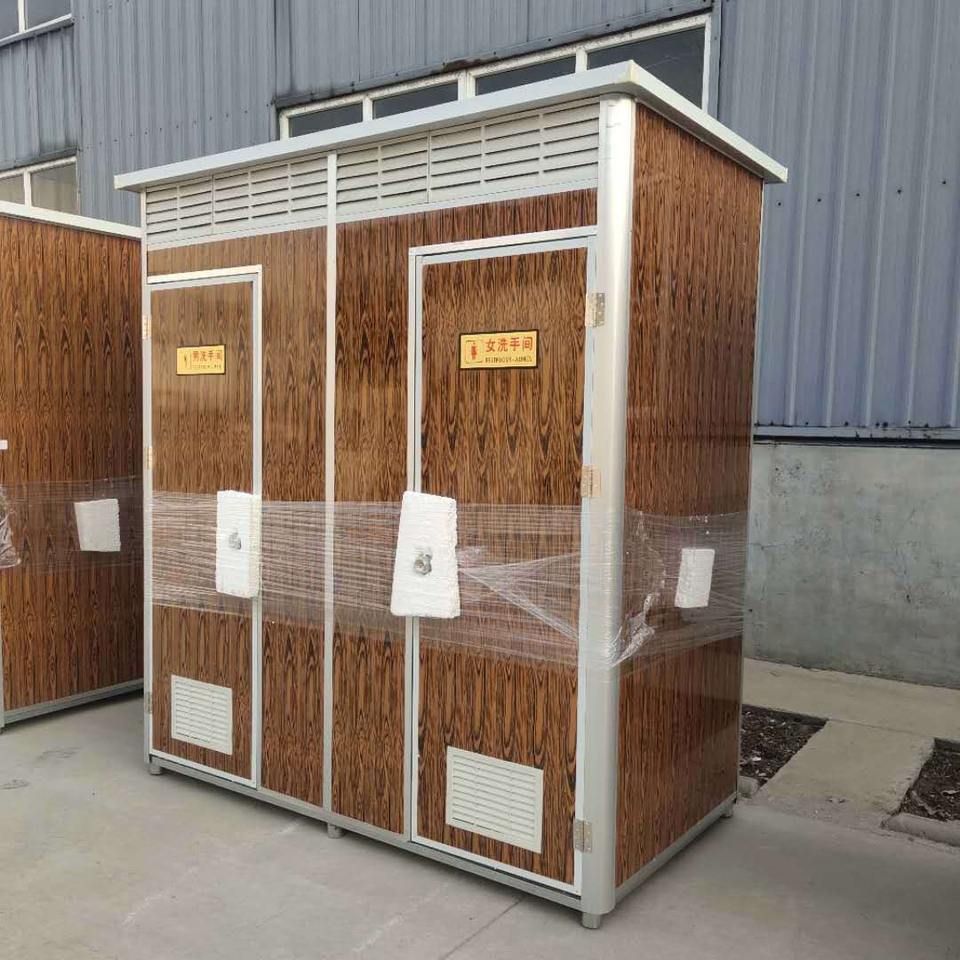
The Mobile Smart Toilet System is an application extension of the smart public toilet system in mobile scenarios or for specific needs, relying on technologies such as the Internet of Things (IoT) and big data to achieve full lifecycle digital management.
Technical Architecture and Core Functions
The Mobile Smart Toilet System follows a four-layer architecture: "Perception Layer - Transmission Layer - Platform Layer - Application Layer":
- Perception Layer: Utilizes devices such as ammonia and hydrogen sulfide sensors, infrared human body sensors, etc., to collect real-time data on toilet stall occupancy status, air quality (e.g., odor concentration), and consumable inventory (e.g., toilet paper and hand sanitizer levels), providing foundational information for subsequent management.
- Transmission Layer: Employs narrowband IoT (NB-IoT), LoRa, or 4G/5G technologies to achieve low-power, stable data transmission, ensuring uninterrupted data flow in mobile scenarios (e.g., transportation hubs, tourist attractions).
- Platform Layer: Conducts real-time computation and historical trend analysis of collected data. When parameters such as air quality exceed standards or consumable levels are insufficient, it automatically generates cleaning or restocking work orders, enhancing operational efficiency.
- Application Layer: Provides services such as cleaning scheduling and consumable restocking alerts for managers; offers functions like toilet stall guidance and environmental information disclosure (e.g., real-time air quality display) for the public, optimizing user experience. For example, Guangzhou Zhongqi Technology's "ZQ-SmartToilet" system supports modular configuration, adaptable to various scenario requirements.
Adaptive Optimization for Mobile Scenarios
The system upgrades from a single facility to an "urban service ecosystem node," covering highly mobile scenarios such as transportation hubs and tourist attractions:
- Dynamic Management: In transportation hubs, through toilet stall monitoring and environmental sensing, cleaning tasks are automatically adjusted during peak periods to prevent toilet stall congestion and odor issues.
- Seamless Service: In tourist attractions, by integrating multimedia interaction and automated controls (e.g., automatic感应门 (automatic induction doors), intelligent lighting), it reduces visitor operation steps and enhances service experience.
Industry Evolution and Future Trends
The development of smart public toilets in China has undergone three stages:
- Initial Intelligence (2015-2018): Focused on adding single devices with dispersed functions.
- Digital Upgrade (2019-2022): Achieved data visualization and preliminary operational capabilities, such as remote monitoring.
- Full-Scenario Intelligence (2023-present): Formed a complete technical architecture supporting customized needs across multiple scenarios. For example, the "5G Smart Station" integrates 5G micro-base stations, vending machines, and other functions, becoming a micro-complex for urban smart services.
In the future, the system will deeply integrate into smart city and smart sanitation systems, becoming an important benchmark for measuring urban public service levels.



