
Mobile Smart Toilet Architecture
The architecture of mobile smart toilets is based on the technical framework of smart public toilets, with its core consisting of a perception layer, transmission layer, platform layer, and application layer. It relies on technologies such as the Internet of Things (IoT), big data, and cloud computing to achieve full lifecycle management and features modular expandability.
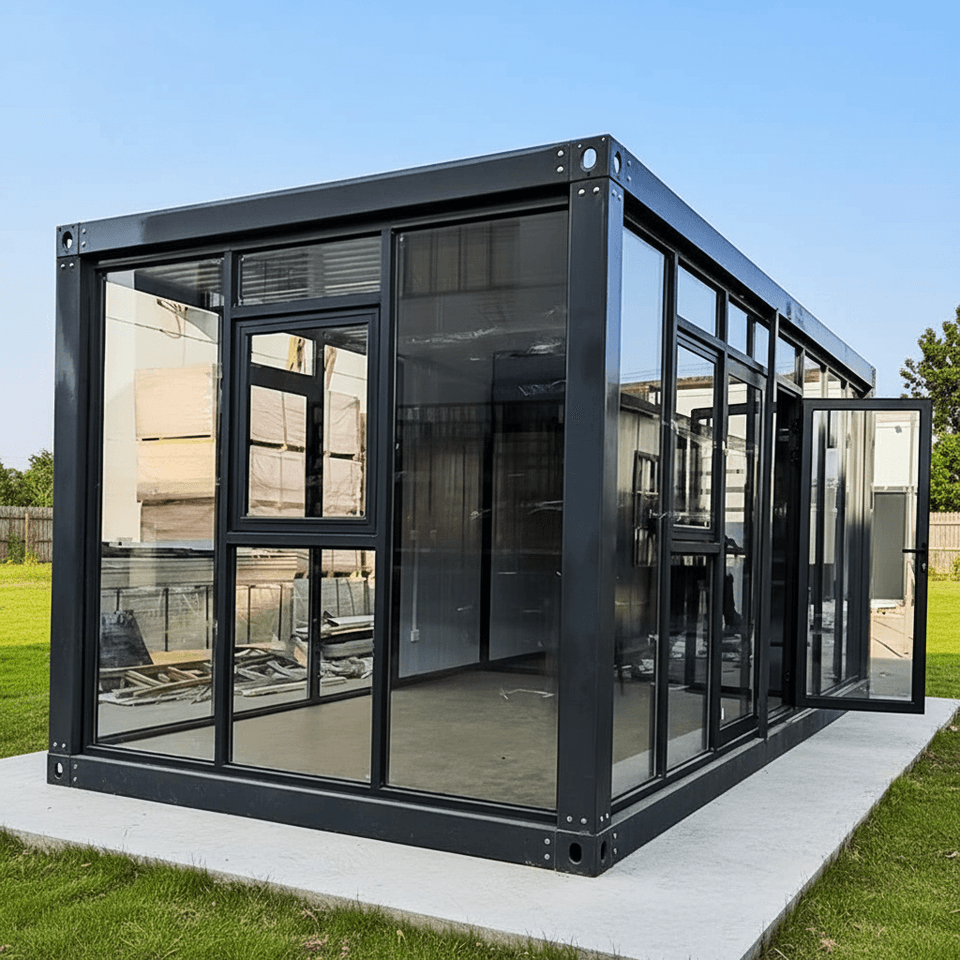
The perception layer serves as the data collection foundation of the architecture, using sensor networks to monitor key indicators in real time. For example, toilet stall occupancy status is detected through infrared or pressure sensors, air quality is assessed using odor concentration sensors (such as ammonia and hydrogen sulfide detection), environmental temperature and humidity are collected by temperature and humidity sensors, and facility operational status includes data on water and electricity consumption, paper towel levels, etc. Some mobile toilets also integrate environmental protection technologies, such as the foaming position monitoring devices in towed mobile environmental toilets, which provide real-time feedback on the usage of consumables like foaming liquid, offering a basis for operation and maintenance.
The transmission layer is responsible for reliable data transmission, employing communication technologies such as LoRa, RS485 wired connections, or 5G. LoRa is suitable for long-distance, low-power scenarios, RS485 ensures the stability of wired transmission, and 5G supports high-bandwidth data such as high-definition video. This layer supports offline operation and dual-network compatibility, ensuring that data is temporarily stored locally during network fluctuations and automatically synchronized to the cloud or local management platform upon recovery, preventing data loss.
The platform layer builds a cloud management platform based on cloud computing and big data analysis, enabling data storage, processing, and intelligent decision-making. For example, AI algorithms analyze historical foot traffic data to predict peak times and dynamically adjust cleaning schedules; combined with water and electricity consumption data, energy consumption strategies are optimized to reduce operational costs. The platform also supports cluster management of multiple toilets, enhancing regional coordination efficiency.
The application layer provides differentiated services for users and management. For users, it displays toilet stall availability, environmental indicators (such as temperature, humidity, and odor levels) via electronic screens or mobile apps, and offers multimedia interaction services. For management, it enables remote monitoring of facility status, fault warnings (such as sensor abnormalities, water and electricity leaks), and consumable inventory management. Some mobile toilets have been upgraded to “5G Smart Stations,” integrating vending machines, shared power banks, and other convenience facilities to expand service scenarios.
In addition, the architecture emphasizes modularity and expandability, allowing adaptation to different scenarios such as transportation hubs and tourist attractions by adding or removing sensors or functional modules. It also integrates into smart city management systems through standard data interface protocols, achieving interconnection with municipal and sanitation platforms.



