
Mobile Shop Toilet
Mobile shop toilets generally refer to movable toilet facilities suitable for use around shops or temporary venues, providing restroom services to the public and customers with the advantage of flexible deployment.
Applicable Scenarios and Advantages
Mobile shop toilets are primarily used in temporary or fixed-demand scenarios such as stations, docks, tourist attractions, bustling commercial streets, and densely populated public places. Their core advantage lies in mobility, allowing for quick deployment or relocation based on the operational needs of the shop, avoiding the long construction periods and high costs associated with traditional toilets. Additionally, mobile toilets support modular combination, enabling the adjustment of unit numbers based on foot traffic to enhance usage efficiency. Their ease of transportation also makes them ideal for temporary events (e.g., exhibitions, fairs).
Structure and Classification
Mobile toilets typically consist of the following components:
- Fecal treatment system: Includes storage tanks or microbial degradation units. The former requires regular cleaning, while the latter reduces pollution through biological decomposition.
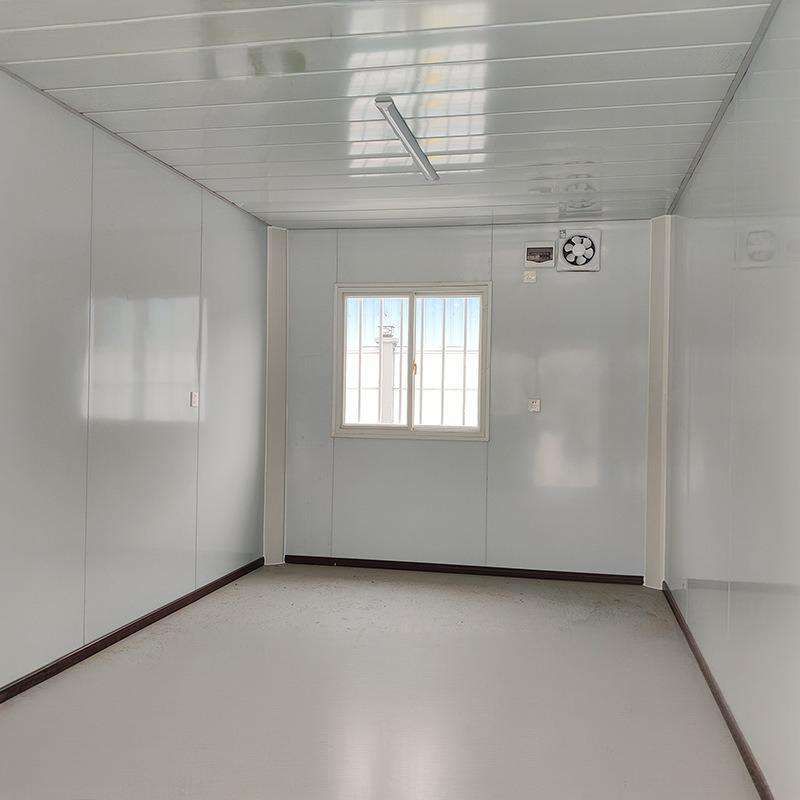
- Basic structure: Comprises flooring, walls (often made of durable materials like metal carved panels), and a roof to ensure stability and durability.
- Sanitary facilities: Equipped with squat/seat toilets, water tanks, handwashing equipment, with some high-end models integrating water heaters and showerheads.
- Mobility device: Fitted with wheels or a towing structure at the bottom for easy overall relocation.
Based on structural form, mobile toilets can be classified as single-unit (independent units) and connected-unit (multi-unit combinations). By mobility method, they are divided into trailer-mounted (requiring vehicle towing) and self-propelled (with built-in power). According to sewage treatment method, they are categorized as storage-type (requiring external disposal), microbial degradation-type (eco-friendly and energy-saving), and flush-type (dependent on water supply and drainage systems).
Price and Configuration Differences
The price of mobile toilets varies by manufacturer and configuration. For example, Chengdu Fengtai Environmental Protection Engineering Co., Ltd. offers microbial mobile toilets at 169.1 yuan per unit and prefabricated environmental public toilets at 159.6 yuan per unit, though these prices may be for partial components or simplified models. High-end models feature metal carved panel material (8 cm thick) with thermal insulation and rust prevention properties, a lifespan of up to 20 years, 220-volt power with 50-watt consumption, equipped with sound insulation systems and water-saving designs, and fully furnished interiors suitable for scenarios demanding high comfort.
Selection Recommendations
Shops can choose models based on actual needs: For temporary events, lightweight and easily disassembled storage-type or trailer-mounted toilets are recommended; for long-term use, microbial degradation-type or flush-type toilets are suggested for their balance of environmental protection and convenience. In terms of configuration, prioritize durable materials (e.g., metal carved panels) and water-saving facilities to reduce maintenance costs.



