
Mobile Restroom Room
Mobile restroom rooms come in various forms and designs to meet different scenarios and needs.
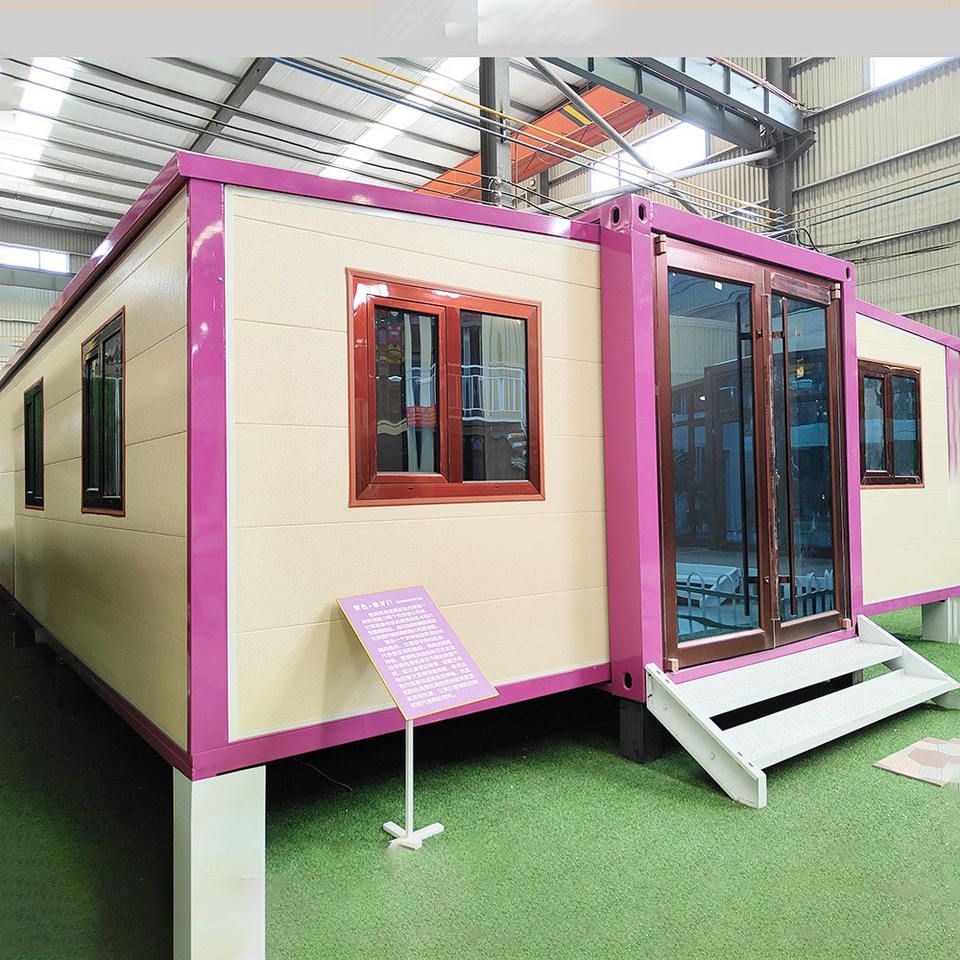
I. Mobile Bathroom
This type of mobile restroom typically has fixed dimensions, such as a width of 2 meters and a length of either 3.5 meters or 3 meters. Its exterior features a dual-color metal insulated carved panel or a pure white design, combining aesthetics with practicality. Inside, it adopts a wet-dry separation design with clearly defined functional zones, allowing simultaneous use for toilet, showering, and placing a washing machine. This design is suitable for families or small venues, providing a relatively comfortable bathroom environment.
II. Portable Toilet
A portable toilet is a facility that can be moved as a whole and is usually placed at locations with fixed or temporary needs, such as stations, docks, and tourist attractions, to provide toilet services for the public and customers. Its structure is complex, generally consisting of a fecal sewage storage tank (or fecal sewage treatment device), floor, sanitary ware, walls, washing equipment, water tank, roof, and mobile device. Based on structural form, portable toilets can be divided into single-structure and composite-structure portable toilets; based on mobility method, they can be classified as hoisting and handling portable toilets and powered and towed portable toilets; based on sewage treatment method, they can be categorized as water-flush and waterless-flush suction portable toilets, circulating water-flush portable toilets, and dry-packing portable toilets. These classifications enable portable toilets to adapt to various complex environments and needs.
III. Homemade Mobile Restroom
In addition to the two common forms of mobile restrooms mentioned above, some people also make mobile restrooms using water storage tanks and pallets. The specific method involves fixing universal wheels at the four corners of the pallet bottom, placing a water storage tank and cutting an opening to form the tank body. By stacking and fixing two water storage tanks and cutting out a doorway, a drainage device is installed in the interior floor, and a toilet is placed and fixed. Additionally, facilities such as a faucet, washbasin, and showerhead need to be installed, and finally, a door is installed. Although this homemade mobile restroom is relatively simple, it has a low cost and can be customized and adjusted according to actual needs.



