
Mobile Public Toilet Purchase Guide
The selection of mobile public toilets should be based on usage scenarios, material quality, and sewage disposal methods. Here are some specific tips:
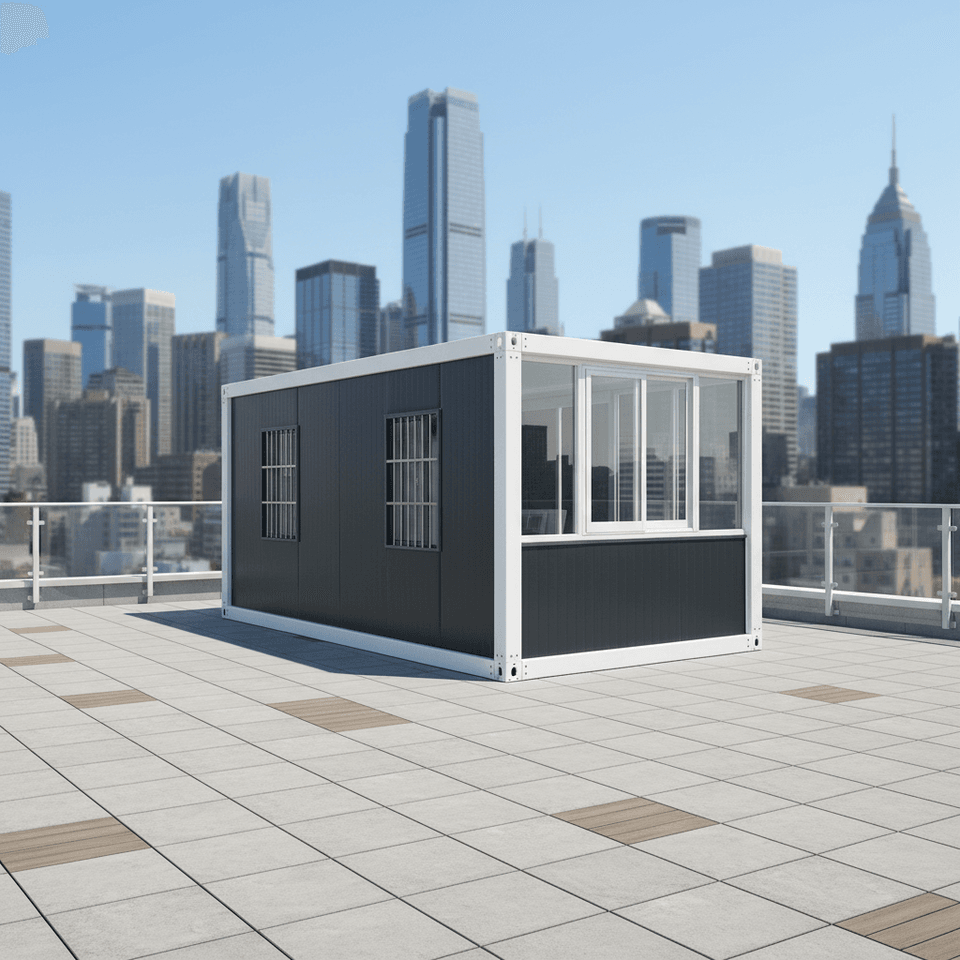
I. Select Models Based on Usage Scenarios Different scenarios have significantly different functional requirements for mobile toilets.
- For construction sites, temporary construction sites, or short-term events (such as music festivals), it is recommended to choose simple steel-structured mobile toilets. These toilets have a sturdy structure, are easy to assemble and disassemble, can be transported repeatedly, and are suitable for short-term outdoor use.
- For long-term outdoor scenarios such as scenic spots, parks, and municipal roads, prefabricated landscape mobile toilets are recommended. These toilets have a simple and elegant appearance, good sealing properties, can blend into the environment, and reduce odor diffusion.
- For rural outdoors, camping bases, or sites without a sewage network, sewage-network-free ecological mobile toilets should be selected. These toilets use microbial degradation or packaged sewage disposal designs, do not require complex civil construction, are leak-proof, and easy to clean.
- For large-scale events such as sports competitions and exhibitions, it is recommended to use multi-compartment mobile public toilets. By increasing the number of toilet compartments, personnel turnover efficiency can be improved, and queuing congestion can be avoided.
II. Focus on Material Quality Materials directly affect the durability and user experience of the toilets.
- Main Frame: It is advisable to choose hot-dip galvanized square steel welded frames, which have strong wind, sun, and corrosion resistance, and are not prone to rusting or deformation during long-term outdoor use.
- Exterior Wall Panels: For municipal or scenic spot scenarios, metal carved panels (with thermal insulation, waterproofing, and corrosion resistance) are suitable; for short-term use on construction sites, color steel panels (lightweight and cost-effective) can be selected; for gardens or cultural and tourism scenic spots, landscape modeling panels (with high aesthetic appeal and environmental adaptability) are recommended.
- Internal Configuration: It should include anti-slip floors, odor-proof ceramic sanitary ware, ventilation equipment, energy-saving lighting, privacy door locks, and storage hooks. Sealing technology and odor-proof design are crucial. For example, using U-shaped traps or biological odor removal technology can effectively reduce odors.
III. Choose Sewage Disposal Methods Based on Site Conditions Sewage disposal methods should match the site's sewage network conditions:
- For sites with a municipal sewage network and convenient water and electricity supply, water-flush direct-discharge type toilets can be selected, which have low operation and maintenance costs.
- For sites without a sewage network or with insufficient water and electricity supply, microbial degradation type (using bacteria to decompose excreta) or packaged type (regularly replacing fecal bags) toilets are recommended to avoid environmental pollution.
- In cold regions, foam-sealing type toilets should be considered, which use foaming liquid to cover excreta to prevent freezing and reduce water consumption.
IV. Price and Cost-Effectiveness Market prices vary greatly depending on specifications and materials: Simple models (¥47.5-¥256.0) are suitable for short-term use; ecological models (¥120.0-¥1159.2) balance environmental protection and cost; high-end models (starting from ¥8599.0) support customization and are suitable for long-term high-traffic scenarios. It is recommended to prioritize products with reliable materials and suitable for the scenario to avoid increased maintenance costs due to low prices in the later stage.



