
Mobile Public Toilet Performance
The performance of mobile public toilets encompasses multiple dimensions, including sanitation services, environmental protection technologies, deployment efficiency, user-friendly design, intelligent management, scenario adaptability, and structural materials.
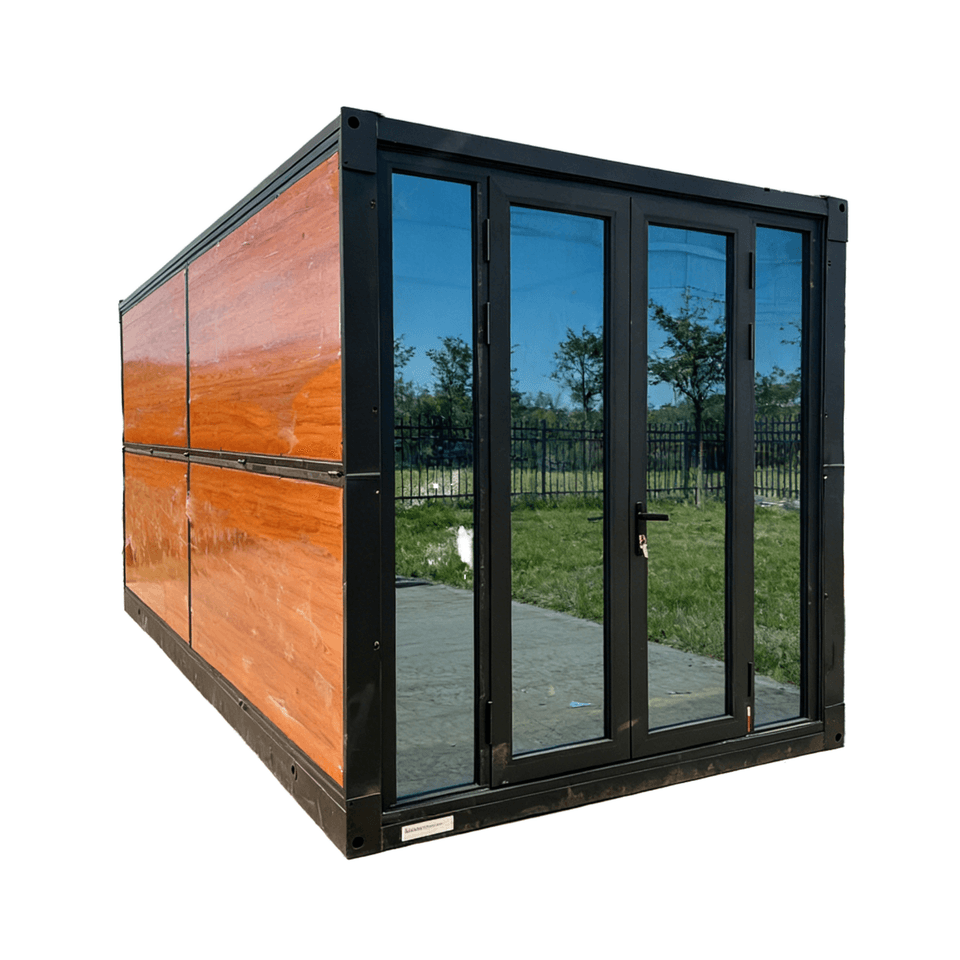
Basic sanitation service performance is a core function, meeting immediate restroom needs in crowded areas such as tourist attractions and construction sites through modular design, alleviating the shortage of fixed public toilets. Its design strictly adheres to the 'Urban Public Toilet Design Standards' to ensure basic sanitation conditions are met.
Environmental protection technology performance is prominently reflected in water conservation and sewage treatment. Vacuum suction or biodegradation technologies are employed, reducing single flush volumes to as low as 0.3-0.5 liters, saving over 90% of water compared to traditional public toilets. Some models are equipped with MBR membrane bioreactors for sewage purification to reclaimed water standards; dry-pack models use biodegradable plastic bags to collect waste, requiring no water throughout the process. The power supply system utilizes rooftop photovoltaic panels, supporting off-grid operation and further reducing energy consumption.
Rapid deployment performance is achieved through modular steel structure containers, allowing installation by lifting vehicles within 2 hours, suitable for emergency scenarios such as earthquake-stricken areas and temporary construction sites. Some models feature self-propelled chassis, enabling autonomous movement without external equipment, significantly enhancing flexibility.
User-friendly design performance includes barrier-free spaces (≥1.5m×1.5m), tactile guide systems, constant-temperature ventilation systems (ventilation volume ≥20m³/h), and intelligent sensor lighting (illumination ≥150lux), ensuring comfort and safety during use.
Intelligent management performance relies on IoT sensors to monitor usage frequency, ammonia concentration (alarm threshold ≥20ppm), and water tank levels in real-time, with data synchronized to a remote management platform for precise scheduling and maintenance.
Special scenario adaptability performance is optimized for extreme environments, with models for cold regions equipped with electric tracing pipes (resistant to -40℃) and coastal wind-resistant models with a wind pressure rating ≥1.5kN/m², ensuring stable operation.
Structural and material performance features a main frame welded from national standard light steel keels, with exterior wall materials such as color steel plates and metal carved panels as eco-friendly options, designed for a lifespan exceeding 20 years. Standard configurations include toilet bowls, coat hooks, and other infrastructure, with optional additions like heating and cooling air conditioners and air purifiers to meet diverse needs.



