
Mobile Plastic Toilet Flushing
The flushing methods of mobile plastic toilets mainly rely on gravity flushing, foot-pump operation, or foot-pedal control, combined with water-saving designs and sealed structures to achieve efficient waste discharge and sanitation maintenance.
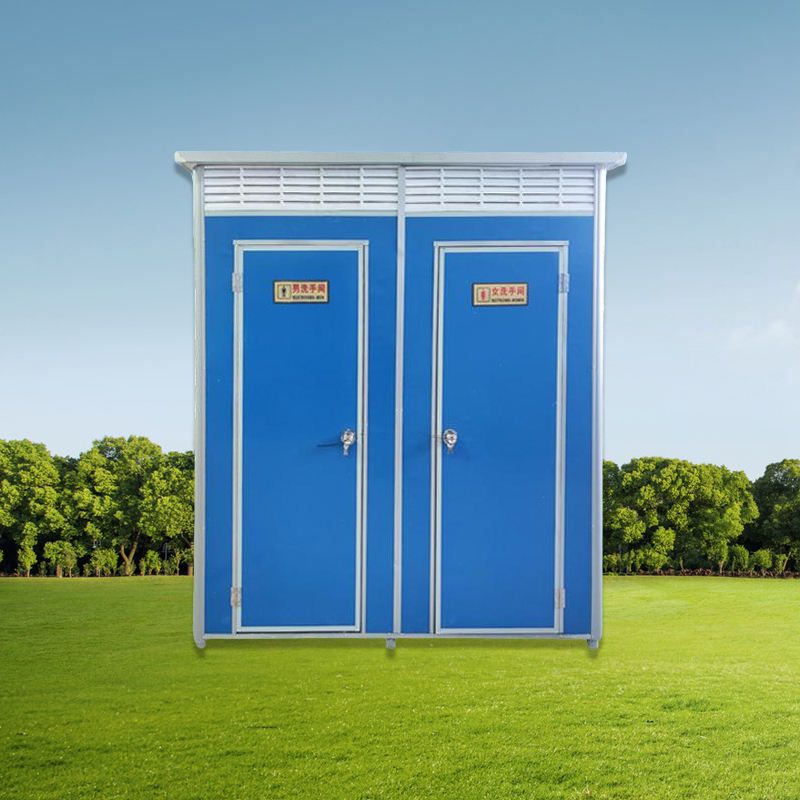
1. Synergistic Mechanism of Gravity Flushing and Foot-Pump Waste Discharge
Some mobile plastic toilets are equipped with large-capacity freshwater tanks that utilize gravity for flushing. When a user triggers the flushing mechanism (such as a foot pedal or button), water from the freshwater tank rapidly flows through pipes into the toilet bowl, creating a flushing force that carries waste into the wastewater tank. Waste discharge from the wastewater tank is accomplished through foot-pump operation: when the user presses the foot pump, an internal piston structure generates pressure, expelling wastewater from the tank into an external collection container or designated disposal area. This design requires no electrical power, making it suitable for temporary locations without infrastructure, such as outdoor events and construction sites.
2. Integrated Foot-Pedal Control for Flushing and Disinfection
Most mobile plastic toilets employ foot-pedal-controlled flushing systems. When the user presses the foot pedal, water from the tank flushes the inner walls of the toilet bowl at a preset flow rate, while some models simultaneously release disinfectants and deodorizers. Disinfectants kill bacteria in the waste, reducing odor production; deodorizers further suppress odor diffusion through chemical neutralization or masking. This process requires no manual operation, minimizing the risk of cross-infection and enhancing convenience through automation.
3. Core Logic of Water-Saving Design
To accommodate water resource limitations in temporary use scenarios, mobile plastic toilets generally adopt water-saving designs. Their freshwater tanks typically have smaller capacities (e.g., 5-10 liters), but by optimizing water flow paths and flushing pressure, they ensure that only 2-4 liters of water are needed per flush to achieve cleanliness. Some models also feature dual-flush functions, allowing users to select different water volumes based on the type of waste, further reducing water consumption. This design meets environmental protection needs, extends the service life of the freshwater tank, and reduces the hassle of frequent refilling.
4. Sanitation Guarantee of Sealed Tank Structures
Both the wastewater and freshwater tanks of mobile plastic toilets are sealed, with rubber gaskets or snap-fit structures ensuring tight connections between the tanks and pipes. The sealed design effectively prevents wastewater leakage, avoiding contamination of the ground or soil; simultaneously, the smooth plastic interior reduces waste residue, lowering the risk of bacterial growth. Some premium models also add biodegradable enzymes to the wastewater tank to accelerate waste decomposition, further reducing odors and cleaning difficulty.
5. Auxiliary Role of Ventilation and Exhaust Systems
Although the flushing system is central, sanitation maintenance in mobile plastic toilets also relies on ventilation and exhaust systems. Through top exhaust pipes or sidewall exhaust fans, continuous airflow circulation is established inside the toilet, expelling odors and moisture to the outdoors. Some models also install activated carbon filters at exhaust vents to adsorb odor molecules, improving air quality. This system works in tandem with the flushing design to ensure that the toilet interior remains dry and odor-free over the long term.



