
Mobile House Dampproof Container
Dampproofing for mobile houses can be achieved through measures such as selecting the appropriate container type, proper ground treatment, strengthening waterproof layer construction, optimizing ventilation design, and using dampproof materials. Details are as follows:
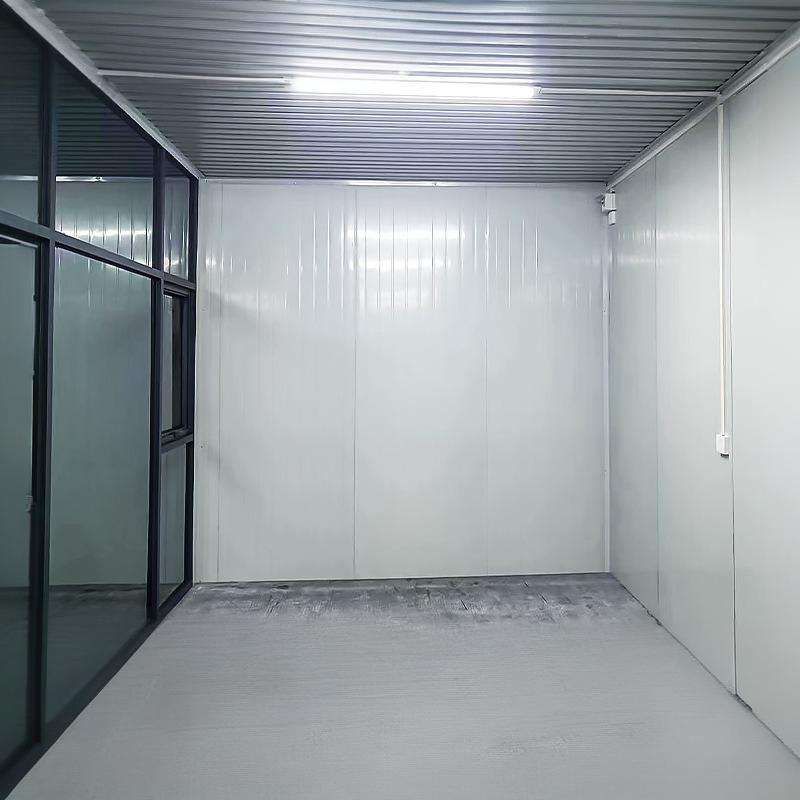
1. Select the appropriate container type
When purchasing a container for a mobile house, prioritize types with good sealing and structural stability. For example, welded integral containers are formed by factory welding as a whole. The load path is direct, with the roof load transferred through side-wall columns to the bottom sill, and then evenly distributed to the ground through the bottom sill. This structure has strong resistance to deformation, effectively reducing gaps caused by structural deformation and lowering the possibility of moisture intrusion.
2. Proper ground treatment
The ground is one of the main channels for moisture to rise, so ground treatment is crucial. Before constructing the container house, ensure the ground is flat and solid. You can first lay a layer of gravel or concrete cushion to enhance the ground's drainage performance and prevent water accumulation. Then, lay a dampproof layer on top, such as dampproof film or waterproof membrane, to isolate the bottom of the container from ground moisture.
3. Strengthen waterproof layer construction
The roof and walls of the container house are key areas for dampproofing. After the roof and walls are installed, conduct comprehensive waterproof treatment. High-quality waterproof coatings or waterproof membranes can be used, applied or laid according to construction specifications to ensure the waterproof layer is seamless and undamaged. Especially in areas such as roof eaves and gutters, strengthen waterproof treatment to prevent rainwater backflow.
4. Optimize ventilation design
Good ventilation can effectively reduce indoor humidity and minimize moisture accumulation. During the design and construction of the container house, reasonably set up ventilation openings and windows to ensure the circulation of indoor air. A combination of natural and mechanical ventilation can be adopted, such as installing exhaust fans at ventilation openings to enhance ventilation effects.
5. Use dampproof materials
When decorating the interior of the container house, choose materials with dampproof properties. For example, dampproof wallpaper or dampproof coatings can be used for walls, and dampproof floors or tiles can be laid on the ground. At the same time, when storing items, use dampproof boxes or dampproof bags to further protect items from moisture damage.



