
Tiling on Mobile Home Containers
Mobile home containers can be tiled, but it is necessary to comprehensively consider factors such as structure, waterproofing, and construction conditions and take targeted measures.
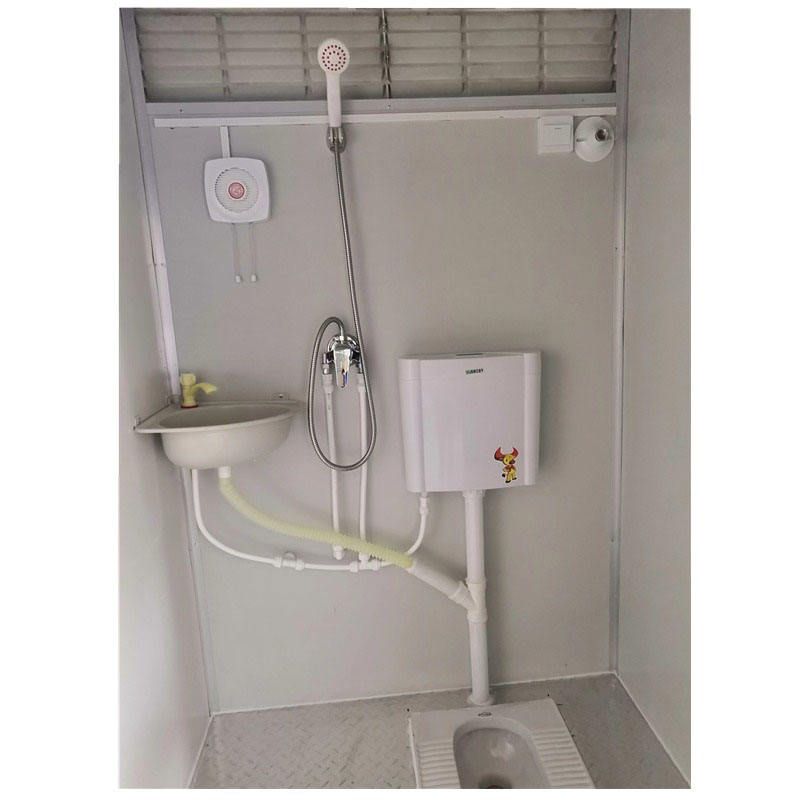
Structural Adaptability
The main body of mobile home containers is mostly steel structure. Although they have relatively strong load-bearing capacity, there are differences in wall flatness compared to ordinary building walls. If tiles are to be directly applied, it is essential to ensure that the wall base is flat and solid. If necessary, light steel keels or cement fiber boards can be installed as base materials to provide stable support for tile adhesion and avoid tile hollowing and detachment due to an uneven base.
Waterproofing Treatment
The waterproofing performance of containers is crucial. Before tiling, comprehensive waterproofing treatment should be carried out on the container walls, especially at joints and corners where leakage is prone to occur. Waterproof coatings, waterproof membranes, or sealants can be used for sealing to form a continuous waterproof layer, preventing moisture from penetrating into the steel structure, causing rust, and affecting the structural safety and service life of the house.
Construction Conditions
Mobile home containers are mostly used in scenarios such as construction site dormitories and temporary offices, and the construction environment may be limited. When tiling, it is necessary to ensure that the construction site is dry and well-ventilated, and avoid working in humid, low-temperature, or windy weather to prevent affecting the curing effect of the tile adhesive and resulting in poor adhesion. At the same time, the mobility of the container should be considered. If the house needs to be relocated frequently, the tiles may be damaged due to vibration and collision, so it is necessary to evaluate the usage requirements and construction costs.
Tile Selection and Construction Techniques
Tile selection should balance aesthetics and practicality. It is advisable to choose lightweight and thin tiles to reduce the load on the container walls. During construction, special tile adhesives or bonding agents should be used to ensure firm adhesion between the tiles and the base. For large-area tile laying, appropriate expansion joints should be reserved to prevent tile cracking due to temperature changes or structural deformation. In addition, after tile laying, curing should be carried out to avoid premature use or bearing heavy loads and ensure construction quality.



