
Materials for Mobile Home Containers
The materials for mobile home containers mainly include the following types:
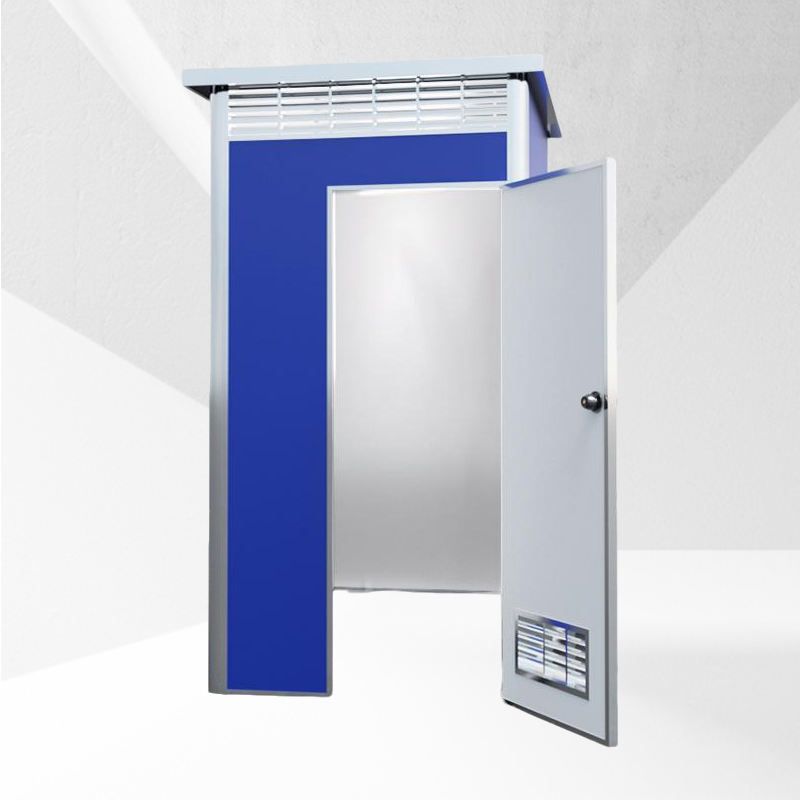
1. Specialized container panels and manufacturing processes
These materials are based on the manufacturing processes of standard containers, using high-strength steel (such as weathering steel or high-strength structural steel) pressed into shape with specialized molds. Their core advantages lie in inheriting the durability and deformation resistance of traditional containers, enabling them to withstand long-term transportation and frequent assembly and disassembly. The steel surfaces are typically treated with anti-corrosion measures (such as hot-dip galvanizing or painting) to adapt to different climatic conditions.
2. Color-coated steel sheets and color-coated steel sandwich panels
Color-coated steel sheets are lightweight panels made from cold-rolled steel as the base material, coated with organic coatings (such as polyester or silicone-modified polyester). They are corrosion-resistant and easy to process. Color-coated steel sandwich panels are an upgraded version, formed by filling insulation materials such as expanded polystyrene (EPS), rock wool, or glass wool between two layers of color-coated steel sheets, creating a composite structure. This material retains the strength of steel while significantly improving insulation performance, widely used in the walls and roofs of mobile homes.
3. Main frames pressed from special-shaped steel plates and side panel fillings
The main frames are pressed from high-strength special-shaped steel plates (such as Q345B low-alloy high-strength steel) to ensure overall structural stability. The side panels are filled with soundproofing and thermal insulation materials such as polyurethane foam or rock wool, forming a composite structure of 'frame + filling'. This design effectively reduces noise transmission and heat conduction while maintaining structural strength, enhancing living comfort.
4. Integrated polyurethane foam composite panels
This material uses high-pressure foaming technology to inject polyurethane raw materials directly between two layers of metal panels (such as galvanized steel or aluminum), forming a seamless composite panel. Its advantages include strong integrity, no thermal bridge effect, and excellent thermal insulation performance due to the closed-cell structure of polyurethane (with a thermal conductivity as low as 0.022W/(m·K)). Additionally, the integrated molding process reduces joint gaps, further improving waterproofing and airtightness, making it suitable for scenarios with high environmental adaptability requirements.
Basis for material selection
The selection of different materials requires comprehensive consideration of usage scenarios, cost budgets, and functional requirements. For example, temporary mobile homes may prioritize lower-cost color-coated steel sheets, while long-term modular buildings tend to use polyurethane composite panels or color-coated steel sandwich panels to balance durability and comfort. Special-shaped steel plate frames are mostly used in industrial-grade container homes with extremely high structural strength requirements.



