
Floor Tiling for Mobile Home Containers
Mobile home containers can be tiled with floor tiles, but a comprehensive assessment based on the usage scenario, container condition, and cost is required, along with strict adherence to key operational steps.
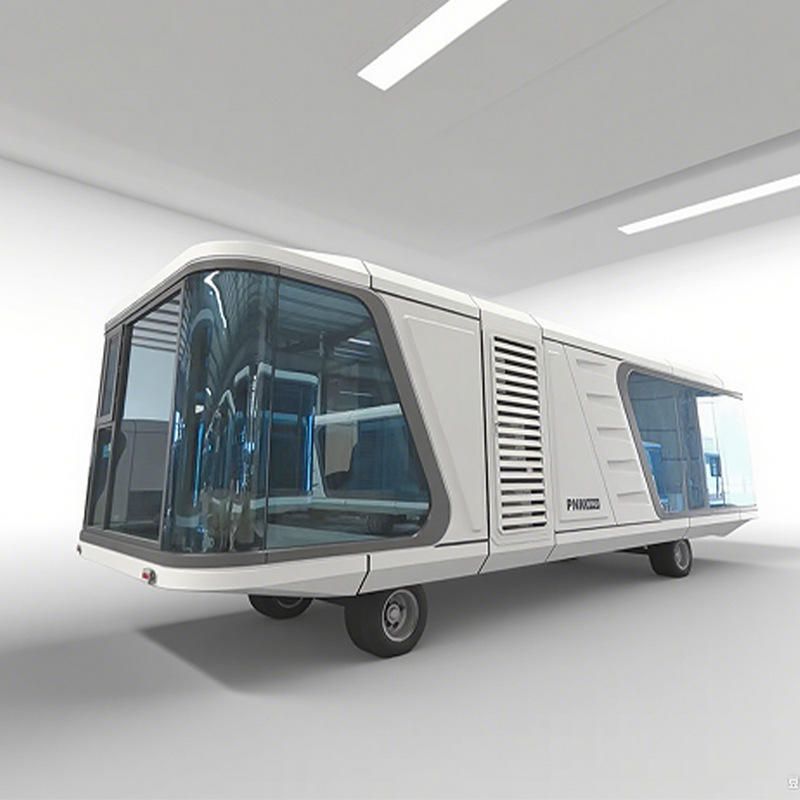
I. Key Operational Steps
Reinforce the Bottom Structure
The thickness of the floor in ordinary containers is often insufficient, and the weight of floor tiles (approximately 20-30 kg/m²) may cause the bottom to collapse. Reinforcement is necessary through two methods:- Beam Densification: Increase the density of the bottom beams to distribute pressure evenly;
- Laying Base Plates: Prioritize the use of cement fiber boards or magnesium oxide boards (thickness ≥ 12 mm), which have superior load-bearing performance compared to ordinary wooden boards and are fire-resistant and moisture-proof. Avoid using easily deformable materials such as bamboo plywood.
Waterproofing Treatment
- Joint Sealing: Install U-shaped aluminum channels at the container joints and seal them thoroughly with glass glue to prevent rainwater infiltration;
- Cement Base Thickness: The cement layer before tiling must be ≥ 5 cm to ensure structural stability;
- Tile Joints and Grout: Maintain tile joints of 2-3 mm and use epoxy resin-based grout (water-resistant and corrosion-resistant), especially suitable for wet areas such as kitchens and bathrooms.
Assessment of Old Containers
If the container is severely corroded (e.g., perforated floor or structural deformation), the repair cost may exceed the cost of replacing it with a new container. In such cases, tiling may lead to tile hollowing or detachment due to further damage to the container, and tiling is not recommended.
II. Cost and Applicability Analysis
Long-term Use (≥4 years)
- Advantages: Floor tiles are aesthetically pleasing, easy to clean, and have strong wind resistance, with a lifespan of 4-10 years;
- Disadvantages: High cost (approximately 200 yuan/m², including materials and labor) and long construction period (cement drying requires ≥ 2 days);
- Applicable Scenarios: Containers with sufficient budget and requiring long-term fixed use (e.g., residences, shops).
Temporary Use (≤2 years)
- Alternative Solution: Plastic flooring is low-cost (approximately 30-50 yuan/m²), quick to install, and easy to replace;
- Avoidance Tip: Avoid using wooden boards or bamboo plywood, which are prone to moisture deformation and are not fire-resistant, posing safety hazards.
III. Material Comparison and Selection Recommendations
- Floor Tiles: Suitable for long-term use but require strict reinforcement and waterproofing;
- Cement Boards/Magnesium Oxide Boards: Low-cost and fire-resistant but may cause halogen corrosion to metal structures and require anti-rust coatings;
- Plastic Flooring: Preferred for temporary use but should be a thickened version (thickness ≥ 2 mm) to enhance wear resistance.
Operational Summary: If you decide to tile the floor, prioritize reinforcing the bottom and ensuring proper waterproofing for long-term cost-effectiveness. For temporary needs or old containers, consider low-cost materials such as plastic flooring or cement boards to balance performance and cost.



