
Quay lại blog
Bài viết
Advantages and Disadvantages of Mobile Home Containers
Quản trị 15 tháng 9, 2026
The advantages of mobile home containers include structural stability, convenient transportation, flexible adaptability, cost control, energy conservation and environmental protection, strong earthquake resistance, customizability, and rapid construction. The disadvantages include a decrease in structural stability after multiple disassemblies and assemblies, potential safety hazards in non-standard products under extreme conditions, and insufficient thermal performance in some products.
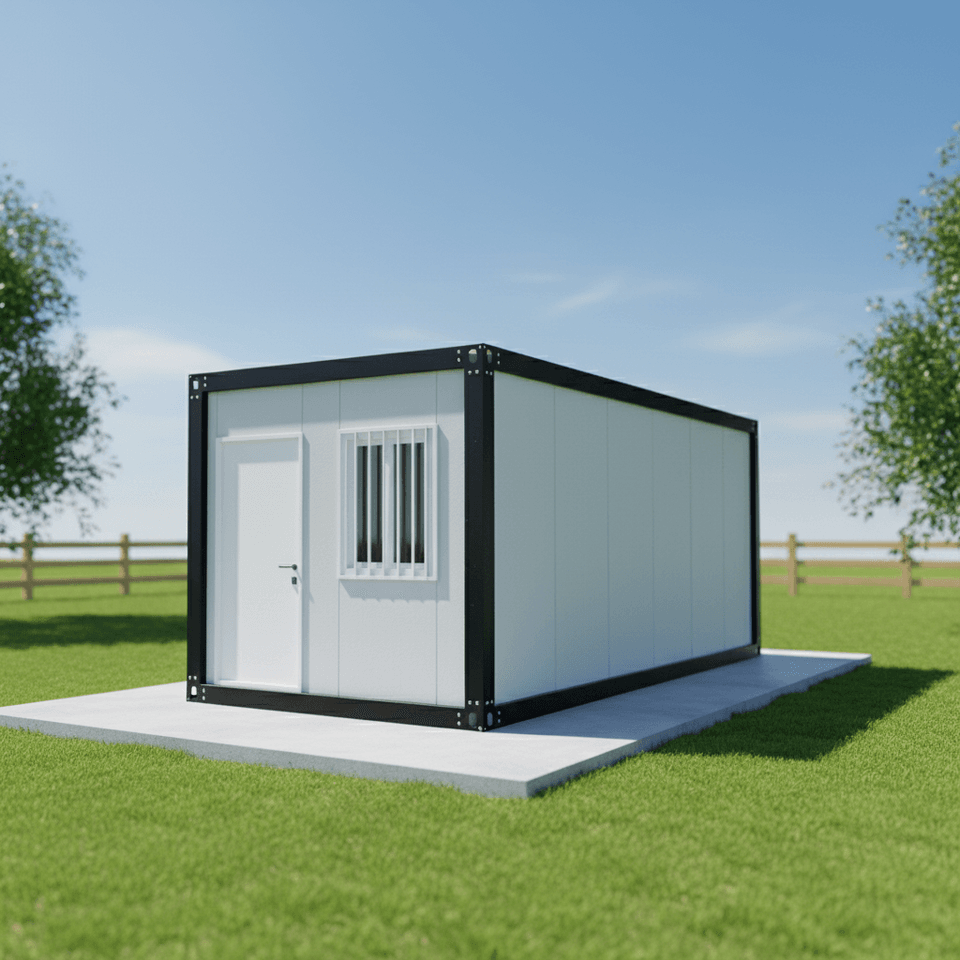
Advantages
- Structural Stability: Utilizing a fully steel structural frame, it can withstand wind speeds of up to Level 12 and seismic activity up to Level 8. Under extreme conditions, the frame shows no significant deformation, ensuring the safety of people and property during use.
- Convenient Transportation: Using standard containers as carriers, they can be used individually or combined. During transportation, the volume is compressed, allowing a single truck to carry multiple units at once, reducing transportation costs.
- Flexible Adaptability: They can be flexibly reshaped and sized according to different needs, enabling personalized customization to meet various spatial requirements. They are suitable for a wide range of scenarios, including temporary offices, accommodations, and event support facilities.
- Cost Control: Compared to traditional buildings, container houses have lower costs and can be repeatedly disassembled and assembled. The cost per use is only one-third of that of a new product, significantly reducing long-term costs.
- Energy Conservation and Environmental Protection: They are typically manufactured using recyclable materials such as steel, reducing the generation of construction waste and aligning with environmental protection principles. They can also provide green energy through renewable energy devices like solar panels.
- Strong Earthquake Resistance: The steel frame and overall structure provide a certain level of earthquake resistance, offering high safety assurance during natural disasters such as earthquakes.
- Customizability: They support on-demand assembly and combination, with high internal space utilization. Special structures such as curved walls and floor-to-ceiling glass windows can be customized according to brand requirements.
- Rapid Construction: The main structure, interior and exterior wall decorations, and pipeline pre-installation are completed in the factory. Only assembly and fixation are required on-site, with a single unit installation time of just a few hours, significantly shortening the construction cycle.
Disadvantages
- Decrease in Structural Stability After Multiple Disassemblies and Assemblies: The connecting bolts are prone to fatigue and wear after multiple disassemblies and assemblies, increasing the risk of structural deformation and affecting safety.
- Potential Safety Hazards in Non-Standard Products Under Extreme Conditions: Some non-standard products, to reduce costs, use thin steel for the frame, resulting in insufficient wind and earthquake resistance. Under extreme conditions, accidents such as frame deformation and wall detachment may occur.
- Insufficient Thermal Performance in Some Products: The high thermal conductivity of the metal container itself makes it difficult to rely solely on panel insulation to cope with extreme cold or hot weather, requiring additional thermal performance compensation mechanisms.



