
Mobile Hoisting Mobile Toilet
A mobile hoisting mobile toilet is a toilet facility that can be moved as a whole and relocated using hoisting methods, with complete internal facilities and no need for on-site civil construction. The following provides a detailed introduction from multiple aspects:
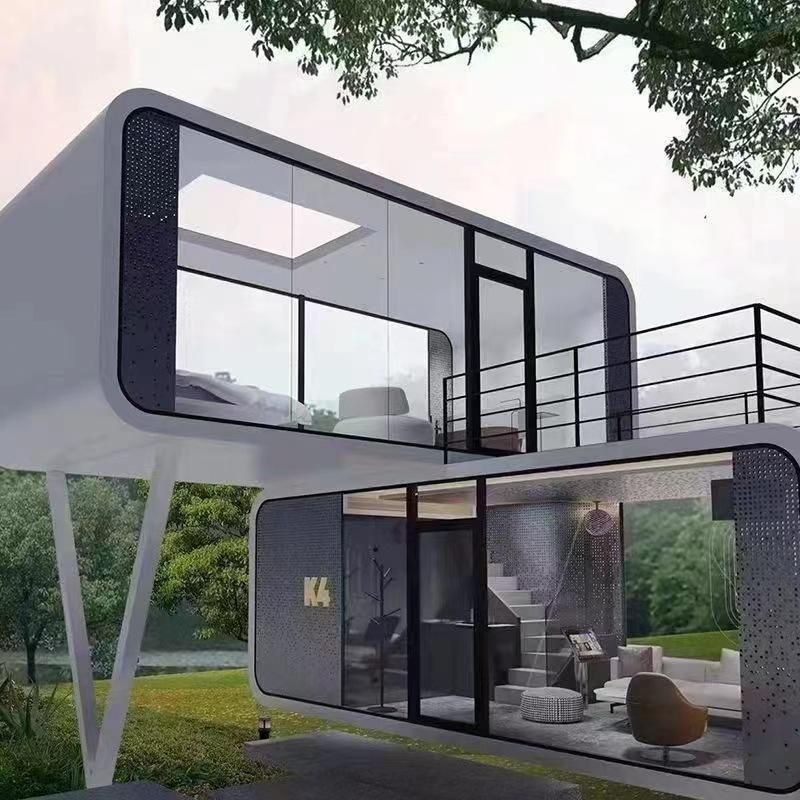
I. Basic Composition A mobile hoisting mobile toilet typically consists of a fecal sewage storage tank (or disposal unit), flooring, sanitary ware, walls, washing equipment, water tanks, roofs, and mobile devices. These components are prefabricated in the factory. On-site, they only need to be landed as a whole using hoisting equipment and connected to water and electricity supplies before they can be put into use, greatly shortening the construction cycle and reducing construction costs.
II. Core Features
- Standardized Dimensions: Common dimensions are a width of 1.4 meters or 1.6 meters, a length of 2.5 meters, and a height of 2.45 meters, with the ability to adjust dimensions according to actual needs.
- Lightweight and Durable Materials: Made of lightweight yet high-strength materials such as fiberglass and polyethylene, these toilets offer corrosion resistance and leak-proof performance while supporting customized designs in terms of color, material, and size.
- Convenient Mobility: They can be hoisted as a whole using cranes, allowing for repeated disassembly and relocation to different sites, meeting both fixed and temporary usage requirements.
- Environmental Adaptability: The structure provides thermal insulation and leak-proof functions, with strong resistance to wind, snow, and weather conditions. Some products are optimized for special environments such as plateaus and extremely cold regions. For example, customized products provided by Qinghai Tongchuang Kiosk Manufacturer can be adapted for plateau scenic spots.
III. Typical Application Scenarios These toilets are widely used in scenic spots, stations, docks, construction sites, city squares, and other places. For example, the Lanzhou Yellow River Scenic Line has gradually put such facilities into use through hoisting methods, effectively solving the problem of tourists' toilet needs. In temporary events (such as music festivals and sports events), their rapid deployment and flexible relocation characteristics also significantly improve site management efficiency.
IV. Functional Expandability Some high-end models are equipped with open washing areas, makeup mirrors, barrier-free facilities, etc., further meeting diverse usage needs. Their modular design also supports integration with environmentally friendly technologies such as solar power supply and sewage recycling treatment, promoting the development of public toilets towards a green and low-carbon direction.



