
Mobile Double Toilet Installation Guide
The installation guide for mobile double toilets can be divided into three stages: pre-installation preparation, on-site installation, and post-installation inspection and maintenance. The specific steps are as follows:
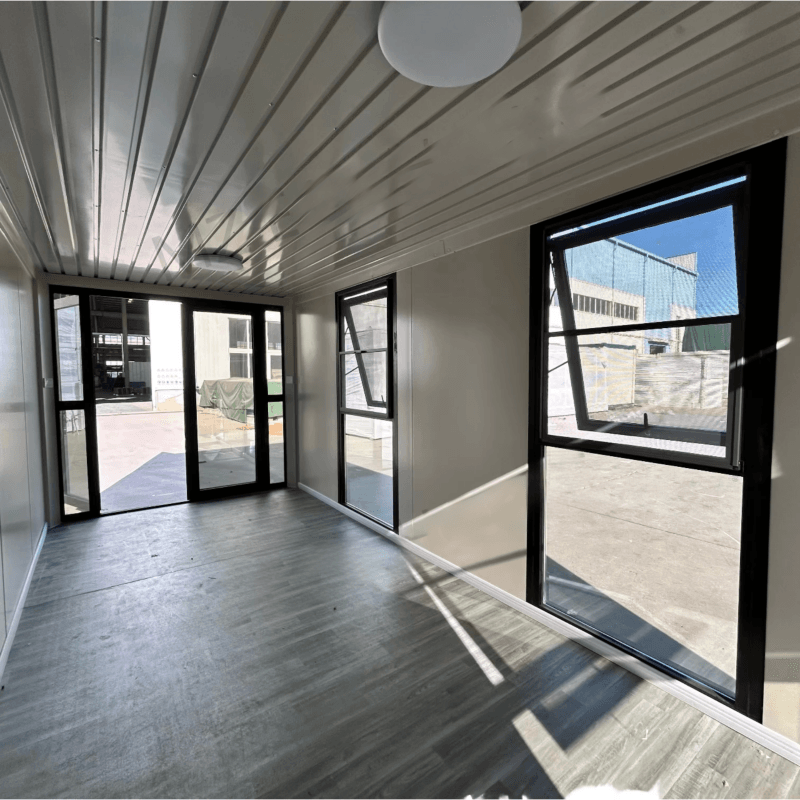
I. Pre-installation Preparation
Site Assessment and Treatment: Choose a flat and solid ground, away from main construction roads and pollution sources. If the ground is soft, compact it or pour a concrete foundation. At the same time, confirm the location of the septic tank or sewage pipe interface and reserve space for vehicle access and lifting equipment operation. Equipment and Material Inspection: Check whether components such as the toilet cabin, roof, pipe interfaces, and fasteners are complete. Confirm that the cabin surface and internal facilities are not damaged during transportation. Tool and Personnel Preparation: Prepare lifting equipment (such as a crane), wrenches, spirit levels, electric drills, and other tools. Ensure that operators have relevant experience and are familiar with safety operating procedures.
II. On-site Installation Steps
Foundation Positioning and Leveling: Use measuring tools to mark the positions of the four corners of the toilet. Lift the cabin slowly and move it to the predetermined position. After landing, use a spirit level to measure the levelness. If there is any tilt, use shims to make fine adjustments until it is completely level. Cabin Connection and Fixing: Place the two independent cabins in position and level them. Connect them firmly using dedicated connectors and apply sealant for waterproofing at the connections. Depending on the site conditions, fix the toilet with expansion bolts (for concrete foundations) or ground anchors (for muddy ground). Pipe System Connection: Connect the sewage pipe to the preset septic tank or sewage pipe, ensuring a tight and leak-free interface. If there is a water supply system designed, connect the water supply pipe and check whether the water pipe joints are tight. Finally, conduct a water flow test to observe for any leakage. Electrical System Connection (if applicable): Have a professional electrician connect electrical equipment such as lighting and exhaust fans. Ensure that the power cords are connected firmly, the insulation is properly treated, and grounding protection is provided.
III. Post-installation Inspection and Maintenance
Internal and External Inspection: Open the door to check whether internal facilities (such as washbasins, hooks, and toilet paper holders) are firmly installed. Check the exterior for the tightness of the cabin to ensure there are no water or air leaks. Usage and Maintenance Tips: For daily cleaning, assign a dedicated person to clean the toilet every day, replenish consumables such as toilet paper and hand soap, and disinfect regularly. For regular maintenance, inspect the equipment circuits, valves, and flushing systems every month. Report for repair immediately if any abnormal noise or malfunction is found. For safety reminders, set up obvious signs around the toilet to prevent personnel collisions, keep it away from flammable and explosive materials, and ensure electrical safety.



