
Quay lại blog
Bài viết
Mobile Door Toilet Partition Wall
Quản trị 28 tháng 9, 2026
The mobile door toilet partition wall is a common design form for achieving dry-wet separation in bathrooms, meeting functional and aesthetic needs through different forms, materials, and design considerations. The following elaborates on these aspects from three perspectives: form, material, and design considerations:
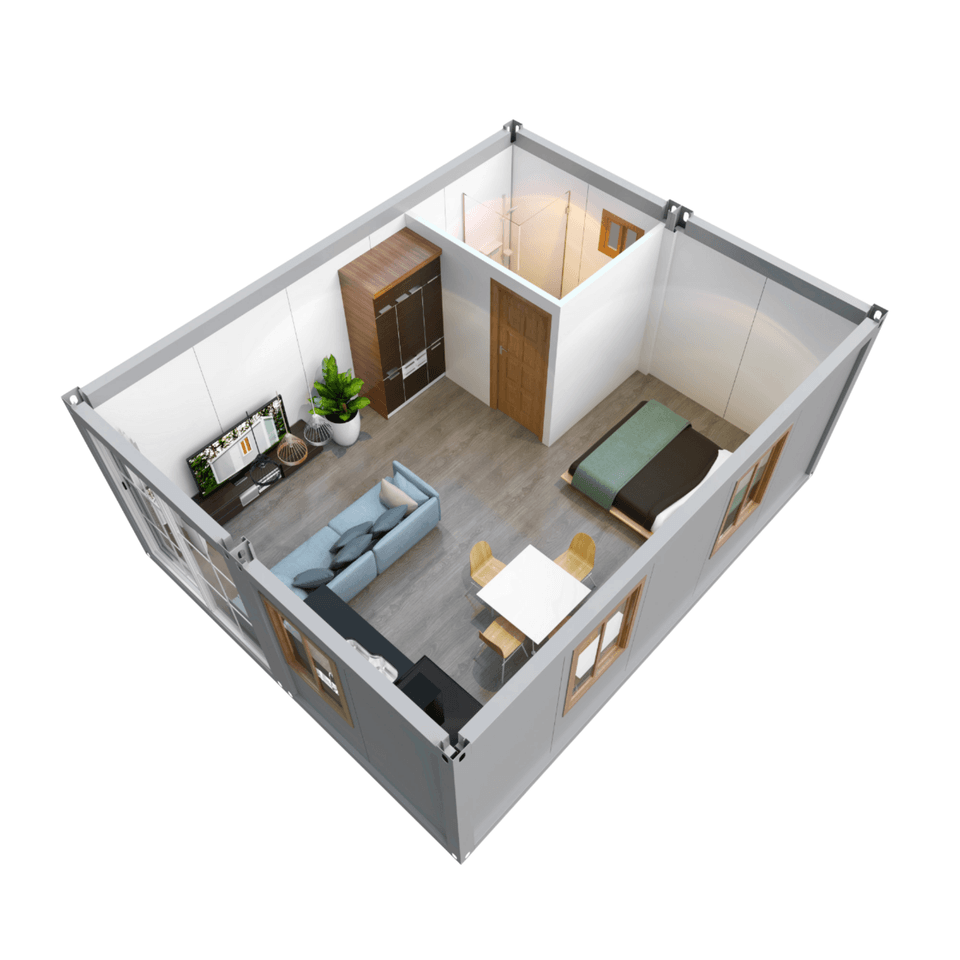
I. Common Design Forms
- Glass Sliding Door Partition: Suitable for elongated bathrooms, this design uses a glass sliding door to separate the bath cabinet from the wet area, allowing the bath cabinet to be placed outside. Its advantages include simple structure and space-saving, but it has poor sealing, allowing water vapor to escape easily.
- Glass Partition with Swing Door Design: When internal space permits, a glass partition combined with a swing door offers better sealing than a sliding door, effectively blocking water vapor and suitable for scenarios with high moisture resistance requirements.
- Combination of Fixed Glass and Swing Door: This design combines fixed glass with a swing door to further enhance sealing while maintaining spatial transparency, often used in bathrooms with high dry-wet separation requirements.
II. Common Material Choices
- Compact Laminate Honeycomb Partition Wallboard: This material is moisture-resistant and corrosion-resistant, suitable for public bathrooms in shopping malls and schools, capable of withstanding high humidity environments for extended periods.
- Stainless Steel: Often used in modern minimalist styles, such as living room foyers and bedroom partitions, its luxurious texture and durability make it a preferred material for metal partitions.
- Glass: Widely used in sliding doors and partitions, glass can be transparent or frosted to balance lighting and privacy, serving as the core material for dry-wet separation in bathrooms.
III. Key Design Considerations
- Dry-Wet Separation Function: By placing the bath cabinet outside the partition, this design prevents toothbrushes and towels from sharing space with the toilet, reducing bacterial cross-infection and resolving usage conflicts among family members.
- Lighting Optimization: For bathrooms with insufficient lighting, methods such as increasing glass area, using door-connected windows to introduce light, hollow designs, or half-wall combinations with glass can enhance spatial brightness.
- Sealing Considerations: Choose the sealing level based on needs; sliding doors are suitable for quick drainage scenarios, while swing doors or combined designs are more appropriate for areas with high moisture resistance requirements.
- Cost Control: The cost of directly building a wall with a swing glass door is usually lower than that of a pure glass sliding door or full glass partition, requiring a comprehensive decision based on budget and functionality.
The design of mobile door toilet partition walls should balance practicality, aesthetics, and cost-effectiveness. By reasonably selecting forms, materials, and optimizing details, an efficient and comfortable bathroom space can be created.



