
Quay lại blog
Bài viết
Mobile Container House Square
Quản trị 17 tháng 9, 2026
A mobile container house square is a distinctive commercial or public space primarily composed of mobile container houses, characterized by flexibility, efficiency, and personalization, and applicable to various scenarios.
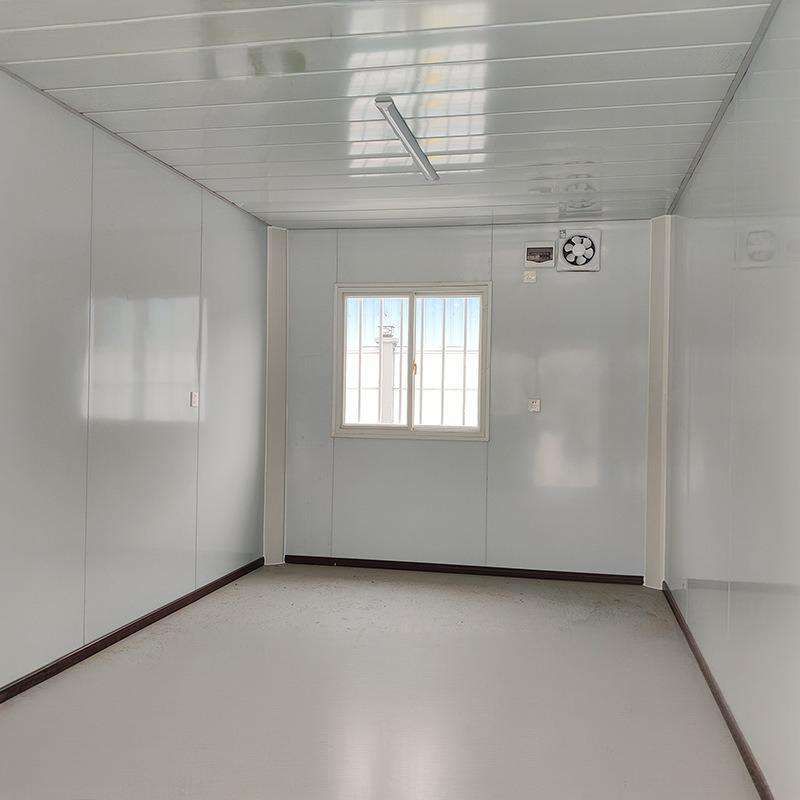
1. Application Scenarios and Functions
The core of a mobile container house square lies in mobile container houses. These building modules can be quickly assembled and disassembled, and possess earthquake and wind resistance capabilities, making them suitable for temporary or semi-permanent use. Their application scenarios include:
- Commercial Temporary Spaces: Such as pop-up stores, exhibition booths, brand promotion events, etc. They can be rapidly set up and flexibly adjusted in layout to meet short-term commercial needs.
- Distinctive Commercial Entities: 24-hour gyms, trendy milk tea shops, container homestays, etc. Through modular combinations, they form unique commercial forms that attract consumers.
- Public Activity Spaces: Such as cultural markets, art exhibitions, outdoor music festivals, etc. The industrial design of containers can be combined with the event theme to create an atmosphere.
- Emergency or Transitional Venues: In scenarios like post-disaster reconstruction and temporary medical stations, container houses can quickly provide safe and fully functional spaces.
2. Core Advantages
- Rapid Installation and Mobility: Container houses adopt standardized designs, enabling quick assembly within a short time and overall relocation, reducing site constraints.
- Structural Safety: Steel frames and reinforced designs endow them with earthquake and wind resistance capabilities, adapting to different climatic conditions.
- Personalized Customization: They support customization of exterior painting, interior layout, and functional modules (such as doors, windows, and partitions) to meet diverse needs.
- Environmental Protection and Sustainability: Some products use recyclable materials and can be reused, reducing construction waste.
3. Design Considerations
- Spatial Planning: Container modules should be reasonably laid out according to functional requirements. For example, a commercial square can be set up with a main entrance, exhibition area, and rest area.
- Connection and Stability: Containers should be fixed with bolts or welding to ensure overall structural stability, while considering details such as drainage and ventilation.
- Appearance and Theme: Utilize the industrial feel of containers and combine elements such as lighting, green plants, and art installations to create a unique visual effect.
Through modular design, mobile container house squares achieve a balance between functionality and aesthetics, becoming flexible and efficient commercial and public space solutions in modern cities.



