
Mobile Container House Small Size
The small size of mobile container houses is typically dominated by 20-foot standard containers, with internal dimensions of approximately 5867×2330×2350mm, and non-standard sizes such as 3m×6m can also be customized. Here are the specific details:
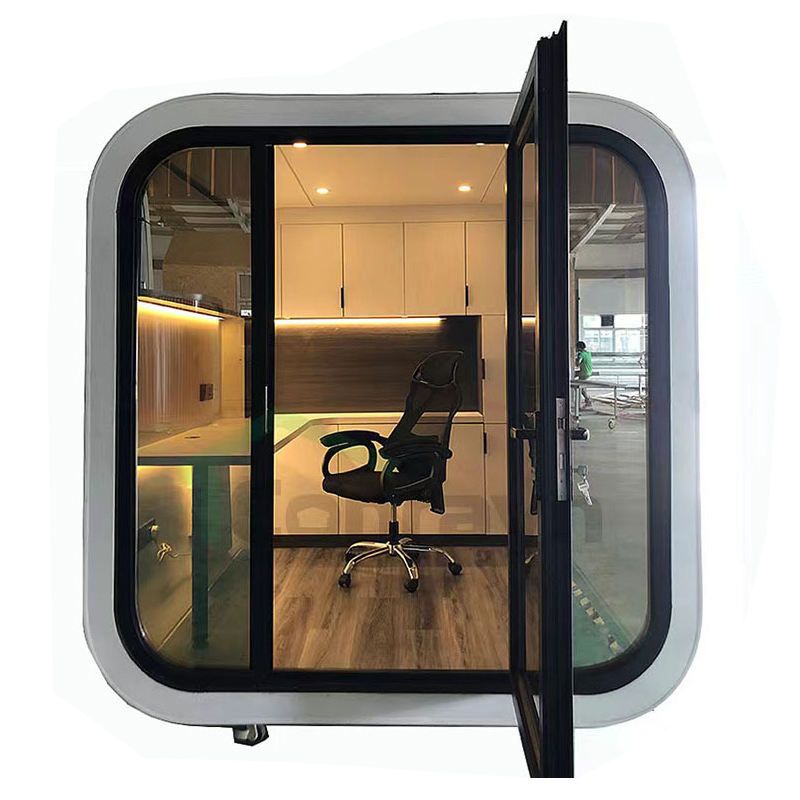
I. Standard Sizes
The mainstream sizes of mobile container houses are based on the transformation of international standard shipping containers, with the 20-foot standard container (20GP) being the most common. Its external dimensions are 6058×2438×2591mm, and the internal net dimensions are approximately 5867×2330×2350mm (length×width×height), with a volume of about 33 cubic meters. Such sizes are suitable for single-person offices, dormitories, or small shops, featuring a compact spatial layout but complete functionality, accommodating basic living facilities.
II. Non-Standard Custom Sizes
To meet diverse needs, manufacturers offer flexible non-standard customization services:
- Length Adjustment: Common custom lengths include 3m, 6m, 8m, 12m, etc. For example, a combination of 3m×6m can form an 18-square-meter living space, suitable for 2-3 people.
- Width and Height Optimization: Width options include 2.5m, 2.55m, 3m, 4m, etc., and height can be adjusted to 2.6m-2.9m to accommodate different scenarios' ceiling height requirements (such as exhibition halls or designs with lofts).
- Special Scenario Design: For outdoor coffee bars, pop-up shops, etc., micro containers of 10 feet (approximately 3m×2.4m) can be customized, integrating functional modules such as workstations and storage areas.
III. Core Principles for Size Selection
- Functional Adaptability: Determine spatial requirements based on usage, such as prioritizing per capita area for temporary dormitories and focusing on the division of work and storage areas for mobile offices.
- Transportation and Installation Constraints: Non-standard sizes may affect transportation costs (such as requiring special permits for oversized widths) and on-site lifting conditions, necessitating confirmation of logistics plans with manufacturers in advance.
- Cost-Effectiveness Balance: Standard sizes, due to lower mass production costs, are typically 10%-30% cheaper than non-standard customizations, but non-standard designs can more precisely match site requirements.
IV. Typical Application Cases
- 20-Foot Standard Container: A prefabricated villa product offered by a manufacturer, with internal divisions for a bedroom, bathroom, and kitchen, starting at approximately 435.95 yuan/square meter (based on a minimum order quantity of 8 square meters).
- 3m×6m Custom Model: A mobile home office launched by a Shanghai trading company, featuring a steel frame and sandwich panel structure, with a minimum order quantity of 18 square meters and a unit price of approximately 375.59 yuan/square meter.
- 10-Foot Micro Container: Suitable for outdoor pop-up shops, integrating lighting, power supply, and brand display areas, with a minimum order quantity of 6 square meters and a unit price ranging from approximately 1136.37 to 1203.21 yuan/square meter.
It is recommended to choose standard sizes or non-standard customizations based on actual needs and to prioritize verifying the manufacturer's qualifications (such as IICL certification) and case experience to ensure product quality and after-sales service.



