
Mobile Automatic Public Toilet
A mobile automatic public toilet is a facility that can be moved as a whole and provides toilet services to the public. It is suitable for various locations, and some designs even feature intelligent cleaning functions.
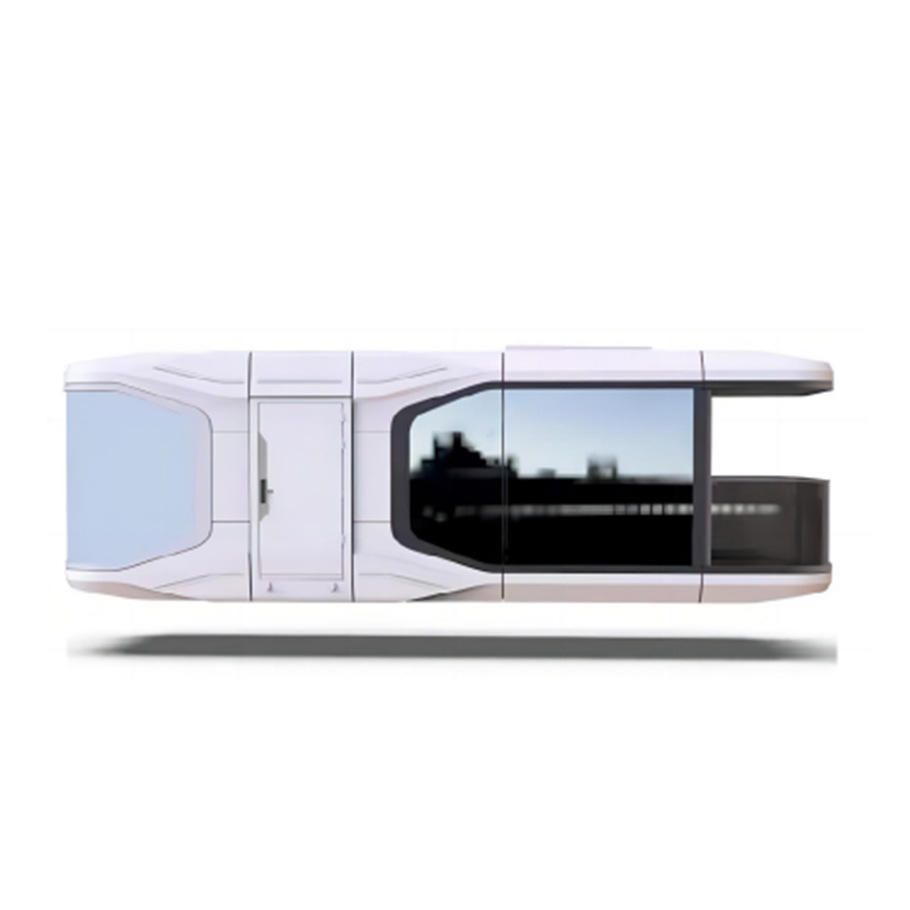
Definition and Characteristics
Mobile automatic public toilets have the characteristic of overall mobility. They can be set up at different locations or venues according to fixed or temporary needs. Some designs are compact and intelligent, with comprehensive internal configurations such as feces collection systems, hand-washing basins, smart mirrors, and breathing lights. They are ready to use once purchased after being fully assembled in the factory, offering convenience and speed.
Example of Intelligent Cleaning
Take the fully automatic rotating public toilet invented in the Netherlands as an example. It houses two toilet bowls inside and focuses on seamless rotation for use. When a person steps out of the cabin, the entire cleaning process starts simultaneously. The floor initiates a full flushing mode, with all kinds of waste being washed into an underground collection bin. Paired with permeable brick floors, it can quickly restore dryness and leave no traces. At the same time, the public toilet rotates 180 degrees in place and钻进 (this Chinese word may not be accurately translated here, perhaps it means 'moves into') its dedicated cleaning chamber behind it. Multi-directional nozzles first evenly spread the cleaning agent, followed by high-pressure water jets that thoroughly clean both inside and outside without any dead spots. Finally, a high-pressure air pump quickly dries it. The entire process is completed in one go, and the toilet bowls are spotless in just a few seconds. This intelligent cleaning design not only improves cleaning efficiency but also ensures the hygiene of the public toilet, providing a better toilet environment for users.
Suitable Locations
Mobile automatic public toilets are suitable for a variety of locations, including stations, docks, tourist attractions, villa areas, newly built residential communities, large construction sites, squares, densely populated public places, and bustling commercial streets. At stations and docks, they can meet the temporary toilet needs of a large number of travelers. In tourist attractions, they provide convenient toilet services for tourists, enhancing the tourism experience. On large construction sites, they are convenient for workers to use. In squares and densely populated areas like bustling commercial streets, they can effectively alleviate the shortage of public toilet resources.



