
Middle East Prefabricated Assembled Houses
Prefabricated assembled houses in the Middle East are developing rapidly, demonstrating outstanding performance in project applications, construction methods, and environmental benefits.
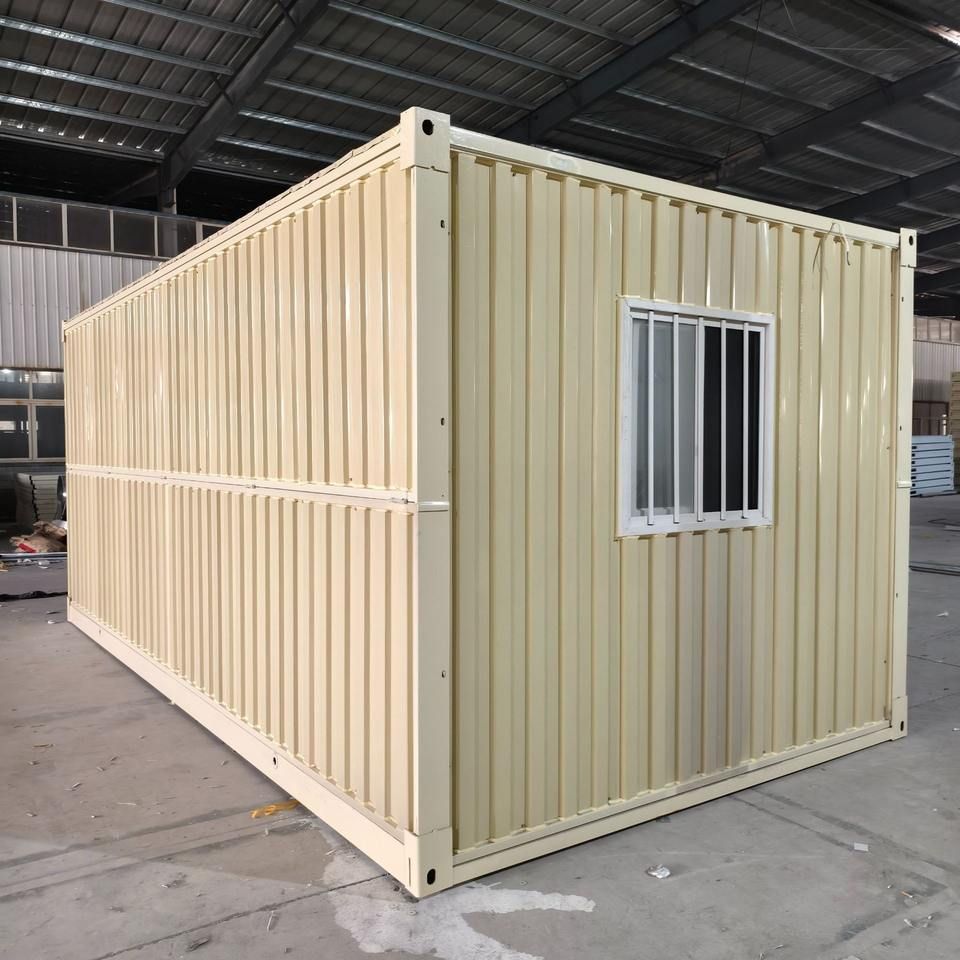
Remarkable achievements in project applications: The third phase of the Saida Project in Riyadh, Saudi Arabia, is a typical example. This project requires the construction of 6,796 villas, with the hoisting and construction of approximately 208,000 prefabricated components for 1,894 villas fully completed and successfully capped. This is the largest single project in the overseas housing construction sector of China Communications Construction Group, utilizing a fully prefabricated construction method. Additionally, CIMC Modular Building Systems has made new progress in Saudi Arabia, with the shipment of its Riyadh Earth Boutique Hotel project in Saudi Arabia scheduled for 2026. CIMC Modular Building Systems has successfully implemented over 200 projects worldwide, with its products and services covering more than 20 countries and regions, including Saudi Arabia, showcasing the extensive international influence of prefabricated assembled houses in the Middle East.
Advanced and efficient construction methods: Taking CIMC Modular Building Systems as an example, it breaks down a building into standardized modules, with the factory prefabrication rate for a single building exceeding 90%. All processes, including structural welding, plumbing, heating, ventilation, fire protection pipelines, and wall finishing, are completed in one go in the workshop. All prefabricated components are produced by the first smart factory for prefabricated buildings in the Middle East, independently constructed by China Harbour Engineering Company. This factory enables intelligent management throughout the entire process from design and production to warehousing, significantly improving construction efficiency and quality.
Outstanding environmental benefits: The CIMC Modular Building Systems solution offers significant advantages in terms of environmental protection. Adopting this solution can reduce construction waste by more than 75%, effectively lowering the environmental pollution caused by construction debris. At the same time, it can also reduce material waste by more than 25%, improving material utilization. During the construction phase, carbon emissions can be reduced by approximately 50% to 66%, helping to mitigate global climate change and aligning with the concept of sustainable development.



