
Making Mobile Toilet Tutorial
You can refer to the following steps to make a mobile toilet:
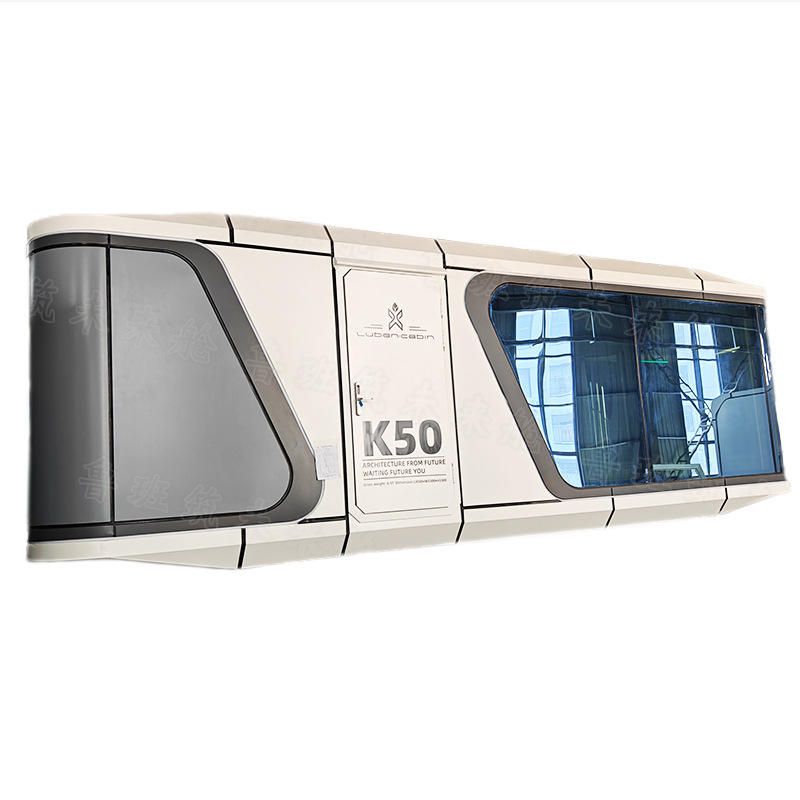
Design and Planning
Clarify the purpose of the toilet, the usage environment, and its expected lifespan. Consider stability and ensure it through reasonable structural design and center-of-gravity calculation. Plan the internal space layout, taking into account both user privacy and ease of movement. Determine the fecal matter treatment plan, with common options including packaged disposal, circulating water flushing, and biodegradation.
Material Selection
- Main structural materials: Fiberglass is corrosion-resistant and easy to shape, but costly. Stainless steel is sturdy, durable, and highly corrosion-resistant, but heavy and expensive. Aluminum alloy is lightweight and easy to transport, but slightly less strong. Plastic is low-cost and lightweight, but requires attention to long-term aging resistance and structural strength.
- Internal fittings: Toilets, water tanks, flushing devices, lighting, and ventilation facilities should be durable, water-saving, and easy to maintain. For the flushing system, options include foot-operated or sensor-based types. The ventilation system should effectively remove odors.
Main Frame Construction
Based on the design drawings, cut, weld, or assemble the selected structural materials to form the overall framework. Ensure the frame has sufficient strength to withstand stresses during transportation and use. When welding steel or aluminum alloy frames, ensure the welds are firm and free of cold welds. After completion, perform rust and corrosion prevention treatments to extend the lifespan. If a sloped roof is designed, consider top drainage issues. For example, when using a water storage tank, split the tank in half, fix universal wheels at the four corners of a wooden board, and use wooden strips to fix them on the upper side of the tank to increase height.
Wall Panel and Roof Installation
Wall panels are often made of color-coated steel sheets, aluminum-plastic panels, or composite panels, which offer some thermal insulation properties. Pay attention to sealing the joints between panels during installation to prevent rainwater leakage. In addition to waterproofing, roof installation should also consider thermal insulation and load-bearing capacity. In cold regions, thermal insulation layers can be added. If solar panels are designed for power supply, reserve installation positions and interfaces on the roof. For example, in the water storage tank construction case, embed plastic soft panels between wooden strips to form walls, and place the upper half of the water storage tank on top of the wooden strips as the roof.
Internal Facility Installation
- Sanitary ware installation: If using a water storage tank, drill a hole at the bottom of the tank to install a drain pipe to form a floor drain. Drill holes on the side and bottom of a plastic bucket to connect interfaces and place it on the roof as a small water storage device. Install toilets, water tanks, washbasins, etc., and connect the drain pipes properly.
- Other facility installation: Install lighting, ventilation, and other facilities to complete the functions of the mobile toilet.



