
Maji Mobile Toilet
Currently, there is no direct public information available about the 'Maji Mobile Toilet'. The following provides a popular science introduction on the common types, application scenarios, and design features of mobile toilets:
Common Types
Mobile toilets can be classified into various types based on different technical principles and structural characteristics. Packing-type mobile toilets collect and pack feces using biodegradable plastic bags, eliminating the need for external water sources and sewage pipes. After use, the packed feces bags can be removed and disposed of, making them suitable for places without water supply and drainage facilities. Foam-type mobile toilets use foam generated by foaming liquid to cover the inner walls of the toilet bowl, preventing odor emission and reducing water consumption. Each flush only requires a small amount of water to wash the foam into the collection tank, commonly used in scenic spots and exhibitions with high environmental requirements. Microbial degradation mobile toilets rely on microorganisms to decompose and transform feces into harmless substances, such as carbon dioxide, water, and a small amount of organic fertilizer, offering advantages in environmental protection and energy conservation, suitable for long-term use in areas with strict environmental requirements.
Application Scenarios
Mobile toilets have a wide range of application scenarios. At large-scale event venues, such as music festivals and sports events, where a large number of people gather in a short period, the existing fixed toilets cannot meet the demand. Mobile toilets can be quickly deployed to solve people's toilet problems. In tourist attractions, some remote or underdeveloped areas lack fixed sanitation facilities, and mobile toilets can provide convenience for tourists while reducing damage to the natural environment. On construction sites, where there are many workers with high mobility, mobile toilets can be flexibly adjusted according to the construction progress and worker distribution to meet their daily needs.
Design Features
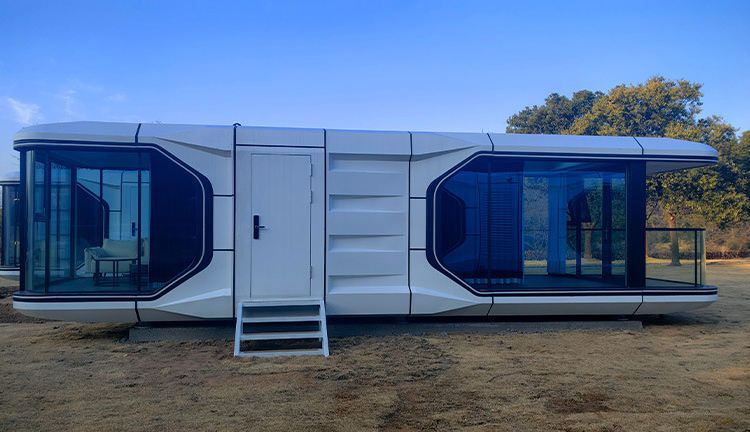
Mobile toilets usually have mobility, with a structural design that facilitates overall handling and installation, allowing them to be quickly transferred to different locations according to actual needs. Environmental protection and energy conservation are also important features, as many mobile toilets adopt water-saving and energy-saving technologies to reduce water consumption and environmental impact. In addition, the exterior design of mobile toilets is becoming increasingly diverse, enabling them to harmonize with the surrounding environment and enhance overall aesthetics.



