
Luxury Container House
The luxury container house is a modular building that uses high-quality materials, features high-end design, and has multiple functional application scenarios. It is commonly used in cultural and tourism homestays, commercial facilities, and high-end temporary buildings, combining aesthetics, comfort, and mobility.
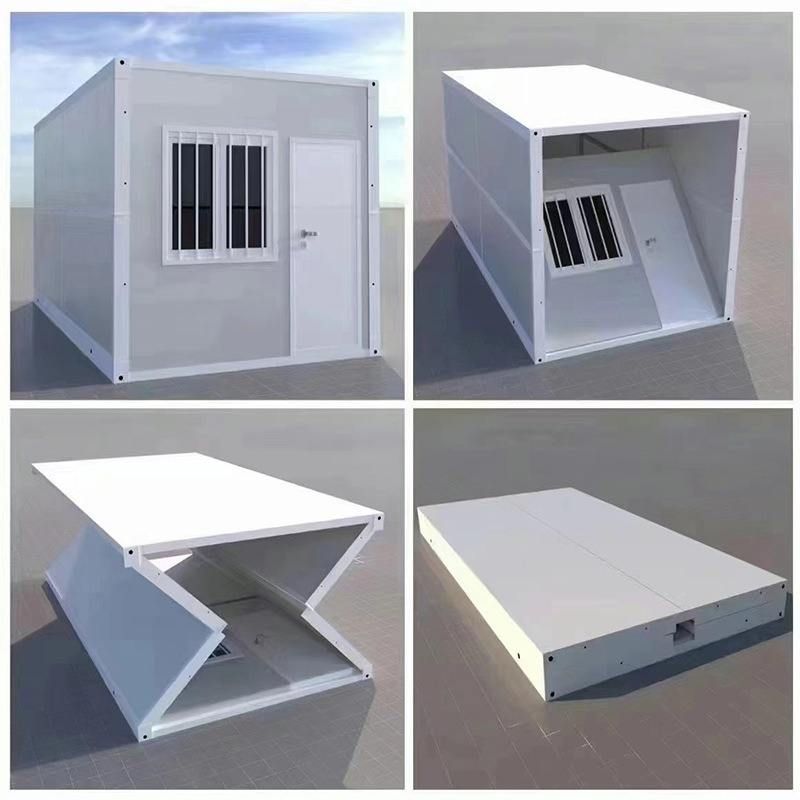
I. Core Features
Materials and Craftsmanship
It employs a high-strength steel frame (such as galvanized steel) and eco-friendly insulation materials (such as rock wool sandwich panels) to ensure structural stability and thermal performance. Some products use broken-bridge lining structures or three-layer constructions (outer layer of galvanized sheet, middle layer of rock wool, inner layer of PVC-coated steel plate) to effectively reduce heat conduction and enhance winter insulation. In terms of welding processes, leading manufacturers (such as Suzhou Zhongnan Steel Structure) use automatic welding, with weld strength meeting the GB/T 19001-2016 standard, providing excellent wind and earthquake resistance (e.g., frame deformation ≤ 2mm under 12-level strong winds).Design Flexibility
It supports modular assembly and personalized exterior customization, adaptable to diverse scenarios such as engineering camps, mobile commerce, and cultural tourism accommodations. For example, European-style modern homestay container houses can be extended with balconies to meet the needs of popular homestays; glass curtain wall project office containers enhance spatial transparency through transparent materials.Functional Integration
The interior features a scientific functional layout, integrating modules for bathrooms, kitchens, and living areas, and using convertible furniture (such as wall-mounted folding tables and drop-down beds) for efficient space utilization. Some products are also equipped with self-circulating sewage systems (such as sewage collection tanks and gravity separators), suitable for wild environments without water or electricity.
II. Application Scenarios
High-End Cultural and Tourism Homestays
For example, the "40-foot double-wing expandable container house" achieves space expansion through a double-wing folding design, paired with luxurious interiors, becoming a popular choice for rural self-built houses or网红 (internet-famous) homestays.Commercial Facilities
In scenarios such as mobile bookstores and outdoor commercial street container shops, luxury container houses attract foot traffic through customized exteriors (such as glass walls and creative coatings) while meeting rapid deployment needs.Temporary Office and Accommodation
Standardized products (such as those from CIMC Modular Building Investment Co., Ltd.) are used in construction project offices and emergency support, shortening construction periods through prefabricated assembly and offering multiple disassembly and reassembly capabilities (average reuse times ≥ 8).
III. Market Trends
Low-Carbon Circulation
Products from leading manufacturers support low-carbon circulation throughout their lifecycle, reducing construction waste emissions by approximately 90% compared to traditional fixed temporary buildings and achieving higher resource utilization.Compliance and Internationalization
Export products must pass international certifications such as CE and ISO and meet standards for fire resistance (B1 level or above) and wind and earthquake resistance (GB50011-2010) to meet overseas market demands.Expansion of Scenario Versatility
High-quality modular products adapt to more scenarios through functional modifications (such as interior space reorganization and personalized exteriors), enhancing market competitiveness.



