
Quay lại blog
Bài viết
Luxi Mobile Toilet Installation
Quản trị 07 tháng 10, 2026
The installation of mobile toilets in Luxi needs to be carried out in combination with specific types (such as waterless type and ordinary mobile type) and the on-site environment. Although there are currently no direct cases for Luxi, the general installation process and precautions can be referred to.
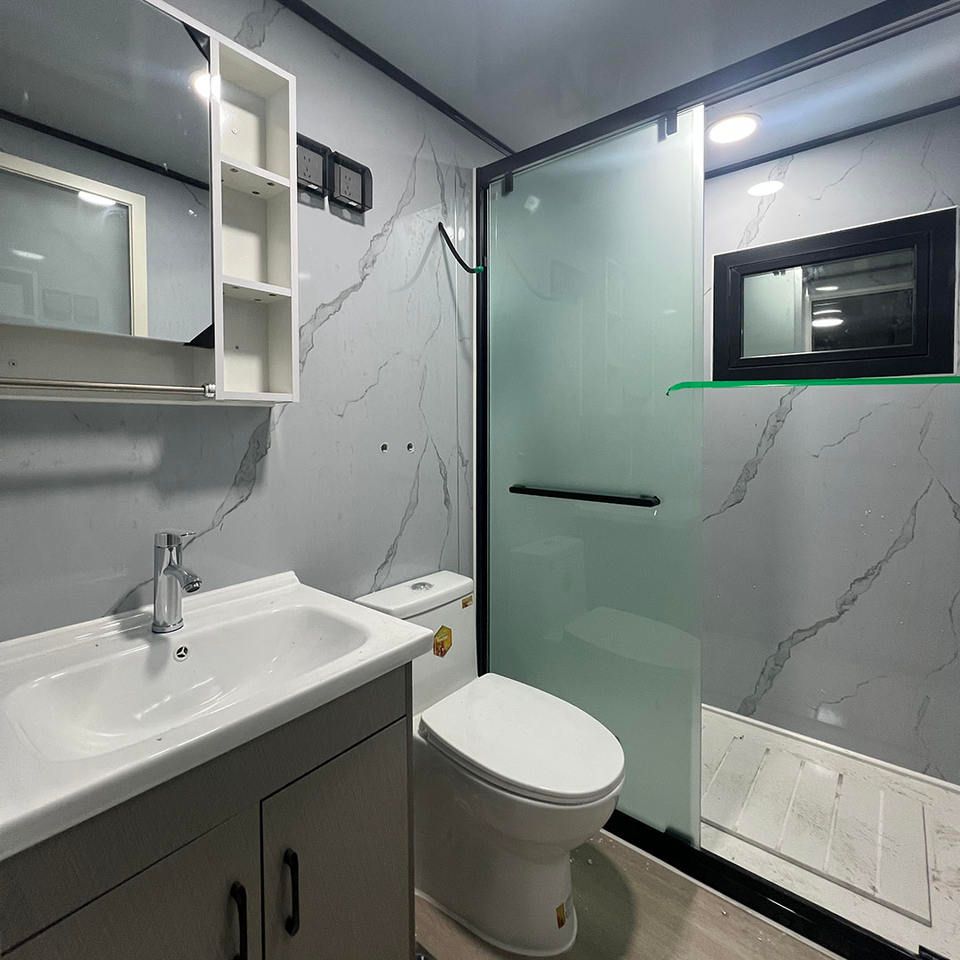
I. Pre-installation Preparations
- Site Assessment
It is necessary to confirm whether the bearing capacity of the foundation at the installation location meets the requirements. For example, if a waterless mobile toilet adopts a steel frame structure, the foundation needs to be level and able to bear the self-weight of the equipment (usually about 1-3 tons). For an ordinary mobile toilet, it is necessary to ensure that the ground is dry and non-slip to avoid equipment tilting or damage due to an uneven ground. - Equipment Inspection
Before installation, it is required to check the equipment model and the completeness of accessories. For example, for the waterless type, it is necessary to check whether biological degradants, incinerators (if it is an incineration type) or waterless treatment modules are complete. For an ordinary mobile toilet, it is necessary to confirm that accessories such as the upper and lower toilet bodies, silicone non-slip pads, and buckles are not missing or damaged. - Tool Preparation
Prepare tools according to the equipment type. The waterless type may require an electric drill, a wrench, etc. for fixing the frame. An ordinary mobile toilet only requires simple tools such as a screwdriver for assembly.
II. General Installation Process
- Installation of Waterless Mobile Toilets
- Frame Fixing: If it is a steel frame or an aluminum alloy frame, it is necessary to first locate the installation points and fix the frame to the ground using expansion bolts, ensuring that the levelness error is ≤ 5mm.
- Skin Installation: Cover the frame with fiberglass-reinforced plastic or stainless steel skins and fix them with rivets or screws. Pay attention to the tightness to prevent odor leakage.
- Functional Module Connection: According to the technical principle (for example, the biological degradation type needs to be connected to the bacterial inoculum feeding port, and the incineration type needs to be connected to the smoke exhaust pipe), complete the electrical or mechanical connection of the internal modules and test the operating status.
- Installation of Ordinary Mobile Toilets
- Non-slip Treatment: Install silicone non-slip pads into the four corners at the bottom to ensure stable contact with the ground.
- Toilet Body Assembly: Align the upper and lower toilet bodies, press the buckles downwards until they are fastened, and check whether the sealing ring is installed in place to prevent leakage.
- Sewage Pipe Connection: If it is necessary to connect to an external sewage pipe, use a special connector for connection and ensure that the pipe slope is ≥ 2% to facilitate emptying.
III. Key Precautions
- Environmental Adaptability
If the Luxi area is a plateau or a humid environment, it is necessary to select corrosion-resistant materials (such as stainless steel skins) and strengthen the sealing treatment. If it is a low-temperature area, it is necessary to insulate the biological degradation module or incinerator of the waterless type. - Safety Regulations
Power off during the installation process to avoid electric shock. If work at height is involved (such as installing a roof vent), wear a safety harness and set up a protective net. - Acceptance Criteria
After the installation is completed, functional tests are required, including flushing (if it is a water-flushing type), odor control, structural stability, etc., to ensure compliance with the relevant requirements of the Design Standard for Urban Public Toilets (CJJ 14-2016).



