
Luquan Mobile Toilet Must-See
When choosing mobile toilets in Luquan, it is necessary to comprehensively consider scene requirements, type characteristics, and site planning. The following provides an explanation from three aspects: type selection, optimization directions, and site planning.
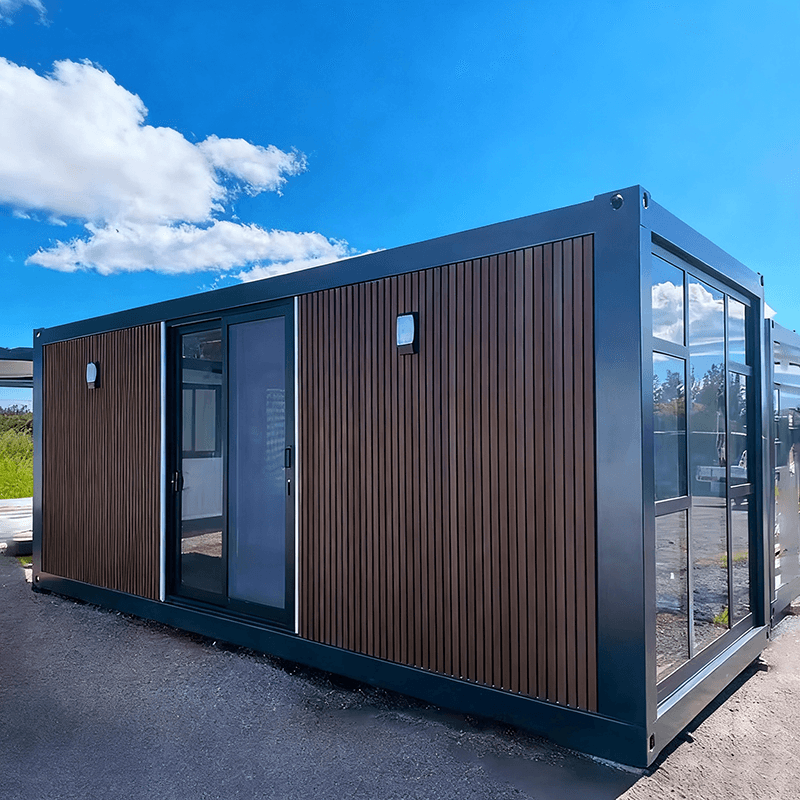
I. Selecting Mobile Toilet Types Based on Usage Scenarios There are three common types of mobile toilets in Luquan, which need to be matched according to actual needs:
- Single/Double-Person Standalone Units: Suitable for small-scale events or scenarios with low foot traffic, such as community cultural festivals and temporary markets. Their advantages lie in their small footprint and flexible installation, but they cannot meet the needs of multiple people using them simultaneously.
- Multi-Compartment Combination Units: Designed for high-foot-traffic scenarios such as large-scale events or construction sites, these units achieve efficient分流 (diversion) through the combination of multiple independent compartments, avoiding queues and congestion. For example, in the renovation of tourist public toilets in Zhuanlong Town, if the capacity of the original fixed public toilets is insufficient, such mobile toilets can be added as a supplement.
- High-End Customized Units: Suitable for scenic spots and other places with high requirements for environmental harmony. These toilets use eco-friendly materials (such as biodegradable panels), are equipped with fragrance systems and smart sensing devices, and even incorporate regional cultural elements to seamlessly blend with the surrounding landscape. If Zhuanlong Town needs to further enhance its tourism image, such facilities can be deployed around core scenic spots.
II. Optimizing Mobile Toilet Functions with Reference to Zhuanlong Town's Experience The renovation of tourist public toilets in Zhuanlong Town provides a practical example for the upgrading of mobile toilets:
- External Environment Integration: Clear surrounding clutter, plant more than 2,000 green plants such as osmanthus and weeping crabapples to beautify the environment and enhance the user experience; plan parking spaces and set up stone tables and benches to transform the toilet area into a rest spot for tourists; add water boilers to provide free hot water, demonstrating humanized service.
- Internal Facility Maintenance: Regularly inspect lighting fixtures, sinks, water and electricity lines to ensure basic functionality; arrange for dedicated personnel to clean and disinfect daily to avoid odors and bacterial growth, meeting public health standards.
- Management Mechanism Upgrades: Take the "Toilet Revolution" as a starting point, establish a regular inspection system to consolidate construction achievements; monitor usage frequency through a digital platform and dynamically adjust cleaning frequencies to improve management efficiency.
III. Scientifically Planning Mobile Toilet Sites Site selection needs to comprehensively consider foot traffic distribution, supply convenience, and waste removal routes:
- Foot Traffic Analysis: Prioritize deployment in tourist-dense areas such as scenic spot entrances, viewing platforms, and dining areas to avoid low utilization rates due to remote locations.
- Supply and Waste Removal: Be close to water and electricity interfaces and sewage pipes to reduce operating costs; if the site is remote, configure independent water storage tanks and septic tanks and plan dedicated waste removal vehicle routes to prevent secondary pollution.
- Safety and Aesthetics: Avoid steep slopes and low-lying areas to prevent rainwater backflow; ensure the exterior design is consistent with the surrounding architectural style to avoid a jarring appearance. For example, if Zhuanlong Town adds toilets near ancient villages, wooden structures or blue-tile roofs can be used to blend in with the traditional style.



