
Types of Mobile Toilets in Linyi
The types of mobile toilets in Linyi mainly include the following categories:
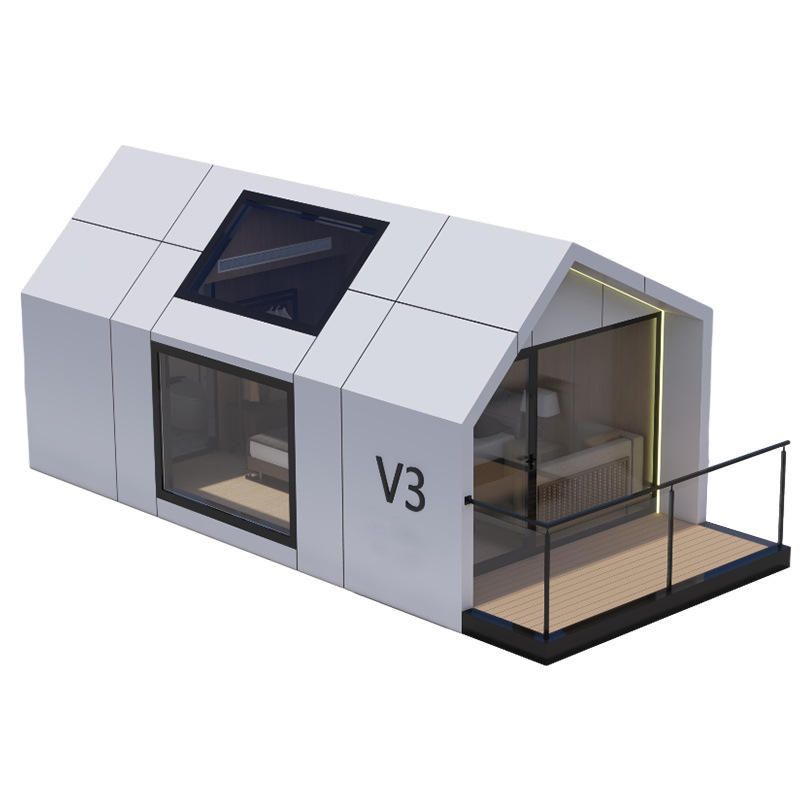
From the perspective of structural form, mobile toilets in Linyi can be divided into single-unit structures and composite structures. Single-unit mobile toilets are typically independent units with relatively simple structures and small footprints, suitable for scenarios with limited space or low demand for toilet numbers, such as small outdoor event sites and temporary construction sites. Composite mobile toilets are composed of multiple functional modules, offering more spacious interiors and richer functions. They can be equipped with multiple toilet stalls, sinks, management rooms, etc., meeting the usage needs of large crowds and are commonly found in large scenic spots, municipal squares, and other densely populated areas.
In terms of mobility, there are lifting/handling mobile toilets and powered/trailer-mounted mobile toilets. Lifting/handling mobile toilets do not have the ability to move on their own and require lifting and handling equipment such as cranes and forklifts for relocation. These toilets generally have sturdy structures and are suitable for long-term fixed use at a location, but can be moved using professional equipment when necessary. Powered/trailer-mounted mobile toilets, on the other hand, have their own power units or can be towed by vehicles, offering good mobility and the ability to quickly move to different locations as needed. They are commonly used in highly mobile events such as music festivals and sports events.
Based on sewage treatment methods, mobile toilets can be classified into water-flush and non-water-flush suction-type mobile toilets, circulating water-flush mobile toilets, and dry-packing mobile toilets. Water-flush and non-water-flush suction-type mobile toilets discharge feces and other waste through water flushing or suction, which is relatively convenient for treatment but requires a certain amount of water resources. Circulating water-flush mobile toilets use a circulating water system to reuse treated water for flushing, effectively conserving water resources and suitable for areas with relatively scarce water resources. Dry-packing mobile toilets do not require water; feces and other waste are collected in specially designed packing bags, which can be simply removed for disposal. They have the advantages of being environmentally friendly and convenient, and are commonly used in arid areas or places with high environmental protection requirements.
In addition, there are also specially designed mobile toilets. These toilets, through unique exterior designs, structural optimizations, and functional integrations, can adapt to scenarios such as scenic spots, municipal squares, and cultural tourism campsites that have high requirements for visual image. While meeting usage functions, they can also become a unique landscape.



