
Quay lại blog
Bài viết
Linxia Outdoor Mobile Toilet Installation
Quản trị 02 tháng 10, 2026
The installation of outdoor mobile toilets in Linxia requires selecting the corresponding process based on the type and paying special attention to specific technical parameters. It can be divided into two categories: general mobile toilets and modular mobile toilets. The installation points and technical requirements are as follows:
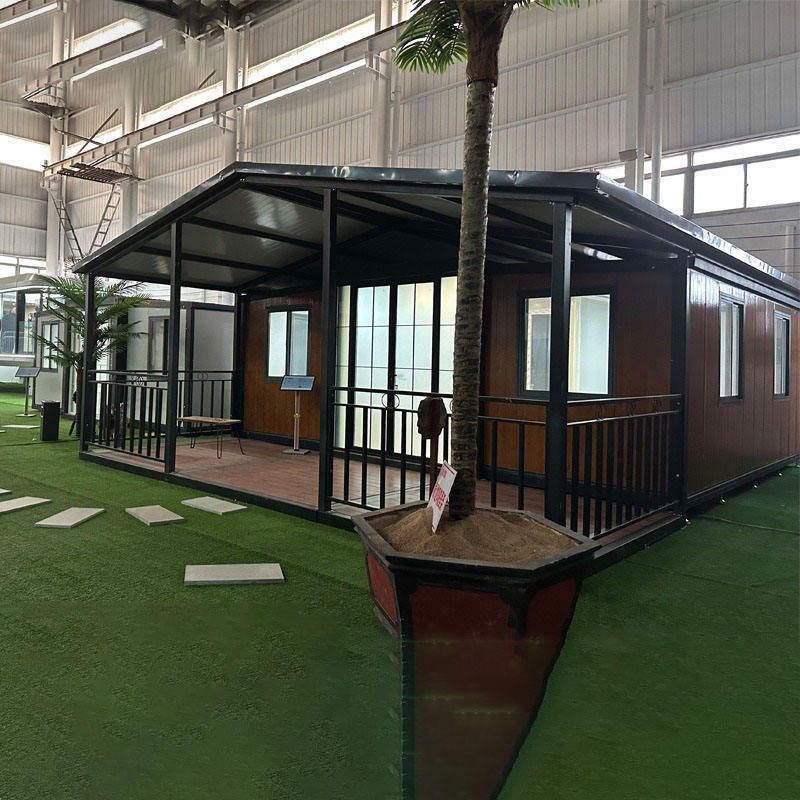
I. Installation Process for General Mobile Toilets
- Foundation Treatment: The installation area needs to be leveled, and the foundation bearing capacity should be ensured to be uniform through compaction testing to avoid box deformation or pipe breakage due to ground settlement.
- Box Body Hoisting: Use lifting equipment to accurately place the prefabricated box body on the foundation, and calibrate the levelness to prevent tilting or poor drainage during subsequent use.
- Pipe Connection and Insulation: Sewage pipes and water supply pipes should be connected using sealed joints and equipped with insulation layers (such as rubber-plastic insulation pipes) to cope with the low-temperature environment in Linxia in winter and prevent pipe freezing and cracking.
- Equipment Debugging: After completing the water and electricity connections, test the functions of the flushing system, lighting, ventilation, and other equipment to ensure normal operation.
II. Assembly Points for Modular Mobile Toilets
- Steel Chassis Positioning: The chassis is pre-welded with sewage pipe connection flanges, and the position needs to be calibrated using a laser level to ensure precise对接 (docking) with subsequent modules.
- Frame Assembly: Install the columns, horizontal support beams, and floor frames in sequence. All connection points should be fixed with galvanized bolts, and the bolt torque should meet the design standards (e.g., M12 bolt torque ≥ 45N·m) to ensure structural stability.
- Wall Panel and Roof Installation: The wall panels are嵌合 (inlaid) with the frame using waterproof sealing strips, and the edge slots should be fully咬合 (engaged). The roof ventilation pipes and the reserved holes in the wall panels are connected using flexible pipes and tightened with stainless steel clamps to prevent air leakage or rainwater infiltration.
- Module Connection Mechanism: The frame connection adopts male and female tenons配合 (matched) with pins for locking, allowing ±3-degree angle adjustment to adapt to the terrain. The panel connection relies on a hidden hook system with a hook spacing of 30 centimeters for quick assembly and disassembly. The pipe connection uses quick-connect joints, and the internal rubber seals complete the sealing by rotating 90 degrees, which is convenient to operate and highly sealed.
III. Special Technical Parameter Requirements for the Linxia Region
- UV Resistance Level of Box Body Materials: Due to the strong UV radiation in high-altitude areas, materials with a UV resistance level of ≥ UV400 (such as glass-reinforced plastic with added titanium dioxide) should be selected to delay material aging.
- Low-Temperature Adaptability of the Sewage System: Low-temperature-resistant sewage pipes (such as PE-RT pipes with a minimum operating temperature of -40°C) and anti-freezing septic tanks should be used to ensure normal emptying in winter.
- Strength of Wind-Resistant Fixing Devices: Ground anchors or counterweights should be designed according to the local maximum wind speed (e.g., the average annual wind speed in Linxia is 2.3m/s, and the instantaneous maximum wind speed may exceed 20m/s) to ensure a wind resistance level of ≥ Grade 12.



