
Lijiang Mobile Toilet Technology
The technology of mobile toilets in Lijiang covers multiple aspects including frame structure, exterior wall materials, interior filling, waterproofing and moisture resistance, interior facilities, sanitation treatment techniques, and environmental adaptability.
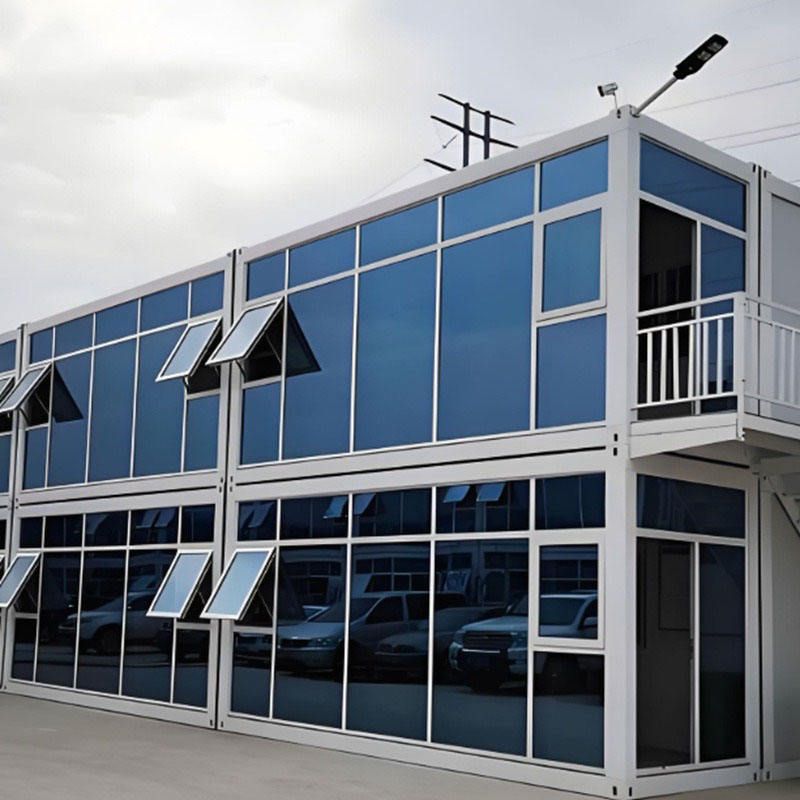
Frame Structure: The main frame is made of thickened hot-dip galvanized square tubes and processed through integral full-welding technology. This design ensures that the mobile toilet has sufficient wind pressure and deformation resistance when placed outdoors for long periods, while also being resistant to rust and corrosion, thereby extending its service life.
Exterior Wall Materials: Lijiang is located on a plateau with strong ultraviolet radiation from sunlight and large temperature differences between day and night. Therefore, the exterior wall materials need to be weather-resistant, able to withstand intense sunlight, and not prone to peeling or fading. Common wall materials include metal carved panels, aluminum-plastic panels, color-coated steel sheets, and new fiberglass-reinforced plastic materials, all of which can well adapt to the climatic conditions in Lijiang.
Interior Filling: The interior of the walls is filled with high-density fire-resistant rock wool. This material not only has good thermal insulation properties but also effectively reduces noise, providing a comfortable usage environment for users.
Waterproofing and Moisture Resistance: The roof adopts a double-layer waterproof structure with widened rain eaves, and the panel is set with a reasonable drainage slope. All joint seams are sealed with high-quality weather-resistant sealant to ensure no leakage from the roof. The bottom is equipped with a thickened load-bearing chassis and undergoes overall anti-seepage sealing treatment to prevent leakage from the source. The floor material is selected as slip-resistant, wear-resistant, and waterproof fiberglass grating or slip-resistant patterned steel plates, with strict waterproof sealing treatment underneath and floor drains connected to sewage pipes.
Interior Facilities: Standard equipment includes slip-resistant floors, tempered glass windows, ventilation louvers, and enclosed protective doors to ensure safety and cleanliness during use. The ventilation system usually adopts forced exhaust to directly discharge odors to purification devices or high altitudes; lighting mostly uses low-power LED light sources, which are energy-saving and environmentally friendly.
Sanitation Treatment Techniques: These include water-flushing, waterless flushing and packing, microbial degradation, and foam sealing methods, among others, which can be selected according to actual needs.
Environmental Adaptability: For cold regions, the wall insulation layer needs to be thickened, and the pipes need to have electric tracing anti-freezing design; in coastal or high-humidity regions, materials with stronger corrosion resistance are used, such as stainless steel components or steel materials that have undergone special anti-corrosion treatment.



