
Light Steel Structure Mobile Toilet
The light steel structure mobile toilet is an environmentally friendly facility that uses hot-dip galvanized steel keels as its main frame, paired with colored coated steel plates or composite insulation panels. It features lightweight, modular design, and flexible adaptability.
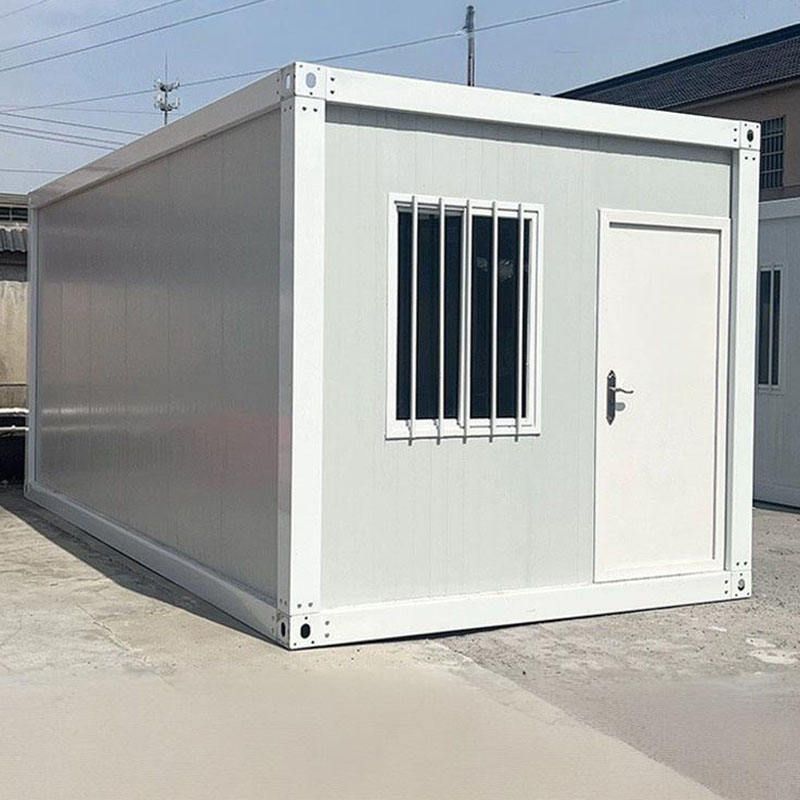
Core Structure and Process
The main frame of the light steel structure mobile toilet is made of hot-dip galvanized steel keels (material specification ≥ Q235B) and is produced through factory-based modular prefabrication. Skeleton welding, panel cladding, and pipeline embedding are all completed in standardized workshops, with production precision controlled to the millimeter level. On-site, it is fixed with high-strength bolts and synchronized with the connection of water supply and drainage systems and energy-saving equipment. This process reduces on-site wet work, shortens the construction period by more than 50% compared to traditional toilets, and reduces the main body weight by about 60% compared to brick-concrete structures, significantly improving earthquake and wind resistance and adapting to complex geological conditions (such as soft soil foundations and slopes).
Core Advantages
- Durability and Corrosion Resistance: The main material is selected from Q235B and above steel, combined with fluorocarbon spraying or electrostatic powder coating processes, ensuring a main structure lifespan of more than 15 years and effectively resisting corrosive environments such as humidity and salt spray.
- Flexibility and Relocatability: Internal partitions, toilet layouts, and exterior designs can be adjusted according to peak customer flow (such as during peak tourist seasons) or site constraints (such as narrow streets). The entire unit supports lifting or forklift transfer, allowing for quick relocation to new locations after project completion and reducing repeated construction costs.
- Sewage Interface Adaptability: Multiple sewage interfaces are reserved, including vacuum extraction, ecological degradation, and direct connection to septic tanks, to match environmental emission standards in different regions (such as freeze-proof design in cold regions and odorless treatment in tourist areas).
- Construction Efficiency: Modular design enables “plug-and-play” installation without the need for concrete pouring, making it particularly suitable for temporary demand scenarios (such as events and exhibitions).
Application Scenarios
It covers various fields, including municipal sanitation (subway hubs, park squares), cultural and tourism resorts (mountain scenic spots, camping bases), large-scale events (marathons, music festivals), rural revitalization (rural toilet revolution), and infrastructure camps (highway construction, rail transit). For example, in plateau scenic spots above 3,000 meters in altitude, its lightweight structure reduces foundation treatment costs; in coastal humid areas, the anti-corrosion coating extends its service life to 20 years.
Purchase Considerations
- Steel Quality: The skeleton wall thickness should be ≥ 1.5mm, avoiding the use of thin-walled galvanized pipes (which are prone to corrosion); prioritize materials with surface fluorocarbon spraying or electrostatic powder treatment.
- Thermal Insulation Performance: The recommended thickness of the wall panel sandwich layer is 40-75mm, with a thermal conductivity coefficient ≤ 0.03W/(m·K), ensuring winter freeze protection and summer heat insulation.
- Sewage System: Choose the interface type according to the usage scenario (such as ecological degradation suitable for areas without sewers and vacuum extraction suitable for high-density pedestrian scenarios).



