
Kuai Ke Container House
Kuai Ke container house, also known as container model house, container room, residential container, or container residence, is a modular building product with characteristics such as environmental protection, energy efficiency, flexible combination, and convenient disassembly and transportation. However, it has many fire safety hazards.
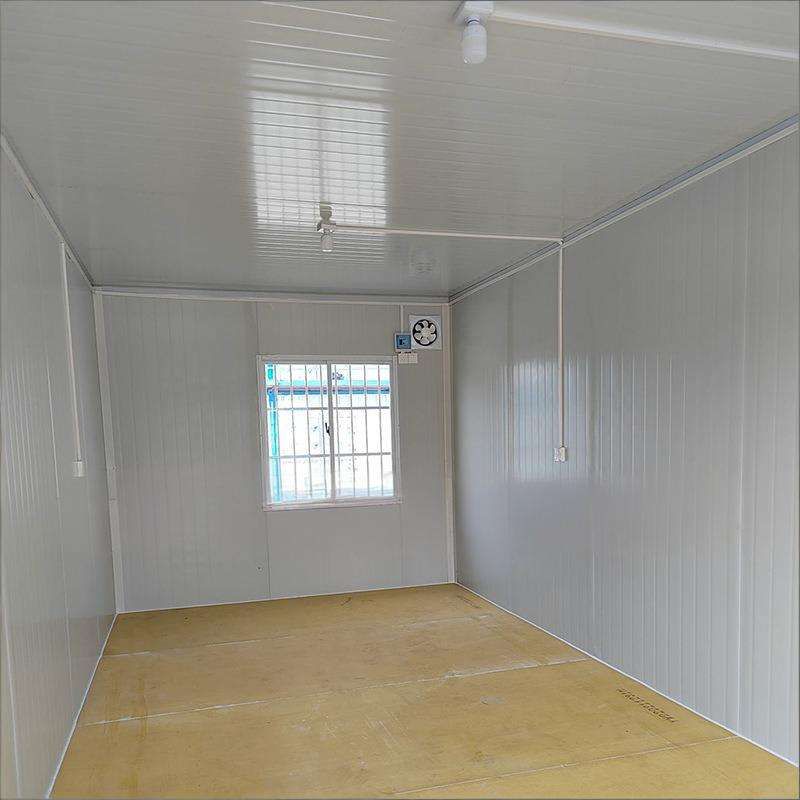
I. Basic Characteristics
Container houses resemble containers and are commonly used as workers' dormitories on construction sites. They are also used for field operations housing, office buildings, temporary housing in tourist attractions, and even rental housing. Manufactured in batches on standardized production lines, their core processes include steel structure frame welding, wall and roof panel prefabrication, and internal water and electricity pipeline embedding. After most processes are completed in the factory, they are transported to the site for rapid assembly, effectively shortening the construction period, reducing on-site wet work, ensuring component accuracy, and having the characteristics of repeatable disassembly and turnover use, offering cost advantages in scenarios such as temporary construction on construction sites and emergency housing.
II. Common Types
Common container house products are mainly divided into several categories:
- Packing-box container houses: With hot-dip galvanized cold-formed steel sections as the frame and fire-resistant polyurethane sandwich panels, they have thermal insulation and fire resistance properties. They can be used independently or stacked in multiple layers, suitable for construction site dormitories, office areas, and temporary meeting rooms.
- Light steel keel houses: Using cold-formed thin-walled light steel keels as the load-bearing structure and filled with thermal insulation materials in the walls, their appearance and house type can be flexibly customized, suitable for self-built houses, homestays, and supporting housing in scenic spots.
- Functional guard booths and supporting housing: Their size and internal layout can be adjusted according to actual needs, commonly used in scenarios such as security guard booths, property guard booths, and environmental protection public toilets.
III. Safety Hazards
To save costs, some container houses use flammable materials such as polystyrene and polyurethane foam for the core materials, resulting in poor fire safety. Sparks from electrical welding and cigarette butts can ignite them. Once flammable and combustible sandwich materials catch fire, they burn rapidly and produce molten deformation and dripping at 80°C, which can trigger more severe combustion, and the combustion products are highly toxic. After a fire breaks out, the flames spread extremely fast, and the houses are prone to collapse. When fighting fires in houses wrapped in iron sheets, it is difficult for water cannons to shoot water into the interior, increasing the difficulty of fire fighting and rescue. When polystyrene and polyurethane burn, they are accompanied by thick black smoke, and toxic smoke gathers inside the rooms, making it difficult for trapped people to survive and prone to casualties.



