
Kashi Container House Construction
The construction of container houses in Kashi is centered around modular and prefabricated approaches, integrating local climate characteristics and market demands to form a construction model that enables rapid deployment, flexible application, and cost control.
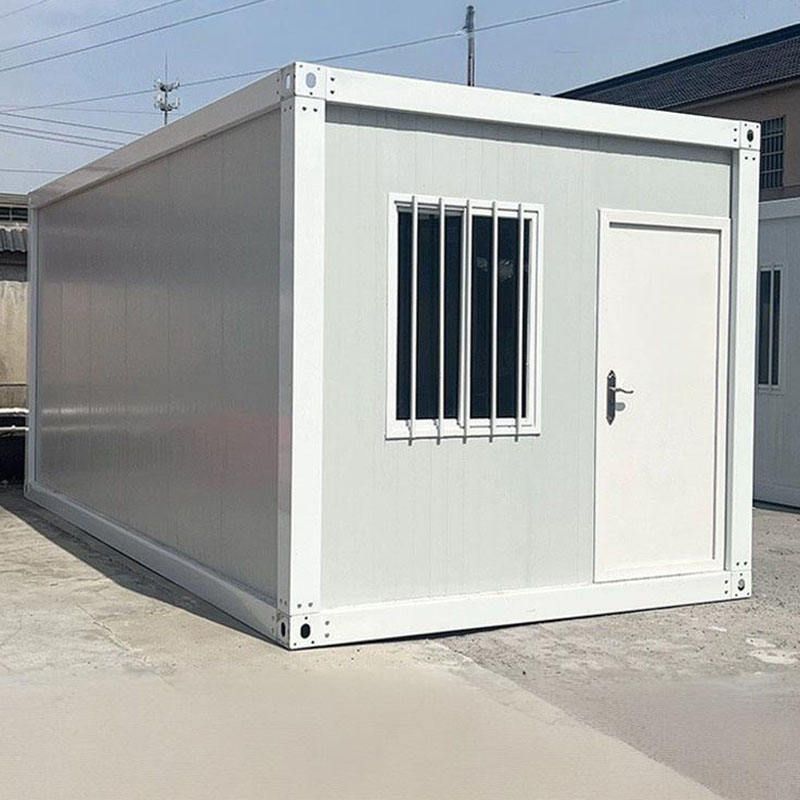
I. Construction Model and Core Advantages Container houses in Kashi adopt a 'factory prefabrication + on-site assembly' model, where processes such as wall construction, door and window installation, and water and electricity piping are standardized and integrated in the workshop. This reduces on-site wet work, shortens the construction period, and minimizes weather impacts. Their steel structural frames (such as hot-rolled steel sections or light steel structures) and color-steel sandwich panel enclosure systems endow the houses with excellent wind and earthquake resistance, enabling them to withstand strong winds, sandstorms, and significant temperature variations in the Kashi region. For example, a two-story K-type container house can be erected within a few days, meeting the needs of projects with tight schedules.
II. Material and Process Adaptability In response to Kashi's arid climate, heavy sandstorms, and significant temperature variations, the selection of materials for these houses emphasizes the combination of high-strength steel and high-quality insulation materials. Color-steel sandwich panels provide good thermal insulation, ensuring a stable indoor environment. Standardized production processes guarantee the dimensional accuracy of components, enhancing on-site assembly efficiency. Some manufacturers, such as Xinjiang Zhongxincheng Color Steel Structure Co., Ltd., also offer refurbishment services for used containers, extending their service life through reinforcement and modification, thereby reducing customer costs.
III. Diversified Application Scenarios The application of container houses in Kashi has expanded from traditional temporary buildings to multiple fields:
- Engineering Sector: Serving as office buildings for project departments, dormitories for management personnel, or high-standard canteens, these houses support enterprises in relocating with project progress, avoiding repeated investments.
- Energy and Mining Industries: As camp houses for field operations, they provide livable spaces for employees far from towns.
- Cultural Tourism and Commerce: Refurbished into characteristic commercial exhibition halls, temporary reception centers, or cultural tourism supporting facilities, they align with modern commercial atmospheres.
- Emergency Scenarios: Rapidly deployed as makeshift hospitals or emergency shelters, they meet urgent needs.
IV. Environmental Protection and Cost-Effectiveness Container houses can be relocated and reused as a whole, reducing construction waste generation and aligning with green construction principles. Although the initial investment is slightly higher than that of simple temporary buildings, long-term costs are lower through multiple turnovers. Manufacturers offer full lifecycle services, including scheme design, installation and commissioning, and after-sales maintenance, further reducing customer management costs.



