
Jincheng Traction-Type Mobile Toilet
Jincheng traction-type mobile toilets are primarily classified based on their structure, functionality, and waste treatment methods. The specific classifications and characteristics are as follows:
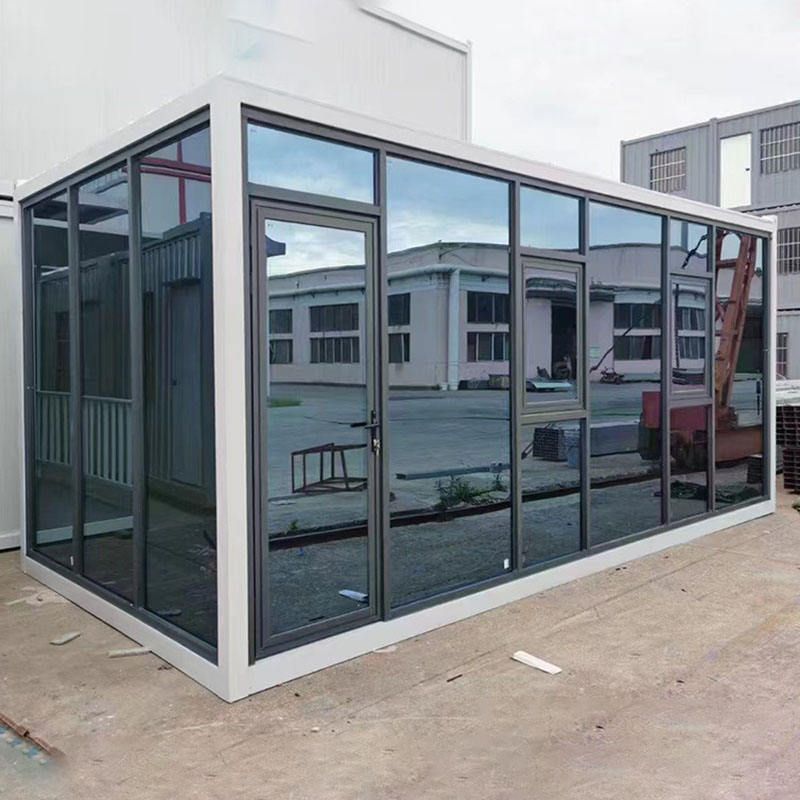
1. Facility Structure Classification
The structural design of traction-type mobile toilets directly affects their suitability for transportation and usage scenarios, primarily divided into two types: integrated and modular.
Integrated Mobile Toilets feature an integrated design, with sanitary units (such as toilets and sinks) and waste storage equipment (such as fecal tanks and sewage tanks) fixed to a single towing chassis, eliminating the need for disassembly during transportation. These toilets are compact and easy to install, making them more suitable for short-term events (such as exhibitions and temporary gatherings), enabling rapid deployment and reducing on-site construction time.
Modular Mobile Toilets adopt a modular design, with components such as wall panels, roofs, and sanitary fixtures transported separately and quickly assembled on-site using bolts or clips. These toilets allow for flexible replacement of components, making them suitable for long-term fixed locations (such as scenic spots and construction sites), facilitating maintenance and upgrades. For example, if a module is damaged, only the corresponding component needs to be replaced, eliminating the need for a complete toilet replacement.
2. Waste Treatment Technology Classification
Waste treatment technology is a core functional difference in traction-type mobile toilets, directly affecting water consumption, environmental friendliness, and applicable scenarios. Common technologies include the following three types:
Recirculating Flush Type utilizes a small purification device (such as a membrane bioreactor) to filter and disinfect flush water for reuse, with daily water consumption less than 10% of that of traditional toilets (approximately 0.3-0.5 liters per flush), suitable for water-scarce areas or long-term usage scenarios.
Biodegradable Type employs microbial decomposition technology, converting excreta into harmless substances such as carbon dioxide and water by adding specific bacterial strains, without the need for external water sources or sewage pipelines throughout the process, suitable for remote areas without water and electricity access (such as mountains and deserts).
Vacuum Collection Type uses negative pressure principles (such as vacuum pumps) to suction waste into storage tanks, requiring only 0.5 liters of water per flush, with waste stored sealed and odor-free, suitable for scenarios with high hygiene requirements (such as high-end exhibitions and temporary hospital facilities).
3. Additional Configuration Classification
Additional configurations are key to enhancing the user experience of mobile toilets and should be selected based on scenario requirements when renting:
Basic Configurations include ventilation systems (such as exhaust fans), lighting fixtures (such as LED lights), and accessibility features (such as handrails and ramps), meeting basic usage needs.
Upgraded Configurations include solar power modules that can supply power to the toilet through photovoltaic panels, supporting continuous operation for 72 hours in areas without a power grid, suitable for field operations or emergency scenarios; insulated models add insulation layers and heating elements, maintaining an internal temperature of ≥5°C in -20°C low-temperature environments, suitable for use in northern winters.



