
Quay lại blog
Bài viết
Jincheng Sea Freight Container House Customization
Quản trị 15 tháng 9, 2026
Jincheng offers customized sea freight container house services, with the customization process covering the entire chain of design, production, and installation. The product types are diverse and support personalized needs. The following is an elaboration from three aspects: customization process, product types, and selection points.
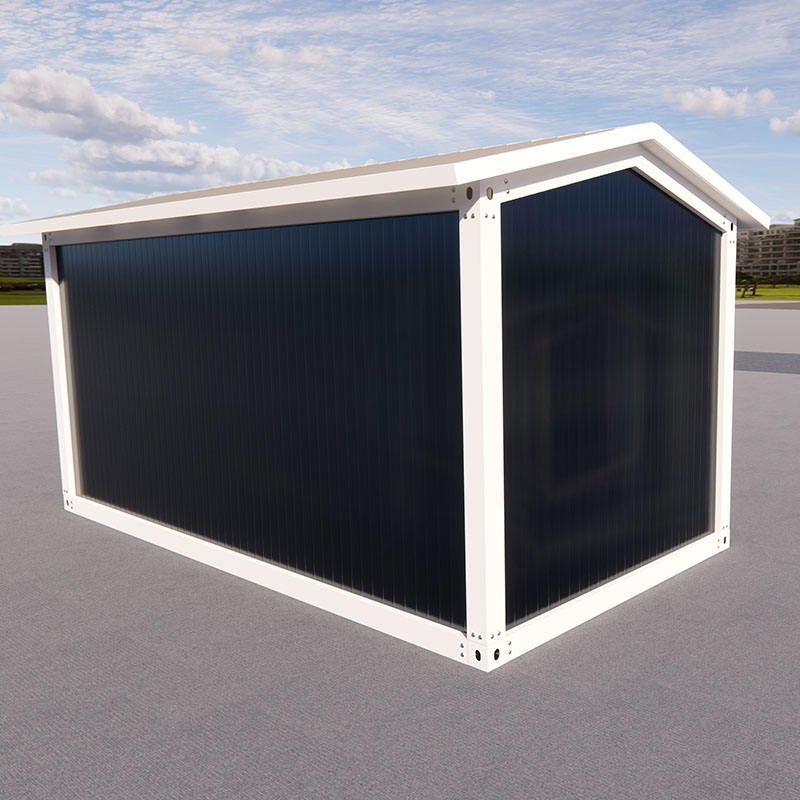
I. Customization Process
Container house customization usually follows a standardized process:
- Design Phase: Complete structural design and detailed drawings according to user needs, clarifying dimensions, functional zoning, and special requirements (such as fire protection and insulation levels). For example, cultural and tourism homestays need to consider appearance styling and interior comfort, while construction site dormitories focus on space utilization and cost.
- Production Phase: The factory adopts modular production, with core processes including steel structure frame welding, wall and roof panel prefabrication (commonly using rock wool, glass wool, or polyurethane sandwich panels), and pre-embedding of water and electricity pipelines. Some manufacturers conduct trial assembly to ensure component matching is error-free.
- Installation Phase: After the components are transported to the site, they are assembled through lifting, significantly shortening the construction period. For example, the installation of light steel keel houses requires only 6 workers to complete 200 square meters per day, and no secondary decoration is needed.
II. Product Types
Manufacturers in Jincheng and its surrounding areas offer various types of container houses to meet different scenario needs:
- Packing-box Container Houses: With hot-dip galvanized cold-formed steel frames and fire-resistant polyurethane sandwich panels, they are suitable for construction site dormitories, office areas, and temporary meeting rooms, supporting multi-story stacking combinations.
- Light Steel Keel Houses: Using cold-formed thin-walled light steel keels for load-bearing, with walls filled with insulation materials, their appearance and layout can be flexibly customized. They are commonly used in self-built houses, homestays, and scenic area supporting housing.
- Functional Kiosks: With adjustable dimensions and layouts, they are suitable for security kiosks, property kiosks, and environmental protection public toilets.
- Expandable Container Villas: Folded and retracted during transportation to reduce sea freight costs, they can double the indoor space through bilateral extension after landing, suitable for overseas orders or high-end temporary housing.
III. Selection Points
- Production Capacity: Pay attention to the maturity of the manufacturer's steel structure processing technology (such as whether the welding is full and free of cold welds), the fire rating of the wall panels (such as Class A rock wool panels), and whether they support customization of irregular dimensions.
- Service Scope: Prioritize local manufacturers to shorten the transportation period and confirm whether they provide a full-chain service from design to after-sales maintenance. For example, Wuhan Jinxiang Light Steel House Co., Ltd. has full-chain capabilities in the Hubei region and has delivered a total of 80,000 container houses.
- Materials and Performance: The structural steel needs to be rust-proof and corrosion-resistant (such as hot-dip galvanized treatment). The floor commonly uses cement fiber boards or steel-wood composite floors, and the walls and ceilings can use metal panels or calcium silicate boards to ensure that the insulation, sound insulation, and fire protection performance meet the standards.



