
How About Jinchang Container Houses
Jinchang container houses generally perform well, boasting advantages such as structural stability, flexibility, convenience, cost-effectiveness, and environmental friendliness. However, attention should be paid to details like thermal and sound insulation.
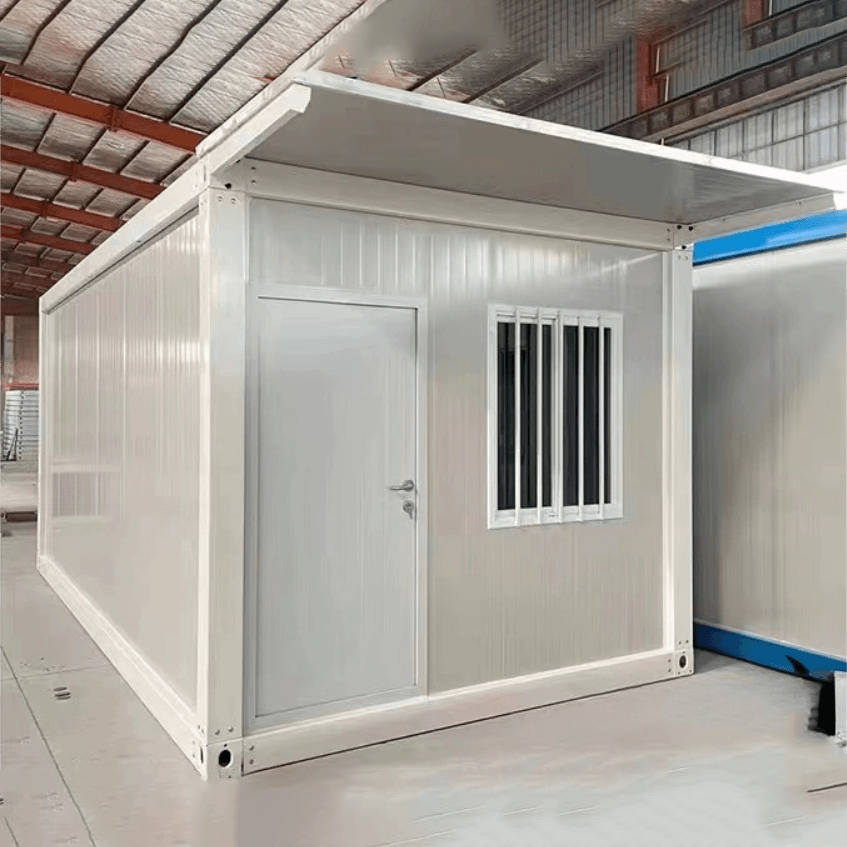
I. Structural and Performance Advantages The main body of Jinchang container houses is welded from high-strength steel, ensuring structural stability and strong resistance to earthquakes and deformation. It can adapt to frequent relocation or complex environments. With strict sealing processes, these houses offer excellent air and water tightness, effectively preventing leakage and moisture, and ensuring long-term safety in use. In terms of materials, sandwich panels (such as rock wool, glass wool, or polyurethane) are commonly used, providing both thermal insulation and fire resistance. Some products undergo fire-resistant coating and anti-corrosion treatment to further extend their service life. Additionally, the modular design supports rapid assembly and combination, allowing for flexible construction of various functional spaces such as office areas, dormitories, and warehouses, suitable for scenarios like temporary construction site buildings and emergency housing.
II. Cost-Effectiveness and Environmental Friendliness Container houses are relatively low-cost. Taking a 6-meter standard container as an example, the purchase price is around 10,000 yuan, and the daily rental price starts at 6 yuan, much lower than traditional buildings. Their short construction period reduces on-site wet operations and construction waste, with high material recycling rates, aligning with the concept of low-carbon environmental protection. Some products integrate solar power supply and sewage treatment systems, achieving energy recycling and making them suitable for remote areas or temporary projects.
III. Applicable Scenarios and Limitations
- Applicable Scenarios: Short-term projects (such as construction site dormitories and temporary offices), emergency shelter (such as earthquake relief), cultural and tourism projects (such as homestays and cafes), etc.
- Limitations: Low-end products may have insufficient thermal insulation performance, so it is necessary to choose products that meet quality standards (priced around 11,000 to 16,000 yuan). The sound insulation effect of metal materials is relatively poor and requires additional treatment. Long-term exposure to humid environments may cause rust, necessitating regular maintenance.
IV. Selection Recommendations
- Prioritize manufacturers with steel structure processing qualifications, meeting fire resistance standards, and supporting customization.
- Determine configurations based on the usage environment, such as strengthening fire-resistant coating in high-temperature areas and anti-corrosion treatment in humid areas.
- Pay attention to the manufacturer's service scope to ensure they can provide on-site installation, trial assembly, and after-sales maintenance.



