
Quay lại blog
Bài viết
Jiangxi Mobile Smart Toilet Installation
Quản trị 13 tháng 10, 2026
The installation process of Jiangxi mobile smart toilets mainly includes four stages: preliminary preparation, transportation and unloading, installation and commissioning, and on-site acceptance and delivery. The specific steps and precautions are as follows:
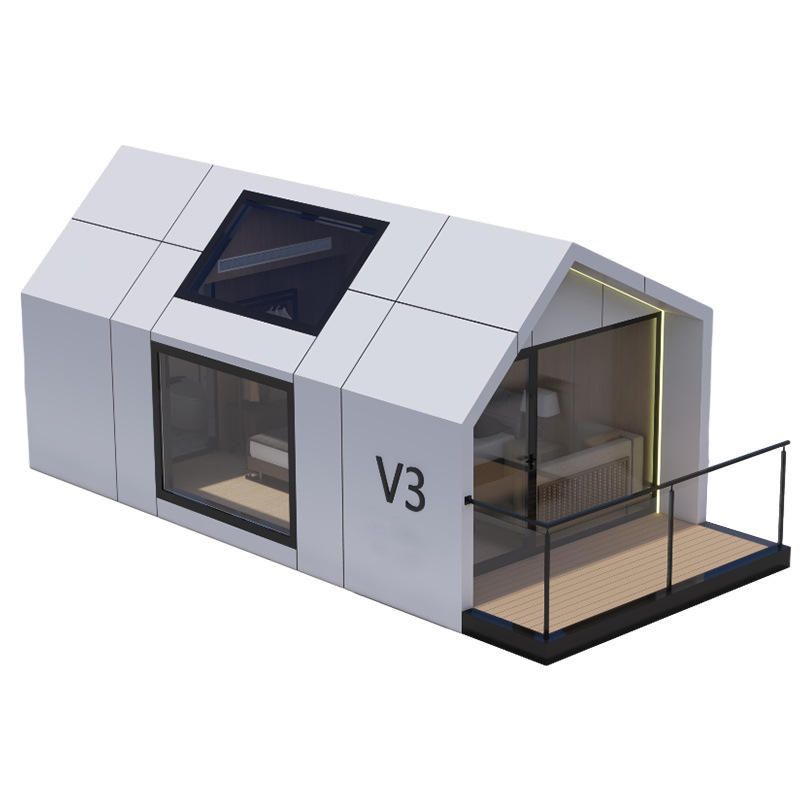
I. Preliminary Preparation
- Site Selection and Confirmation
Select an area that is flat, has convenient drainage, and is far from water source pollution to ensure harmony with the surrounding environment. Check the firmness of the ground. If it is soft ground (such as mud or sand), lay wooden planks or gravel in advance to enhance load-bearing capacity; at the same time, clear obstacles to ensure unobstructed access for the mobile toilet. - Approval Procedures
When installing in public places (such as scenic spots or squares) or areas that require temporary occupation of public space, apply for a temporary facility permit from relevant departments to avoid demolition or fines due to illegal installation. - Tool and Material Preparation
Prepare tools according to the type of toilet (such as single-unit or connected-unit), including impact drills, screwdrivers, wrenches, etc.; materials should include expansion screws, sealing rings, glass glue, cement mortar (for sealing sewage pipes), etc. For eco-friendly toilets, fecal tanks or collection buckets should also be prepared in advance.
II. Transportation and Unloading
- Transportation Fixation
Use dedicated vehicles for transportation. Before transportation, bind the toilet body to the vehicle compartment with ropes or fixing brackets to prevent deformation of the box body or detachment of components due to shaking during transportation. - On-site Unloading
After arriving at the installation site, confirm the load-bearing capacity of the ground (such as concrete or asphalt ground can be unloaded directly, while muddy ground requires laying steel plates). When using forklifts or manual handling, keep the toilet level to avoid misalignment of internal pipes or cracking of the box body due to tilting.
III. Installation and Commissioning
- Foundation Fixation
Place the toilet steadily at the predetermined position, fix it to the ground with expansion screws through the reserved holes at the bottom, or use counterweights (such as concrete blocks) to press the bottom of the box body to prevent displacement in windy weather. - Sewage Pipe Connection
Select the drainage method according to the site conditions: if connecting to the municipal sewer, use PVC pipes to connect the toilet sewage outlet to the sewer and install sealing rings at the joints; if using a collection bucket, ensure that the end of the sewage pipe is inserted into the bucket and apply glass glue or cement mortar around the pipe mouth for sealing to prevent leakage. - Water and Electricity System Inspection
Connect the temporary power supply or start the generator to test whether electrical appliances such as lighting, flushing systems, and exhaust fans are working properly; for waterless eco-friendly toilets, check whether the capacity of the fecal tank meets usage requirements and confirm the operating status of the deodorization device. - Detail and Function Commissioning
Check whether the door locks, doors and windows, and ventilation openings are intact, and replenish consumables such as toilet paper and hand sanitizer; conduct flushing tests (observe whether the water flow is smooth and whether the sewage is thoroughly discharged) and sewage discharge tests (check whether the collection bucket or sewer is blocked) to ensure all functions are normal.
IV. On-site Acceptance and Delivery
- Customer Self-inspection
After the installation team completes the installation, the customer needs to inspect the appearance (no scratches or deformation), function (flushing, sewage discharge, lighting), and hygiene (internal cleanliness, no odor) of the toilet on site and sign for acceptance after confirmation. - Cleaning and Disinfection
Use professional disinfectants to thoroughly clean the interior of the toilet (toilet, floor, walls) to ensure compliance with hygiene standards before delivery for use.
V. Precautions
- Long-term Use Recommendations: If long-term use is required, prioritize choosing a regular leasing company to ensure after-sales services such as equipment maintenance and fault repairs.
- Clear Contract Terms: When signing the contract, specify the installation time, usage period, dismantling responsibilities, and cost details (such as transportation fees, installation fees, damage compensation, etc.) to avoid later disputes.



