
Is the Prefabricated Panel House Safe?
There are significant safety issues with prefabricated panel houses, but they cannot be generalized and need to be judged based on the actual situation of the house.
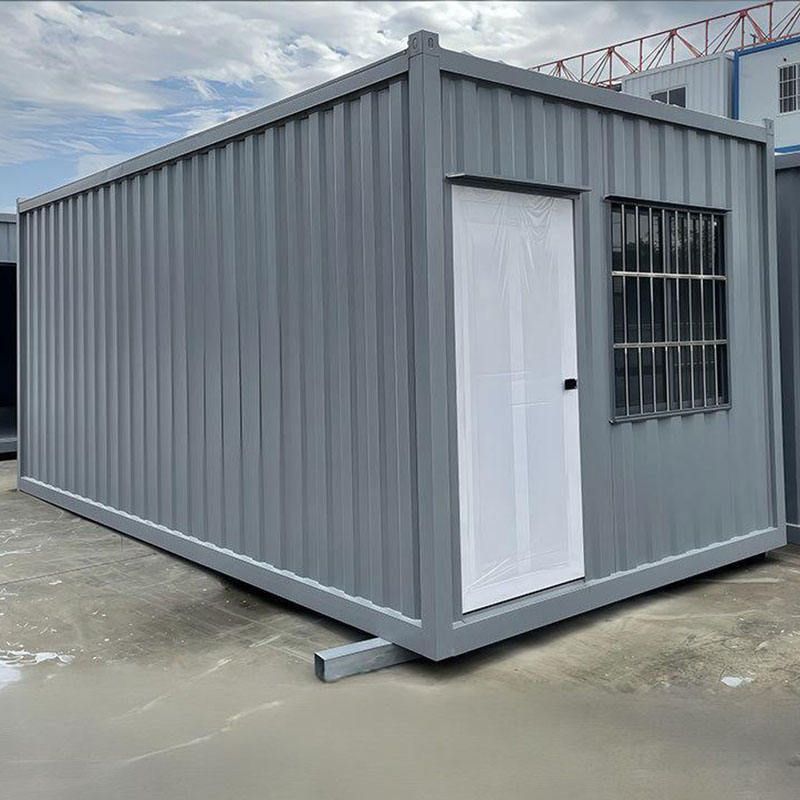
In general, prefabricated panel houses have many safety hazards:
- Poor earthquake resistance: Prefabricated panel houses are assembled from prefabricated panels, lacking overall firmness and toughness. They adopt a hollow design, and the quantity and distribution of steel bars are not as scientific and reasonable as those in cast-in-place houses. In the event of an earthquake, even slight vibrations can loosen the joints between the floor slabs. Over time, cracks in the house will increase and widen, which may eventually lead to the collapse of the entire building.
- Short service life: The designed service life of prefabricated panel houses is about 30 to 50 years. Most of them were built between the 1970s and 1990s. Many are approaching or have exceeded their intended service lives, showing signs of aging. A significant number have been identified as "dilapidated houses," and they are difficult and costly to repair.
- Wall cracks and easy water leakage: Over time, prefabricated panel houses are prone to problems such as wall cracks and ceiling water seepage. The originally sturdy structure becomes precarious, seriously affecting living safety.
- Poor thermal insulation: The thermal insulation performance of prefabricated panel buildings is not good, being hot in summer and cold in winter. In extreme weather conditions, cold or hot air can easily seep in through gaps in the walls and edges of doors and windows, affecting living comfort.
- Poor sound insulation: Many residents report that they can clearly hear their neighbors' voices, which affects their quality of life.
However, the safety of a house cannot be judged solely based on its construction method. The "15th Five-Year Plan for Urban Renewal" issued by the State Council clearly divides houses into four grades (A, B, C, and D) through safety appraisals. Grade A indicates a structurally safe house, Grade B means that individual components are dangerous but do not affect the main structure, Grade C represents a partially dilapidated house, and Grade D denotes an overall dilapidated house. Some well-maintained prefabricated panel buildings may be rated as Grade B after appraisal, while some houses may become Grade C due to unauthorized modifications to load-bearing structures. Therefore, for the safety of prefabricated panel houses, a safety appraisal by a professional institution is required, and corresponding measures such as reinforcement, renovation, or demolition and reconstruction should be taken based on the appraisal results.



