
Is the Finished Prefabricated House Sturdy?
The overall sturdiness of finished prefabricated houses is generally reliable, but it needs to be comprehensively evaluated based on specific types, production processes, and construction specifications.
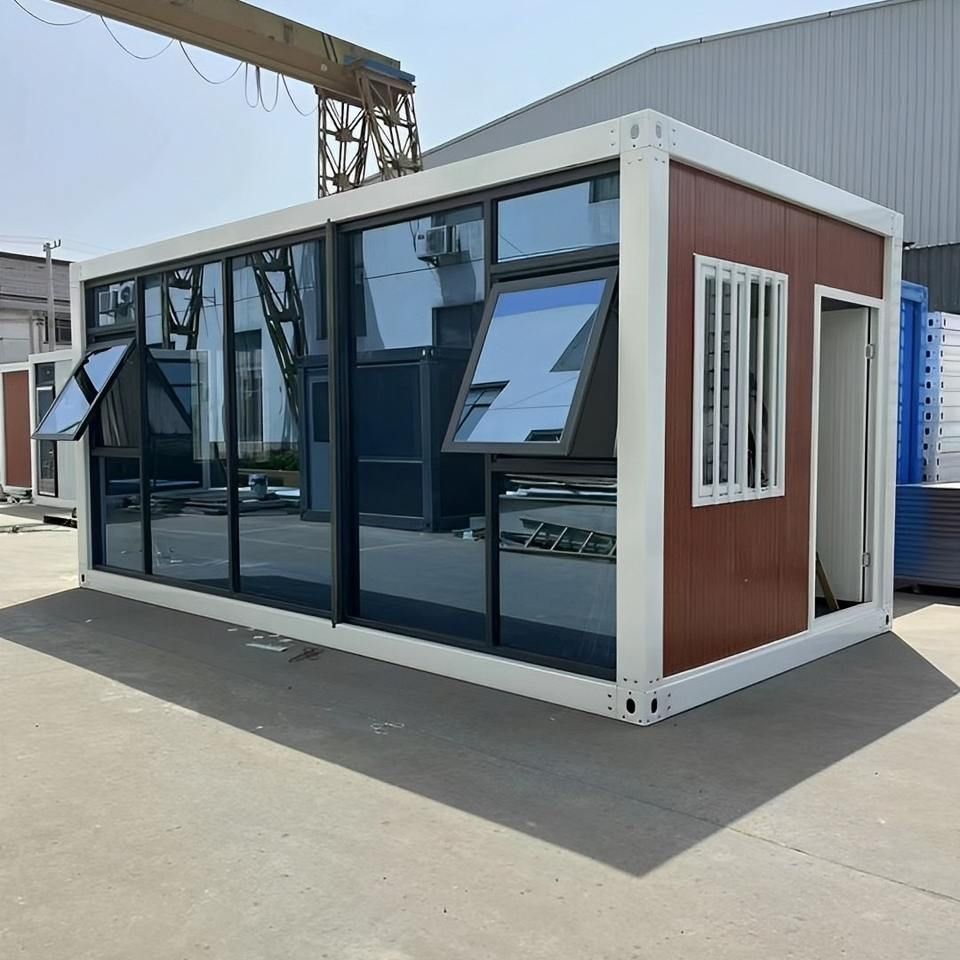
1. The structural safety of regular assembled concrete houses is essentially the same as that of traditional houses Regular assembled concrete houses are cast in one piece using C30 high-strength concrete, with a national standard threaded steel skeleton inside. A complete force-bearing system is formed through precision steel molds. Their structural safety factor is comparable to that of traditional cast-in-place houses. Moreover, factory-standardized production keeps dimensional errors within millimeters. Concrete curing is carried out in a constant-temperature and constant-humidity environment, resulting in better quality stability than on-site construction. For example, parameters such as wall thickness and steel bar ratios are strictly calculated to meet long-term load-bearing requirements.
2. Seismic performance is closely related to the construction era Early prefabricated panel houses (such as those before the 1980s) had relatively low design standards, with a seismic resistance of only 6 degrees. Newly built prefabricated houses, however, can have their seismic performance improved to 7 degrees by optimizing structural design and connection methods. Nevertheless, it should be noted that their overall integrity is still slightly lower than that of reinforced cast-in-place houses, and there may be a risk of local damage under extreme earthquake conditions. Therefore, in earthquake-prone areas, cast-in-place structures should be preferred or the seismic measures of prefabricated houses should be strengthened.
3. Connection methods are key factors affecting durability If the module connections of prefabricated houses are not properly handled (such as aging of sealants and loosening of bolts), problems like cracking and water leakage may occur. However, traditional brick-and-concrete houses also have similar defects. For example, it is not uncommon to see wall peeling and bathroom water leakage after three years of residence. Regular manufacturers can significantly reduce such risks by using high-strength connectors and waterproof sealing technologies to ensure the long-term performance of the houses.
4. Construction specifications and foundation conditions determine the final safety Even if the materials and design meet the standards, if the construction process does not strictly follow the specifications (such as not reinforcing connection nodes and improper foundation treatment), it will still affect the sturdiness of the house. In addition, soft soil foundations require special treatment (such as piling and replacement filling); otherwise, structural damage may occur due to uneven settlement. Therefore, it is crucial to choose a regular manufacturer and ensure that the construction team has professional qualifications.
Summary: Prefabricated houses produced by regular manufacturers, constructed in accordance with specifications, and with proper foundation treatment can fully meet the requirements for long-term safe use. Their advantages lie in the quality controllability of factory production and the flexibility of being able to be lifted and relocated as a whole when necessary. However, it is necessary to avoid blindly pursuing low costs while neglecting key aspects.



