
Is Prefabricated Panel Good for Housing?
Using prefabricated panels for housing is not good. The main reasons are as follows:
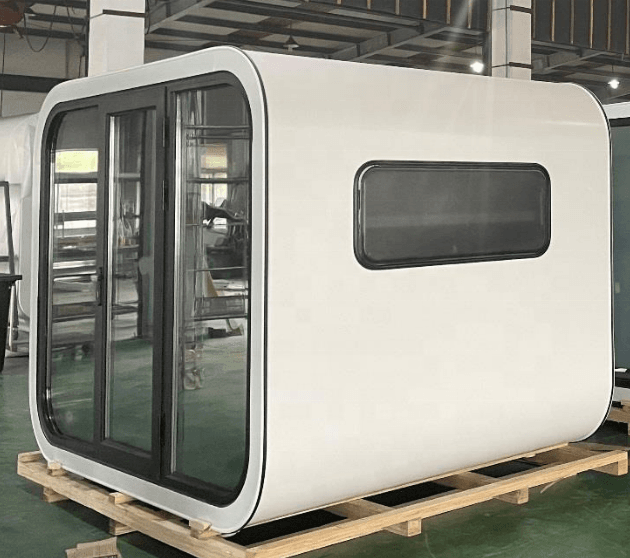
I. Poor overall performance, prone to cracking and water leakage Prefabricated panels are manufactured in factories and then transported to the site for assembly, resulting in joints between panels. Although cement mortar is used to fill these joints during construction, factors such as material shrinkage, temperature changes, or foundation settlement can lead to a high probability of joint cracking and water leakage. Additionally, the ends of prefabricated panels are simply placed on walls, and even with ring beams and anchoring measures, their overall load-bearing capacity is significantly weaker than that of cast-in-place slabs. Cast-in-place slabs are poured as a whole with steel reinforcement and concrete, allowing for better load distribution, whereas prefabricated panels are prone to fracture due to stress concentration under local loads.
II. Insufficient earthquake resistance, sound insulation, and thermal insulation performance The structure of prefabricated panels is of an “assembled” design, with limited strength at the connection points between panels and between panels and walls. Under seismic action, these connection points are prone to detachment or damage, leading to the collapse of the entire structure. Studies have shown that the earthquake resistance of prefabricated panel buildings is almost negligible, especially in high-rise buildings or earthquake-prone areas where the risk is higher. Meanwhile, prefabricated panels are usually thin (mostly 10-15 cm thick) and lack internal insulation layers, resulting in poor sound insulation (with a sound insulation level of about 30-40 decibels) and weak thermal insulation (with a high thermal conductivity coefficient), making it difficult to meet modern building requirements for comfort.
III. Short service life and potential safety hazards The main materials of prefabricated panels are ordinary concrete and steel reinforcement, which are prone to corrosion and a decrease in load-bearing capacity when exposed to a humid environment for a long time. Their designed service life is typically 30-50 years, much shorter than the over 70 years for cast-in-place slabs. Some early-built prefabricated panel houses have already shown problems such as wall cracking and floor subsidence, and some regions have even initiated special demolition projects. In addition, there are instances of shoddy workmanship and material substitution in prefabricated panels, such as insufficient concrete strength and undersized steel reinforcement diameters, further exacerbating their brittleness and risk of fracture.
In conclusion, due to structural defects and performance limitations, prefabricated panels have gradually been replaced by cast-in-place slabs or new types of prefabricated building technologies and are not recommended for continued use in residential construction.



