
Is It Good to Place Containers on the Roof of a House?
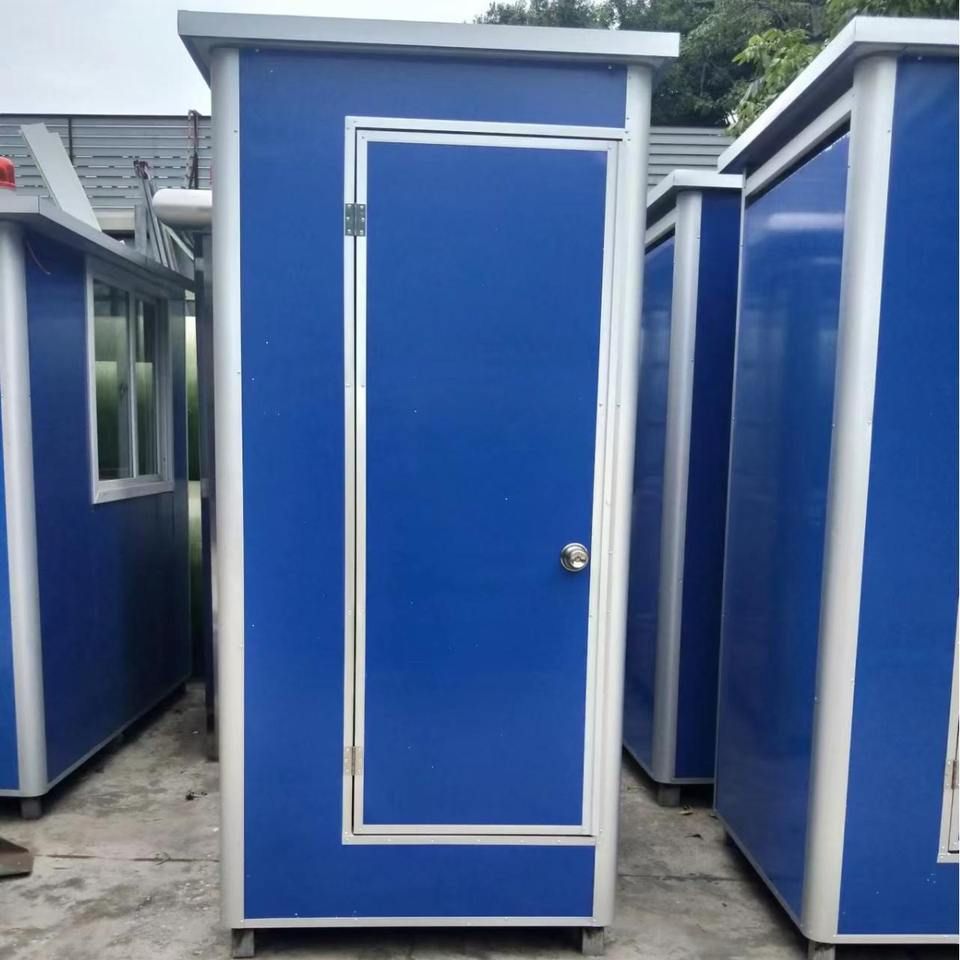
Caution is advised when placing containers on the roof of a house, as it is generally considered an illegal construction act, though it may be legal under specific conditions.
Legal Aspect
According to relevant urban and rural planning management regulations, external structures or attachments to buildings, including containers, must obtain prior approval or permits from planning, housing construction, and other relevant departments. Placing containers without approval violates laws and regulations and constitutes illegal construction. Illegal construction refers to the construction of houses and facilities in areas outside the planning zone without obtaining a proposed construction project planning permit (including site selection and construction opinions) in violation of relevant laws and regulations.
Safety and Structural Issues
The roof structure design must meet the building's own weight and expected load. Placing heavy containers may exert additional pressure on the roof structure, posing safety hazards. It is essential to ensure that the roof structure can bear the weight of the container and meet all safety standards; otherwise, even with approval, it may still be considered illegal construction due to safety concerns.
Special Circumstances
In the event of natural disasters or other emergencies, containers may need to be temporarily placed on the roof as emergency facilities. In such cases, relevant procedures should be promptly completed, or the containers should be removed after the emergency situation ends to avoid being classified as illegal construction. Some argue that if container houses are primarily used for temporary storage of agricultural supplies and tools, they can be regarded as watchtowers for farmland and orchards. If they do not damage the arable layer, have no water or electricity supply inside, and do not undergo traditional ground construction, and do not occupy land quotas, they are generally not considered illegal construction. However, when placing them, it is important to avoid hardening the ground or constructing permanent foundations and not to use them for business or residential purposes to prevent being classified as a "substantial change in land use." It is also advisable to consult relevant departments beforehand and follow the prescribed procedures.
Common Handling Methods
- Consult local planning and construction departments to determine if placement is allowed.
- Hire a professional agency to assess the roof's load-bearing capacity.
- Ensure that placement does not affect building safety or the rights of others.
- If assessment results indicate that placement is feasible, communicate with property management or relevant departments to obtain necessary permits.
- During placement, ensure that the rights of neighboring residents, such as sunlight and ventilation, are not affected to avoid disputes.
- Regularly inspect the condition of the container and roof, and promptly address any abnormalities to ensure safety.



