
Is Container House Safe?
Container houses are safe under compliant design and usage conditions, but their safety is influenced by multiple factors such as material quality, structural reinforcement, fire prevention measures, and usage environment. The following is an analysis from different dimensions:
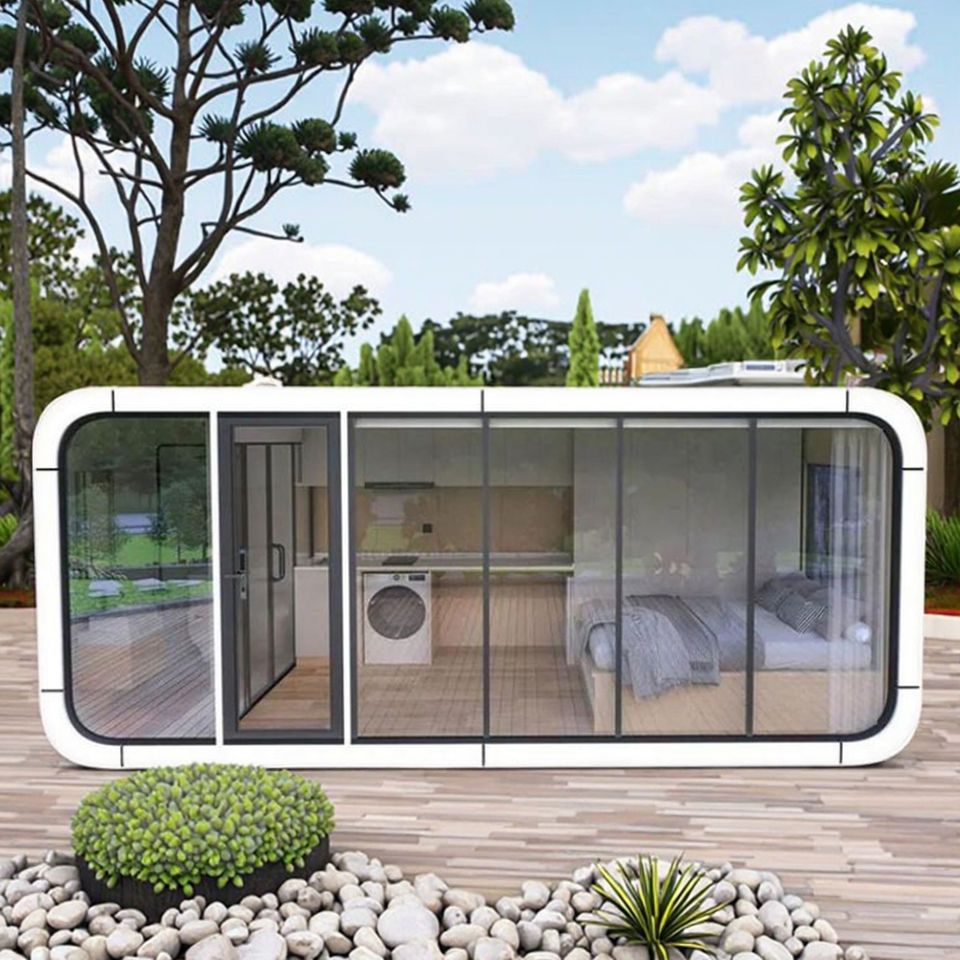
1. Structural Safety: Meeting Wind and Earthquake Resistance Standards
Compliant container houses use high-strength steel frames and professional reinforcement designs to effectively withstand natural disasters. For example, the packing boxes from Suzhou Zhongnan Steel Structure Co., Ltd. showed a frame deformation rate of only 0.18% under simulated extreme conditions of a Category 12 typhoon and a magnitude 8 earthquake, well below the industry's acceptable threshold of 0.3%. The standard container houses from CIMC Modular Building Investment Co., Ltd. have a wind resistance rating of Category 11 and an earthquake resistance rating of magnitude 7. Additionally, the modular structure of containers, connected through welding or bolts, ensures overall stability. In earthquakes, the lightweight steel structure can reduce damage through ductile deformation, minimizing casualty risks.
2. Fire Performance: Strict Material Selection and Facility Configuration Required
The fire hazards in container houses mainly stem from the core materials of the panels and electrical wiring. If flammable materials such as polyurethane or polystyrene are used to fill the panel cores, they have low ignition points and burn rapidly, easily spreading fires. In contrast, fire-resistant materials like rock wool can significantly enhance fire performance. Additionally, electrical wiring must be installed in compliance with regulations to avoid short circuits or unauthorized connections. For instance, a fire in a container house in Langfang City in 2020 was caused by a fault in the electrical switchboard wiring that ignited nearby weeds. Compliant products must be equipped with fire-resistant coatings, smoke detectors, and emergency evacuation routes, and pass third-party fire safety inspections.
3. Usage Environment and Maintenance: Affecting Long-Term Safety
The durability of container houses depends on regular maintenance and environmental adaptation. In humid or salt-spray environments, steel is prone to corrosion and requires anti-rust paint, galvanization, or the use of aluminum alloy materials to extend its lifespan. In high-temperature areas, enhanced thermal insulation measures (such as increasing the thickness of rock wool panels) are necessary to prevent excessive indoor temperatures from causing structural deformation. Moreover, avoiding unauthorized modifications (such as occupying evacuation routes or installing high-power electrical appliances) is crucial for ensuring safety. During a rectification campaign in Danbei Town, Danyang City, unauthorized residential containers were found to commonly have flammable sandwich panels and unauthorized electrical wiring, posing high risks of fire or electric shock.
4. Compliance: Choosing Qualified Products and Suppliers
Non-standard, unbranded container houses pose serious safety risks due to inferior materials and rough craftsmanship. For example, in simulated tests, non-standard products showed frame deformation rates exceeding 1.2%, with wall cracks and frame tilting under typhoon conditions, and rework costs up to 3.2 times higher than compliant products. When purchasing, it is essential to verify the supplier's wind and earthquake resistance test reports, fire safety certifications, and construction qualifications to avoid choosing unguaranteed products due to low prices.



