
Is a Container House Movable Property?
In legal terms, container houses are classified as movable property, but in judicial practice, they may be recognized as having the attributes of a house.
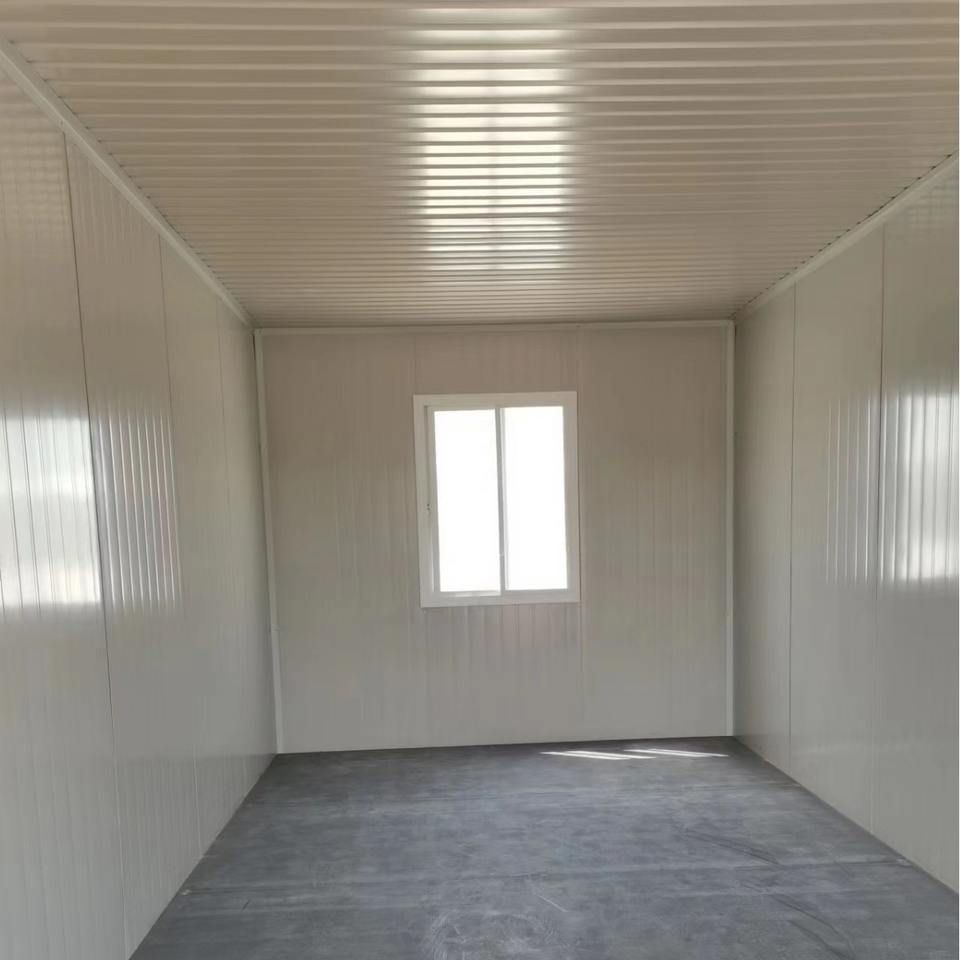
Legal Nature: Movable Property
Container houses are manufactured in factories and installed on-site, requiring no complex foundation work and only a flat surface for placement. Their greatest characteristic is mobility. Essentially, they are containers for transporting goods, designed for transportation purposes, and do not fall under the traditional category of real estate. Although the law does not explicitly define them, based on their mobility, container houses are classified as movable property.
Judicial Practice: Downplaying Mobility, Recognized as 'Houses'
In judicial practice, due to their residential and office functions, courts generally avoid or downplay the mobility of container houses and tend to recognize them as 'houses' with general housing attributes. For example, in the case of Frankie (Shanghai) Technology Co., Ltd. vs. Shanghai Wisdom Bay Investment Management Co., Ltd. regarding a house lease contract dispute, the court held that the construction structure, floor area, and rental purpose of the container in question already possessed the general attributes of a house, and thus the contract was essentially a house lease contract.
Legal Application: Referencing House Lease Regulations
When dealing with issues such as rent, contract validity, and decoration losses, courts apply the relevant provisions of the Supreme Court's 'Interpretation on Several Issues Concerning the Specific Application of Laws in the Trial of Urban House Lease Contract Disputes'. This indicates that although container houses are legally classified as movable property, in handling related disputes, judicial practice tends to treat them as houses to protect the rights and interests of the parties involved.



