
Is Container House Illegal
Whether a container house is illegal depends on the situation. If it is used for living or business without approval or after being transformed into a house, and without going through relevant procedures, it is usually considered an illegal building. The specific criteria for determination are as follows:
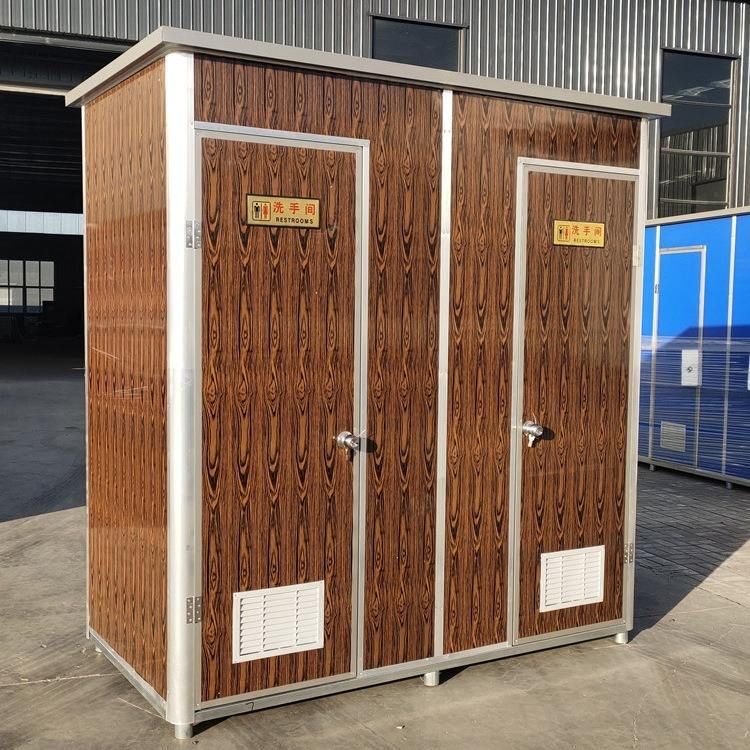
I. Core Basis for Illegal Determination
According to the Urban and Rural Planning Law of the People's Republic of China, buildings without a construction project planning permit or not constructed in accordance with the permitted content are all illegal buildings. Although container houses are mobile, if they are transformed into houses (such as installing doors and windows, air conditioners, water and electricity facilities, etc.) to make them suitable for living or business operations, and without going through planning approval, land use, and other procedures, they are identified as illegal buildings. For example, a restaurant in Jinshan District used a container as an employee dormitory without going through any procedures and was identified as an illegal construction by the law enforcement department.
II. Common Illegal Situations
- Stacking in Public Areas: Placing containers in areas such as roads, farmland, and community public land without obtaining planning permission is illegal occupation of public space. For example, workers at a construction site in Yangpu District placed a container on the sidewalk for living and were ordered to remove it.
- House Transformation: If the interior of a container is renovated to make it suitable for living (such as having water and electricity supply and installing air conditioners) without going through approval procedures, its nature is the same as that of building a house without a permit. For example, a "renovated" container house purchased by a resident in a village in Chongming District was required to be removed due to safety hazards and lack of approval.
- Change of Land Use: Using containers for business activities (such as opening a billiard room or warehouse) or long-term occupation of land resulting in a substantial change in land use is illegal construction. For example, containers in an industrial park in Haicang District were used as a commercial billiard room and were cleared due to lack of approval.
III. Explanation of Special Situations
If containers are only used for temporary storage of agricultural materials and tools, and the ground is not hardened, no permanent foundation is built, and there is no water and electricity supply, they are usually not considered illegal buildings. For example, container guard houses in farmland may be allowed to exist if they do not damage the plow layer and meet temporary use standards. However, it should be noted that specific policies vary by region, and some places may have additional restrictions on the use and placement of containers.
IV. Legal Consequences and Suggestions
Illegal construction of container houses may face penalties such as a deadline for removal and fines, and may even be required to bear the cost of forced removal. It is recommended that before using containers, first consult the local planning and urban management departments about policies, clarify whether approval procedures are required, and use them strictly in accordance with regulations to avoid legal risks.



