
Internet-Famous Container House Design
The design of internet-famous container houses combines grassland culture with modern design concepts, offering unique aesthetic and practical value, with the following specific features:
1. The collision of grassland elements and industrial style
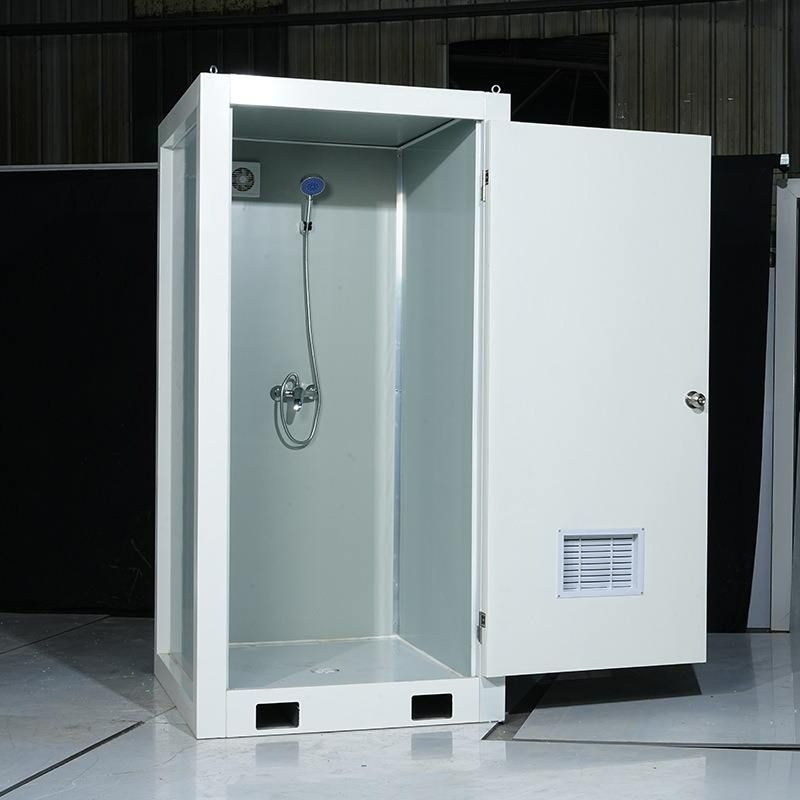
As an industrial product, container houses achieve a style breakthrough by integrating with grassland cultural symbols. For example, the exterior walls adopt blue-sky-and-white-cloud color schemes or brown textures mimicking yurts, paired with traditional elements like wooden fences and Mongolian-style pointed roofs, creating a visual contrast. Internally, modern functions such as smart bathrooms and starry skies ceilings are retained, achieving a layered effect of 'ancient outside and modern inside'. Some designs introduce grassland landscapes into the interior through large transparent glass windows, blurring the boundary between architecture and nature. For instance, the side window design of a scenic-area homestay allows tourists to 'frame' the grassland scenery.
2. Low-cost renovation and environmental protection concepts
Containers are inexpensive and have a short renovation cycle, making them suitable for rapid deployment in grassland areas. Herdsmen often transform them into functional spaces like milk tea houses and small shops, hanging cultural signs such as kumis flags outside and decorating the interiors with wool felt, reducing construction costs while preserving regional characteristics. Additionally, containers can be relocated as a whole, avoiding damage to grassland topography caused by traditional buildings and meeting the environmental protection requirements of 'traceless tourism'. For example, container hotels in desert scenic areas are directly transported away after tourists leave, restoring the site to its original state.
3. Internet-famous attributes and innovative spatial design
The 'niche' and 'design-oriented' nature of containers aligns with the aesthetic preferences of young people. Visual impact is enhanced through graffiti of grassland patterns, neon signs with Mongolian-Chinese bilingual slogans, and Instagram-style decorations, making them popular photo spots. In terms of spatial design, combinations break the limitations of a single container. For example, a residential project uses three containers to create a 138-square-meter indoor space, paired with an equally sized outdoor area. A shaded corridor is formed beneath the suspended containers, and the flat roof is transformed into a terrace, integrating functionality and landscape.
4. Diverse sizes and style creation
Containers come in specifications such as 2.4m × 12.2m standard units and 3.6m × 12.2m widened units, supporting flexible combinations. In terms of style, a modern look can be pursued, such as using RTboard panels, metal exteriors, and weathering steel, retaining the original texture of the containers while giving the building a refined aesthetic. Alternatively, color and material changes can echo the grassland theme, creating a diverse visual experience.



