
Intelligent Mobile Toilets
The intelligence of mobile toilets is primarily reflected in three aspects: functional design, operational experience, and management monitoring, achieving convenience, hygiene, and efficient management through the integration of advanced technologies.
I. Intelligent Functional Design
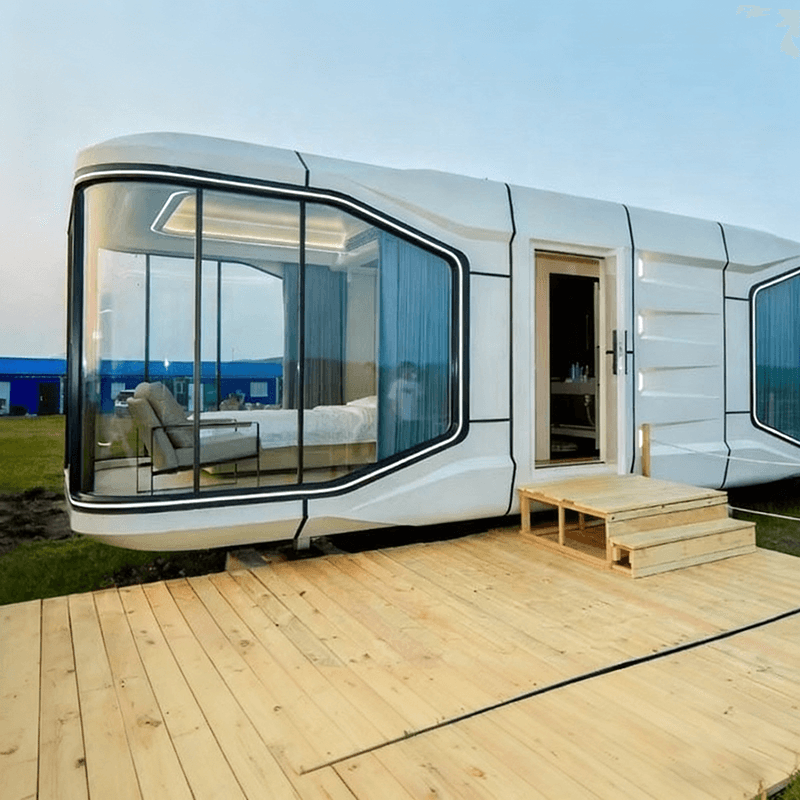
Some intelligent mobile toilets adopt a modular design for easy and quick installation and maintenance. For example, they come with built-in waste collection tanks and utilize a U-shaped apple bin structure, saving space while enhancing structural stability. The exterior walls are made of fluorocarbon-painted aluminum panels, offering both durability and aesthetic appeal. The internal smart system enables automatic lighting (controlled by human body sensors) and touchless handwashing (eliminating the need to manually touch faucets), reducing the risk of contact transmission. Additionally, some products support customization, such as integrating intelligent sensor-based flushing devices that automatically adjust the water volume based on usage, balancing hygiene and water conservation needs.
II. Fully Intelligent Operational Experience
Some high-end models enhance user experience through non-contact interaction technologies. For instance, intelligent mobile toilets with an area of less than 2 square meters can offer features like "wave-to-change seat covers" and "wave-to-replace toilet seats," allowing users to complete hygiene protection operations through gesture control. Instant exhaust systems quickly eliminate odors, maintaining fresh air. Automatic disinfection functions, triggered by human presence or absence, use ultraviolet light or spray devices for timed disinfection, ensuring environmental hygiene. These designs significantly reduce the need for manual intervention, making them particularly suitable for high-traffic public areas.
III. Digital Management and Monitoring
Intelligent mobile toilets enable remote management through IoT technology. For example, built-in IoT monitoring modules can continuously collect data on water and electricity usage, as well as equipment status (such as waste tank capacity and disinfectant levels), and analyze this data through a smart cloud computing platform to generate alerts. When abnormal water or electricity consumption or equipment failures occur, the system sends real-time alerts to management personnel for timely maintenance. Furthermore, water and electricity monitoring functions optimize resource allocation, such as dynamically adjusting lighting duration or flushing intensity based on usage frequency, reducing operational costs.
Summary
The intelligence of mobile toilets, through functional integration, non-contact interaction, and data monitoring, has transformed them from simple sanitary facilities into smart management terminals. Their core value lies in improving public health standards, reducing manual maintenance costs, and adapting to diverse scenarios such as tourist attractions, exhibitions, and emergency rescue operations.



