
Intelligent Mobile Portable Toilet
An intelligent mobile portable toilet is a facility that can be moved as a whole and flexibly set up in fixed or temporary locations to provide public toilet services. It integrates mobile prefabricated building technology with IoT intelligent management systems, featuring mobility, modularity, and ease of transportation.
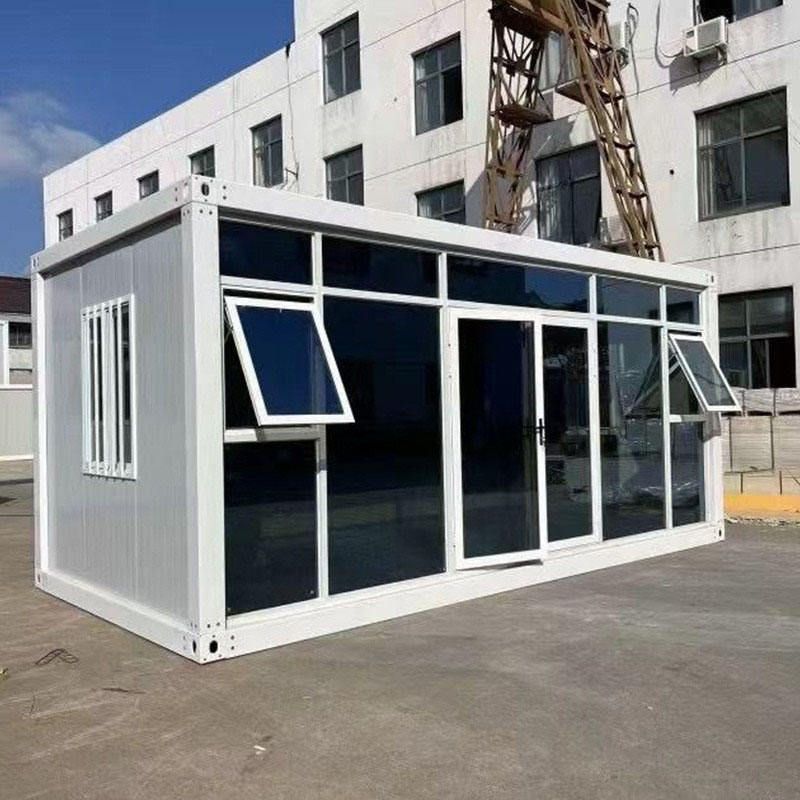
Main Structure and Material Characteristics
The main structure of intelligent mobile portable toilets often employs lightweight steel structures or new composite materials, offering corrosion resistance, fire resistance, and thermal insulation to adapt to outdoor use in various climatic conditions. For example, thermal insulation materials can effectively maintain internal temperatures in cold regions, while anti-corrosion coatings extend facility lifespan in humid or corrosive environments. This design ensures structural stability while reducing long-term maintenance costs.
Functional Modules and Scene Adaptation
Internal functional modules are flexibly configured based on foot traffic and usage scenarios, with common modules including:
- Basic restrooms: Equipped with squat or sit toilets to meet basic toilet needs;
- Baby care rooms: Provide baby changing tables and seating for parents' convenience;
- Universal restrooms: Designed for special groups such as the disabled and elderly, featuring barrier-free facilities;
- Convenience service areas: Integrate charging ports and vending machines to enhance user experience.
For instance, the epidemic-prevention intelligent eco-friendly mobile toilets used during the Winter Olympics featured touchless functions such as wave-to-open doors, seat pad replacement, and flushing, effectively reducing cross-infection risks and demonstrating deep adaptation of technology to public health scenarios.
Intelligent Systems and Energy-Saving Technologies
Intelligent systems cover functions such as face recognition for toilet paper dispensing, automatic sensor flushing, environmental monitoring, foot traffic statistics, and remote fault alarms, improving management efficiency and reducing resource waste. Some products also integrate solar photovoltaic panels or rainwater harvesting systems to further lower operational energy consumption. For example, solar panels can power lighting and sensors, while rainwater harvesting systems are used for flushing or green irrigation, forming a closed-loop ecological design.
Construction and Deployment Advantages
Employing prefabricated construction methods, production to on-site installation typically takes only a few weeks, with minimal impact on the surrounding environment during construction. This model enables rapid response to temporary needs (such as large-scale events or disaster relief) and can also serve as permanent facilities to supplement urban infrastructure gaps. Currently, related products cover various environments such as urban parks, tourist attractions, transportation hubs, commercial districts, and municipal squares, becoming an important component of smart city construction.



